

What is a Bulk Material Loading and Unloading Conveyor? What are its Design Principles?
Welcome to Shandong HeadPowder Engineering Co., Ltd., where we specialize in providing efficient and reliable bulk material handling solutions. This article will explore the concept of a bulk material loading and unloading conveyor, detailing its design principles and operational benefits.
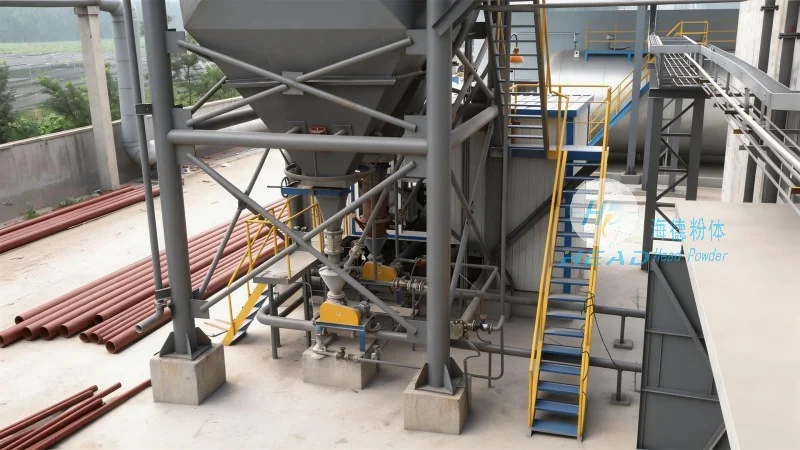
Understanding Bulk Material Loading and Unloading Conveyors
A bulk material loading and unloading conveyor is a specialized piece of equipment designed to transport dry, powdery, or granular materials between different locations, such as from a truck or storage silo to a processing facility. These systems are crucial in industries like food processing, pharmaceuticals, chemicals, and mining, where the efficient transfer of bulk materials is essential for maintaining production efficiency and safety.
Key Design Principles of Bulk Material Conveyors
The design of a bulk material loading and unloading conveyor is based on several critical principles to ensure optimal performance and reliability. These include:
1. Material Handling Efficiency: The conveyor system is engineered to handle a wide range of bulk materials, from fine powders to coarse granules, with minimal degradation or loss. This is achieved through the use of appropriate conveyor components, such as screw conveyors, belt conveyors, or pneumatic systems, which are selected based on the material's properties and the application requirements.
2. Structural Integrity and Durability: The conveyor structure must be robust enough to withstand the weight and impact of the bulk materials being transported. High-quality materials, such as stainless steel or corrosion-resistant alloys, are often used to ensure long-term durability and resistance to wear and tear. This is particularly important in environments where the materials may be abrasive or corrosive.
3. Control and Automation: Modern bulk material conveyors are equipped with advanced control systems that allow for precise control of the material flow rate, speed, and direction. This includes features like variable speed drives, level sensors, and automatic start/stop functions, which enhance operational efficiency and reduce the risk of accidents or material spillage.
4. Safety and Compliance: The design incorporates safety features to protect operators and prevent material leaks or spills. This includes safety guards, emergency stop buttons, and compliance with relevant industry standards and regulations. For example, in food processing applications, the conveyor must meet hygiene standards to prevent contamination of the materials.
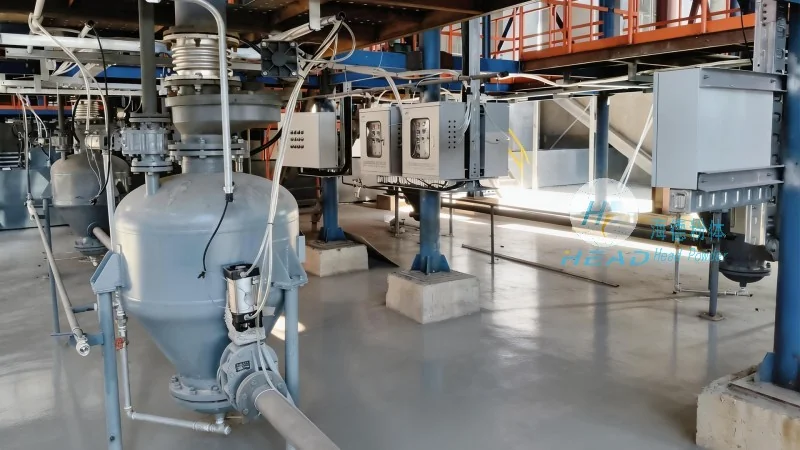
How Bulk Material Conveyors Work
The operation of a bulk material loading and unloading conveyor typically involves several key steps. First, the bulk material is loaded into the system, either from a storage silo or a truck. The material is then conveyed through the system using the selected mechanism, such as a screw or belt, to the desired location. The system may include components like hoppers, chutes, and feeders to control the flow of material and ensure smooth operation.
In a loading application, the conveyor moves the material from the storage area to the truck or other transport vehicle. In an unloading application, the process is reversed, with the material being transferred from the truck or storage to the processing facility. The design of the conveyor, including the type of conveyor and the layout of the system, is tailored to the specific requirements of the application to ensure maximum efficiency and minimal downtime.
Benefits of Using Bulk Material Loading and Unloading Conveyors
Implementing a bulk material loading and unloading conveyor offers several advantages for businesses. These include:
1. Increased Efficiency and Productivity: By automating the material handling process, the conveyor reduces the need for manual labor and minimizes the time required to load or unload vehicles or transfer materials between locations. This leads to increased production efficiency and reduced operational costs.
2. Improved Safety: The automated system reduces the risk of accidents associated with manual handling of bulk materials, such as back injuries or material spills. The safety features incorporated into the design further enhance the safety of the operation.
3. Consistent Material Quality: The conveyor system ensures that the material is handled consistently, preventing segregation or degradation that could affect the quality of the final product. This is particularly important in industries where material consistency is critical, such as food and pharmaceuticals.
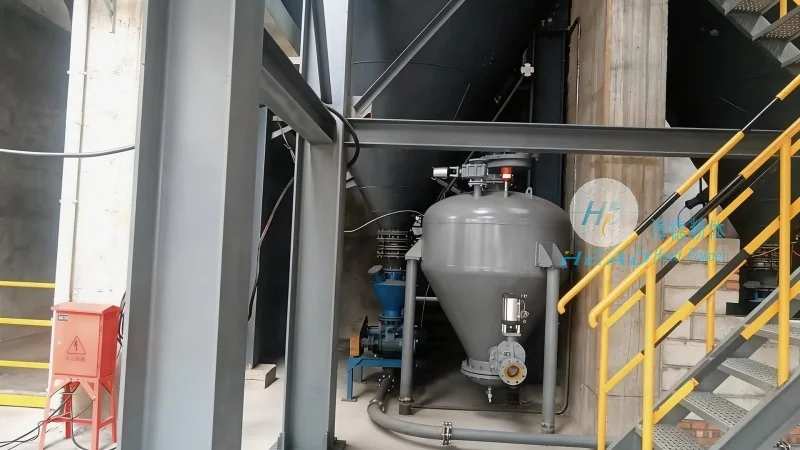
4. Space Optimization: The design of the conveyor system allows for efficient use of space, especially in facilities with limited room for material handling equipment. The compact design of many modern conveyors makes them suitable for installation in tight spaces without compromising performance.
Applications of Bulk Material Conveyors
Bulk material loading and unloading conveyors are used in a wide range of applications across various industries. Some common examples include:
1. Food and Beverage Industry: Conveyors are used to transport ingredients like flour, sugar, and grains from storage to processing lines, as well as to unload finished products from trucks.
2. Pharmaceutical Industry: The conveyor system is used to handle raw materials and finished pharmaceutical products, ensuring that the materials are handled in a sterile and controlled environment.
3. Chemical Industry: Conveyors are used to transport chemicals and other hazardous materials, with safety features designed to prevent leaks or spills.
4. Mining and Minerals Industry: Conveyors are used to transport raw minerals from the mine to processing facilities, often over long distances.
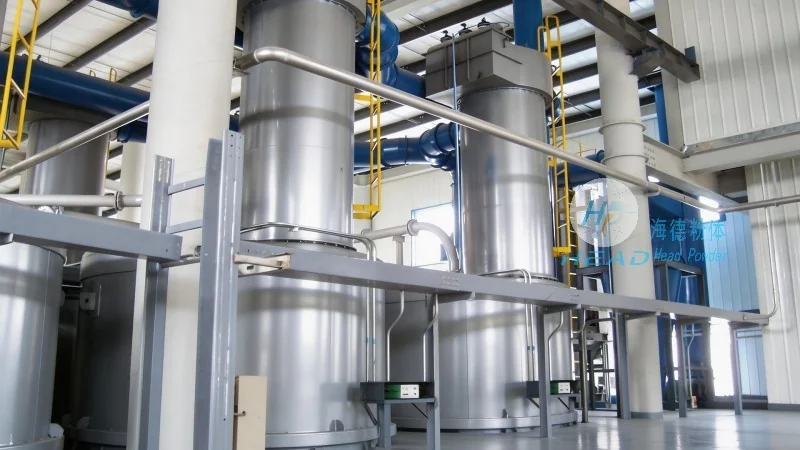
Choosing the Right Bulk Material Conveyor System
When selecting a bulk material loading and unloading conveyor system, several factors should be considered to ensure the best fit for the application. These include:
1. Material Characteristics: The type of material being handled, including its size, shape, density, and flowability, will determine the appropriate conveyor type and design. For example, fine powders may require a pneumatic conveyor system, while coarse granules may be better suited for a screw or belt conveyor.
2. Application Requirements: The specific needs of the application, such as the required material flow rate, distance to be covered, and environmental conditions, will influence the design of the conveyor system.
3. Space Constraints: The available space for the conveyor system will affect the layout and design, with options like vertical or horizontal conveyors being considered based on the available room.
4. Budget and Maintenance: The cost of the system and the maintenance requirements should be considered to ensure that the system is cost-effective and easy to maintain over its lifespan.
Conclusion
Bulk material loading and unloading conveyors are essential equipment for businesses that handle bulk materials, offering efficient, safe, and reliable solutions for material handling. By understanding the design principles and operational benefits of these systems, businesses can make informed decisions when selecting and implementing a conveyor system that meets their specific needs. At Shandong HeadPowder Engineering Co., Ltd., we provide high-quality bulk material handling solutions tailored to the unique requirements of our clients, ensuring optimal performance and long-term reliability.