

What is a Lithium-Ion Battery Positive and Negative Electrode Material Powder Conveying Line? And Wh
For manufacturers in the lithium-ion battery industry, the efficient and safe handling of positive and negative electrode materials is a critical aspect of production. A specialized powder conveying line is designed to address this need, ensuring that raw materials are transported with precision and minimal risk of contamination or loss. Shandong HeadPowder Engineering Co., Ltd., a leading provider of engineering solutions for the battery industry, specializes in designing and manufacturing such systems to meet the stringent requirements of modern battery production.
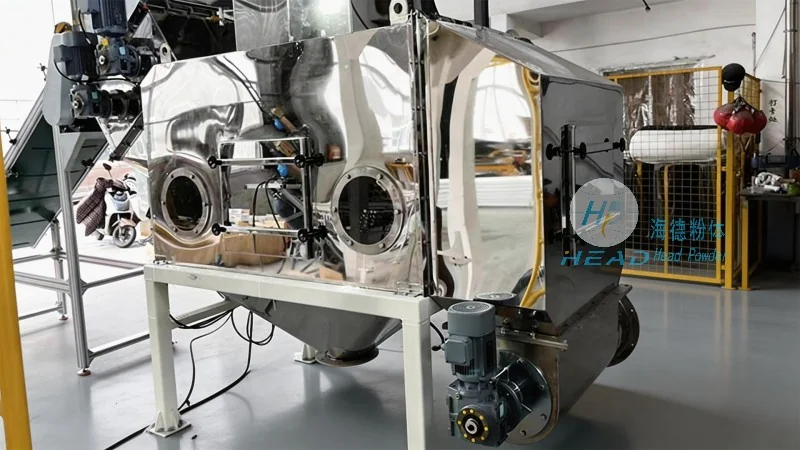
Introduction to Lithium-Ion Battery Electrode Material Powder Conveying Lines
The lithium-ion battery positive and negative electrode material powder conveying line is a sophisticated system engineered to transport fine powders, such as those used in the production of cathode and anode materials. These materials are typically sensitive to moisture, temperature, and contamination, making the design and operation of the conveying line paramount to maintaining material integrity and ensuring consistent battery performance. The system integrates various components, including feeders, conveyors, and control systems, to achieve seamless material flow from raw material storage to the mixing or coating stages of battery production.
Key Components of the Powder Conveying Line
The core components of a lithium-ion battery electrode material powder conveying line include material feeders, pneumatic or mechanical conveyors, dust collection systems, and control panels. Each component plays a vital role in the overall functionality of the system. For instance, feeders are responsible for accurately metering the material flow, ensuring that the correct quantity of powder is introduced into the conveying system. Pneumatic conveyors, often using compressed air, are commonly employed for fine powders due to their ability to handle delicate materials without causing agglomeration or degradation. Mechanical conveyors, such as screw or belt conveyors, may be used for bulkier or less sensitive materials, providing a reliable alternative for certain applications.
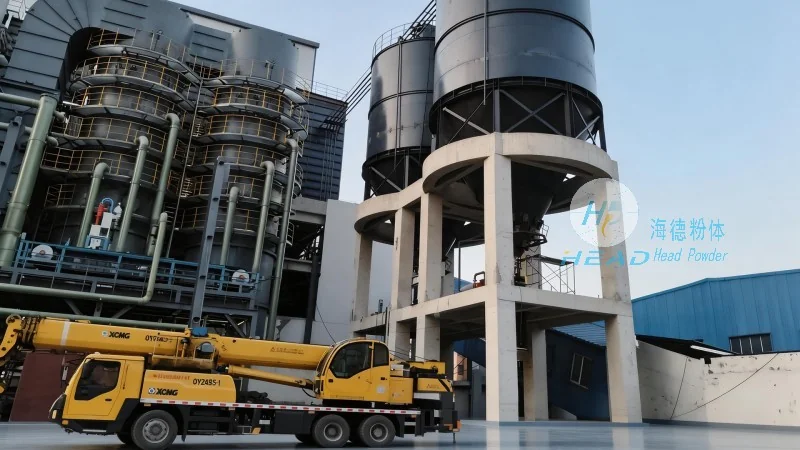
Dust collection systems are integral to maintaining a clean and safe working environment, as fine powders can create airborne particles that pose health risks and affect product quality. These systems typically include filters and cyclones to capture and contain dust, ensuring that the material remains within the controlled environment of the conveying line. Control panels, equipped with sensors and automation technology, monitor the system's performance in real-time, allowing for adjustments to be made to maintain optimal flow rates and material quality.
Design Principles and Operational Efficiency
The design of a lithium-ion battery electrode material powder conveying line is guided by several key principles aimed at maximizing efficiency, safety, and material integrity. One of the primary considerations is the prevention of material degradation, which can occur due to exposure to air, moisture, or mechanical stress. To achieve this, the system is often enclosed and sealed, with minimal points of contact to reduce the risk of contamination. Additionally, the design incorporates features that minimize particle attrition, ensuring that the material's physical properties remain consistent throughout the conveying process.
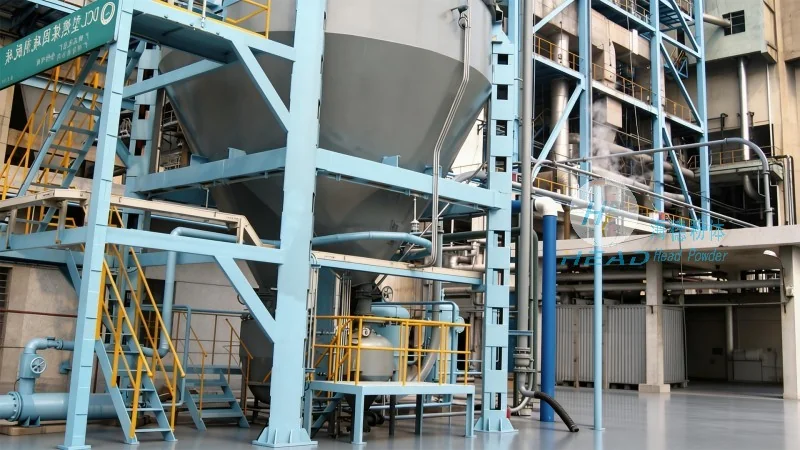
Another critical design principle is the optimization of material flow. This involves selecting the appropriate conveyor type and speed to match the material's characteristics, such as particle size, density, and flowability. For example, cohesive or sticky powders may require special feeders or conveyor designs to prevent blockages and ensure smooth operation. The system also incorporates sensors to detect changes in flow or blockages, triggering alarms or automatic shutdowns to prevent material loss or equipment damage.
Energy efficiency is also a key consideration in the design of the conveying line. By optimizing the air pressure, conveyor speed, and material feed rates, the system can minimize energy consumption while maintaining performance. This not only reduces operational costs but also aligns with the industry's focus on sustainability and environmental responsibility.
Application in Battery Manufacturing
The lithium-ion battery positive and negative electrode material powder conveying line is a critical component in the battery manufacturing process. It facilitates the seamless transfer of raw materials from storage to the mixing or coating stages, where the powders are combined with binders, solvents, and other additives to form the electrode slurry. The efficiency of the conveying line directly impacts the overall production throughput, as delays or inefficiencies in material handling can lead to bottlenecks in downstream processes.
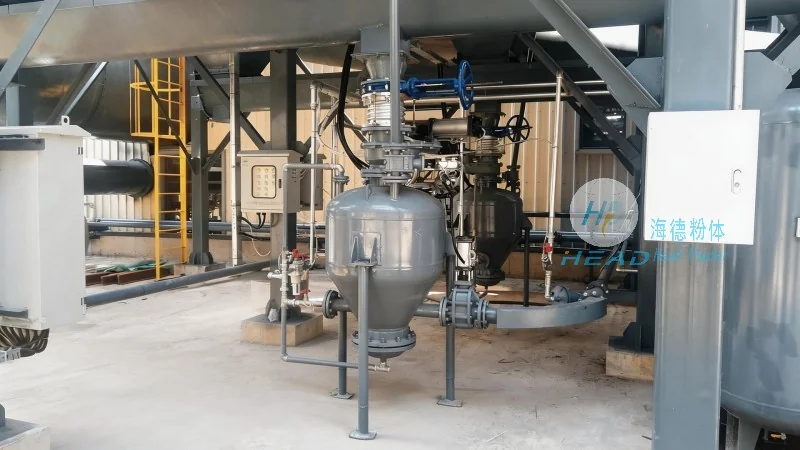
Moreover, the system contributes to the consistency and quality of the final battery product. By ensuring that the electrode materials are handled with precision and minimal exposure to external factors, the conveying line helps maintain uniform particle size distribution and chemical composition, which are essential for achieving the desired battery performance, such as capacity, voltage, and cycle life.
Conclusion
In summary, the lithium-ion battery positive and negative electrode material powder conveying line is a sophisticated and essential system for manufacturers in the lithium-ion battery industry. Its design, incorporating specialized components and adherence to key principles, ensures the efficient, safe, and reliable handling of electrode materials. By minimizing material degradation, optimizing flow, and enhancing operational efficiency, this system plays a crucial role in the production of high-quality lithium-ion batteries. As the demand for lithium-ion batteries continues to grow, the importance of such specialized equipment in maintaining production standards and meeting market demands cannot be overstated.