

What is a Rice Husk Ash Pneumatic Conveying System Equipment? And What Are Its Design Principles?
For industries dealing with rice husk ash, efficient material handling is crucial. A pneumatic conveying system designed specifically for rice husk ash offers a solution that enhances productivity and ensures safe transport. This article explores the equipment used for rice husk ash pneumatic conveying and delves into the underlying design principles that make such systems effective.
Introduction to Rice Husk Ash Pneumatic Conveying Systems
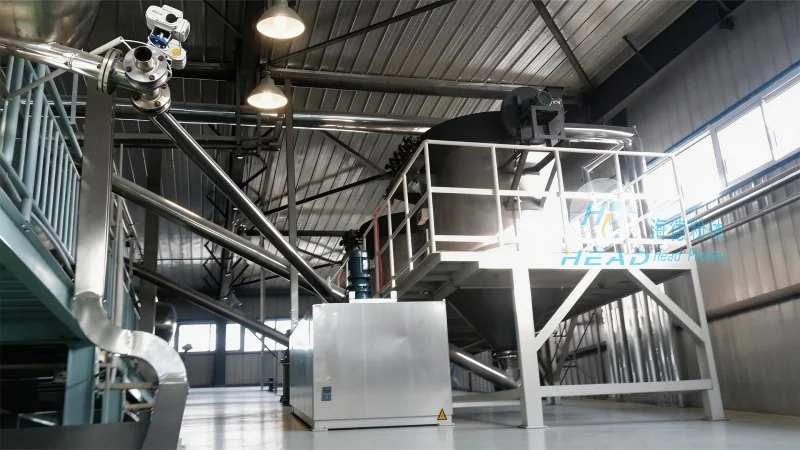
Rice husk ash, a byproduct of rice processing, is often used in construction and other industrial applications. Handling this material requires specialized equipment to manage its unique properties, such as low bulk density and potential dust generation. A pneumatic conveying system provides an enclosed, dust-free method for transporting rice husk ash from one location to another, improving safety and operational efficiency.
Key Components of the Pneumatic Conveying System
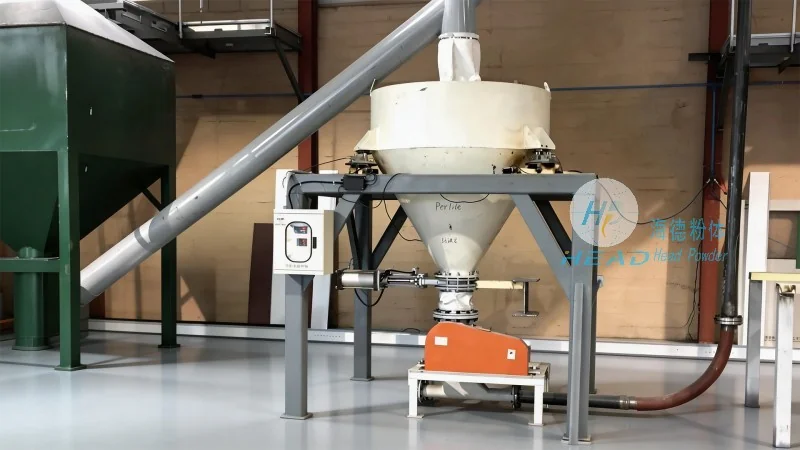
The rice husk ash pneumatic conveying system typically consists of several key components that work together to facilitate material transport. These include a hopper for material storage, a feeder to control the flow rate, a conveying pipeline, a dust collector to capture airborne particles, and a receiver for the discharged material. Each component plays a vital role in ensuring the system operates smoothly and efficiently.
Design Principles for Efficient Rice Husk Ash Conveying
The design of a rice husk ash pneumatic conveying system is based on several critical principles to maximize performance and minimize operational issues. One of the primary principles is maintaining a consistent air flow rate, which is essential for achieving reliable material transport. The system must also account for the specific characteristics of rice husk ash, such as its low bulk density and tendency to create dust, by incorporating appropriate filtration and separation mechanisms.
How the System Works: The Pneumatic Conveying Process
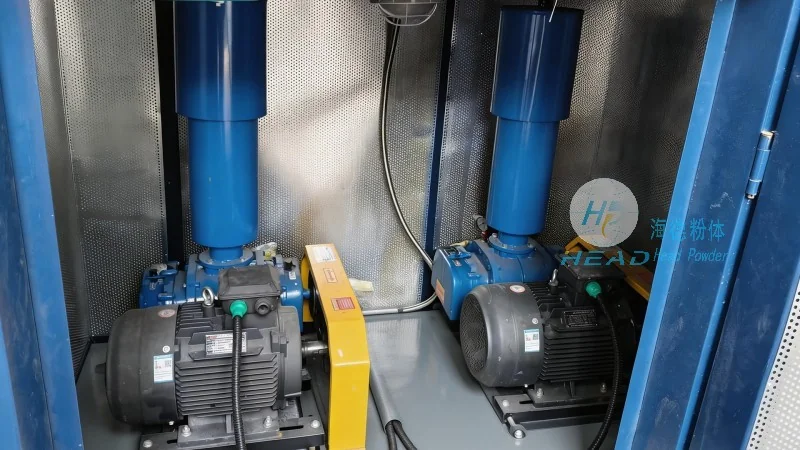
The operation of a rice husk ash pneumatic conveying system involves several steps. First, the rice husk ash is fed into the hopper from the source. The feeder then controls the discharge rate, ensuring a steady flow into the conveying pipeline. Compressed air is introduced into the pipeline, creating a flow that lifts and transports the material through the system. The material is then deposited into the receiver at the destination point. The system may also include a dust collector to capture any particles that escape during the process, ensuring compliance with environmental regulations and maintaining a clean working environment.
Advantages of Using a Pneumatic Conveying System for Rice Husk Ash
Implementing a pneumatic conveying system for rice husk ash offers numerous advantages over traditional methods like belt conveyors or bucket elevators. One significant benefit is the enclosed system, which prevents dust from spreading and reduces the risk of inhalation by workers. Additionally, pneumatic conveying systems can handle materials with varying properties, including those that are abrasive or have a tendency to clump. The system also allows for flexible routing, enabling material to be transported to multiple destinations from a single source. Furthermore, these systems are generally more energy-efficient compared to mechanical conveyors, leading to lower operational costs over time.
Customization and Scalability of the System
Companies like Shandong HeadPowder Engineering Co., Ltd. understand that each industrial application has unique requirements. Therefore, they offer customized pneumatic conveying systems tailored to the specific needs of their clients. The systems can be scaled to handle different volumes of rice husk ash, from small-scale operations to large industrial facilities. Customization may include adjustments to the hopper size, feeder type, pipeline diameter, and air pressure to ensure optimal performance. This flexibility allows businesses to invest in a system that meets their current and future material handling needs.
Maintenance and Operational Considerations
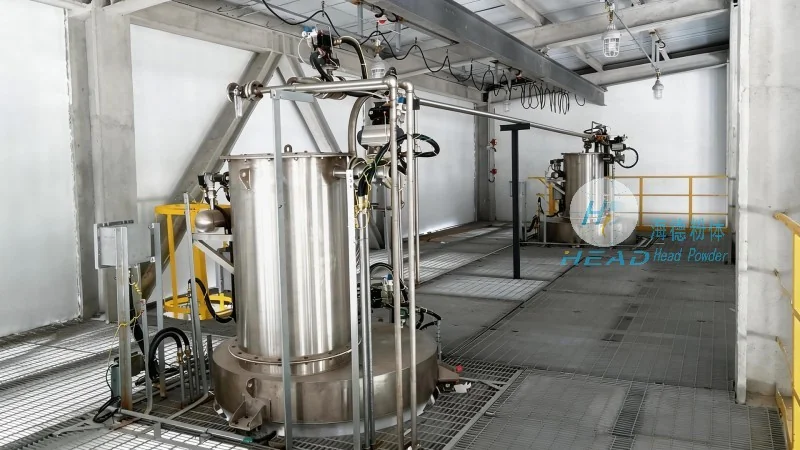
To ensure the long-term reliability and efficiency of a rice husk ash pneumatic conveying system, proper maintenance is essential. Regular cleaning of the hopper, feeder, and pipeline is necessary to prevent material buildup and blockages. The air filtration system should also be checked and maintained to ensure it captures all dust particles and prevents clogging. Additionally, monitoring the air pressure and flow rate during operation helps identify any potential issues before they become major problems. By following a regular maintenance schedule, businesses can extend the lifespan of their equipment and minimize downtime.
Conclusion: The Importance of a Well-Designed Pneumatic Conveying System
A well-designed pneumatic conveying system for rice husk ash is a critical investment for any industry that relies on this material. By understanding the key components, design principles, and operational considerations, businesses can select and implement a system that enhances productivity, improves safety, and reduces operational costs. Companies like Shandong HeadPowder Engineering Co., Ltd. specialize in providing such customized solutions, ensuring that clients receive equipment that meets their specific requirements and delivers long-term value.