

What is a Dense Phase Pneumatic Conveying System? And What Are Its Design Principles?
For industrial applications requiring efficient and reliable material handling, dense phase pneumatic conveying systems offer a robust solution. This technology is particularly valuable in sectors such as chemical processing, pharmaceuticals, and food processing, where maintaining product integrity and controlling flow are critical. Understanding the components and design principles of such systems is essential for selecting the right equipment and optimizing operational performance.
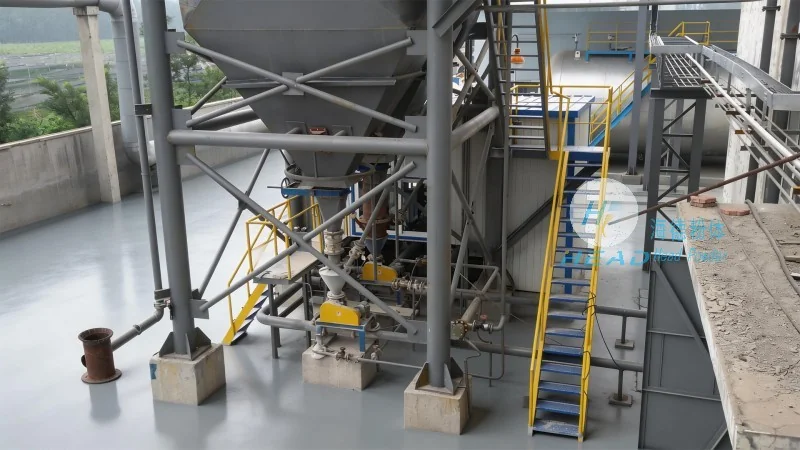
Introduction to Dense Phase Pneumatic Conveying Systems
A dense phase pneumatic conveying system is a method of transporting bulk materials through a pipeline using a combination of air and the material itself. Unlike dilute phase systems, which rely on high velocity air to suspend particles, dense phase systems operate at lower velocities, resulting in a higher material-to-air ratio. This approach minimizes product degradation, reduces wear on equipment, and allows for more precise control over the conveying process. The system typically consists of a hopper, a feeder, a pipeline, and a receiver, all working in tandem to move material from one location to another.
Key Components of a Dense Phase Pneumatic Conveying System
The effectiveness of a dense phase system is largely determined by its key components, each designed to perform specific functions in the material handling process. The hopper serves as the storage container for the bulk material, providing a consistent feed to the feeder. The feeder, often a rotary valve or a screw feeder, regulates the flow of material into the pipeline, ensuring a steady and controlled discharge. The pipeline is the main conduit for transporting the material, and its design—including diameter, length, and bends—must be optimized to minimize pressure drop and maintain the dense phase condition. The receiver, typically a hopper or a silo, collects the material at the destination, completing the conveying cycle.
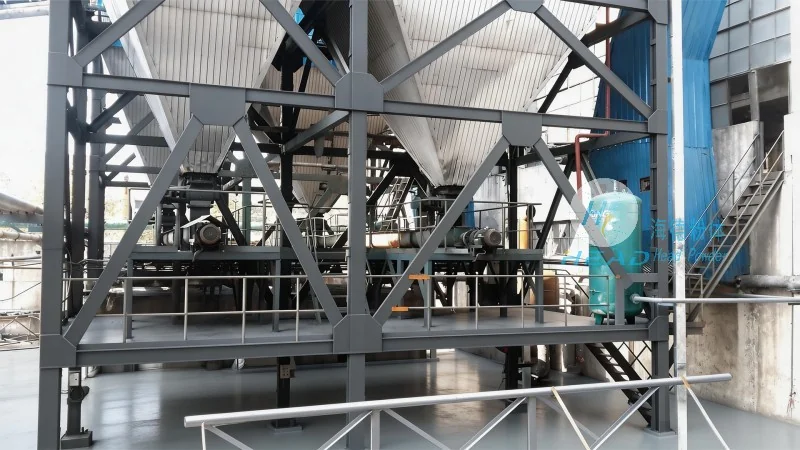
Design Principles for Optimal Performance
The design of a dense phase pneumatic conveying system involves several critical principles aimed at maximizing efficiency, minimizing energy consumption, and ensuring long-term reliability. One of the primary design considerations is the material-to-air ratio, which must be maintained at a level that prevents particle separation and ensures the material remains in a dense phase throughout the pipeline. This ratio is influenced by factors such as the material's density, particle size, and flow characteristics. Another key principle is the velocity of the air within the pipeline, which should be kept low enough to avoid particle attrition but high enough to maintain the material's suspension. The system's pressure drop is also a critical parameter, as excessive pressure loss can lead to reduced conveying capacity or the need for additional power.
Benefits of Using Dense Phase Pneumatic Conveying Systems
Implementing a dense phase pneumatic conveying system offers numerous advantages for industrial operations. The most significant benefit is the preservation of product quality, as the lower velocities and higher material density reduce the risk of attrition, contamination, or degradation. This is particularly important for sensitive materials such as pharmaceutical powders or food ingredients. Additionally, dense phase systems are highly flexible, allowing for the transport of a wide range of materials, including powders, granules, and even bulk solids with high moisture content. They also provide excellent control over the conveying process, enabling precise dosing and flow regulation. Furthermore, these systems are compact and can be integrated into existing facilities, reducing the need for extensive infrastructure modifications.
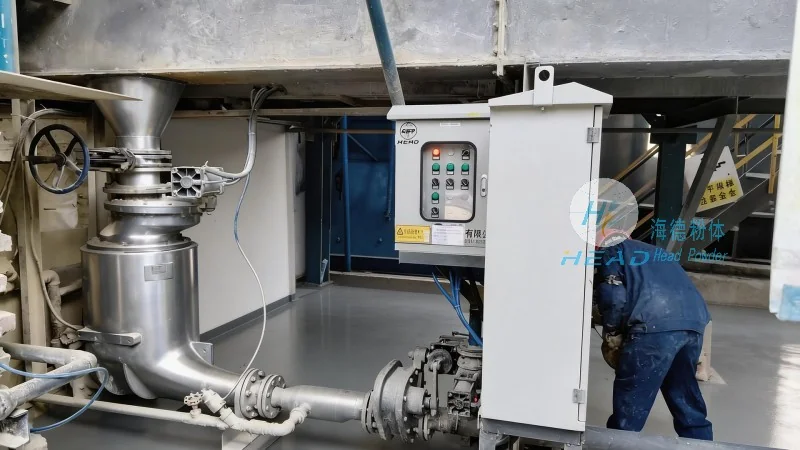
Application Examples and Industry Use Cases
Dense phase pneumatic conveying systems are widely used across various industries due to their adaptability and efficiency. In the chemical industry, they are commonly employed to transport raw materials and finished products, such as powders and granules, between processing units. The pharmaceutical sector utilizes these systems for the handling of active pharmaceutical ingredients (APIs) and excipients, ensuring strict adherence to GMP (Good Manufacturing Practice) standards. In the food and beverage industry, dense phase systems are used to convey ingredients like flour, sugar, and spices, maintaining product freshness and preventing cross-contamination. Other applications include the handling of minerals, ceramics, and agricultural products, where the system's ability to handle diverse materials makes it a versatile solution.
Conclusion and Company Overview
Dense phase pneumatic conveying systems represent a sophisticated and effective solution for bulk material handling in modern industrial settings. By understanding the design principles and key components, industries can optimize their material transport processes, enhance product quality, and improve operational efficiency. Shandong HeadPowder Engineering Co., Ltd., a leading provider in this field, specializes in the design, manufacturing, and installation of such systems. With a focus on innovation and customer satisfaction, the company offers tailored solutions that meet the unique needs of various industries. Based in Shandong, China, HeadPowder Engineering leverages advanced technology and expertise to deliver high-performance dense phase pneumatic conveying systems that enhance productivity and reliability in material handling operations.