

What is a Polytrifluorochloroethylene Pneumatic Conveying Machine? And Its Design Principles?
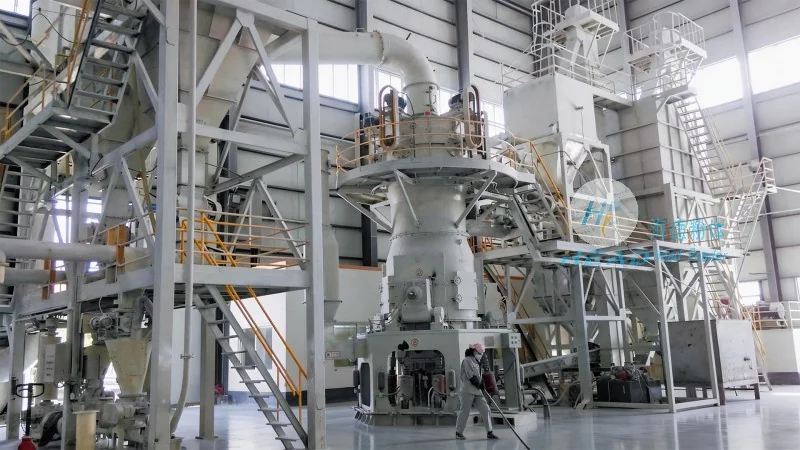
Pneumatic conveying systems are widely used in various industrial sectors for the efficient transport of bulk materials. Among these systems, the polytrifluorochloroethylene (PTFE) pneumatic conveying machine stands out due to its exceptional chemical resistance, thermal stability, and non-stick properties. This article explores the fundamental aspects of PTFE pneumatic conveying systems, including their design principles and the key factors that contribute to their effectiveness in material handling.
The Role of Polytrifluorochloroethylene in Pneumatic Conveying
PTFE, also known as Teflon, is a synthetic fluoropolymer that offers unparalleled resistance to chemicals, high temperatures, and abrasion. In pneumatic conveying applications, PTFE components are crucial for ensuring the integrity and longevity of the system. The material's non-stick surface prevents material buildup, while its chemical inertness allows for the safe handling of a wide range of substances, including corrosive or abrasive powders. This makes PTFE an ideal choice for industries that require reliable and durable material transport solutions.
Design Principles of PTFE Pneumatic Conveying Machines
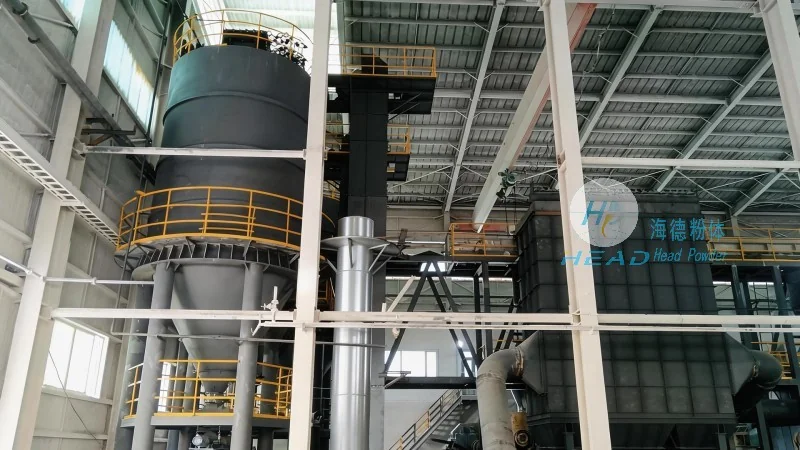
The design of a PTFE pneumatic conveying machine is based on several core principles that optimize material flow and system efficiency. These principles include the selection of appropriate air velocities, the configuration of the conveying line, and the integration of PTFE components to minimize friction and material degradation. The system typically consists of a hopper, a blower or compressor, a conveying line, and a receiver. The PTFE materials are used in critical parts such as the hopper lining, the conveying line interior, and the valve components to ensure smooth material movement and prevent clogging.
Key Features and Advantages of PTFE Pneumatic Conveying Systems
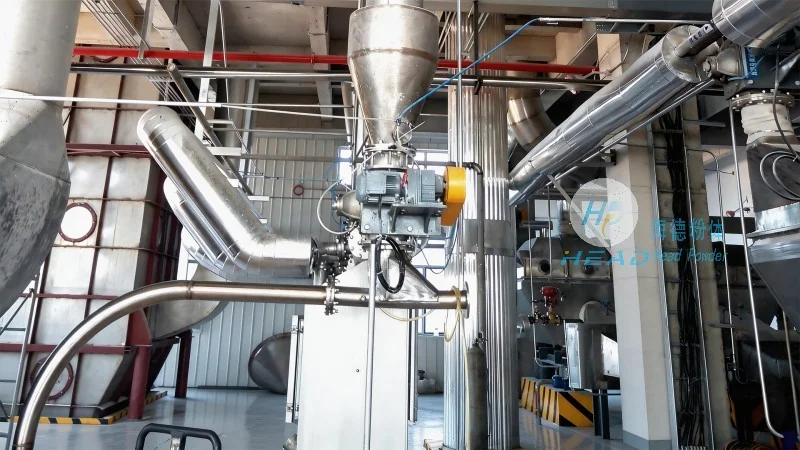
PTFE pneumatic conveying systems offer several advantages over traditional conveying methods. The primary benefit is the enhanced durability and chemical resistance, which reduces maintenance costs and extends the system's operational life. Additionally, the non-stick properties of PTFE prevent material adhesion, ensuring consistent flow rates and preventing blockages. The systems are also designed to handle a wide variety of materials, from fine powders to granules, with minimal degradation. This versatility makes PTFE pneumatic conveying machines suitable for diverse industrial applications.
Applications and Industries Served by PTFE Pneumatic Conveying Machines
PTFE pneumatic conveying machines are utilized in numerous industries where the handling of bulk materials is essential. These include pharmaceuticals, food processing, chemical manufacturing, and mining. In the pharmaceutical industry, PTFE systems are preferred for their ability to handle sensitive powders without contamination. In food processing, the non-toxic and non-stick properties of PTFE ensure compliance with food safety regulations. The chemical manufacturing sector benefits from the system's resistance to corrosive chemicals, while mining operations use PTFE pneumatic conveyors to transport minerals efficiently and safely.
About HeadPowder Engineering Co., Ltd.
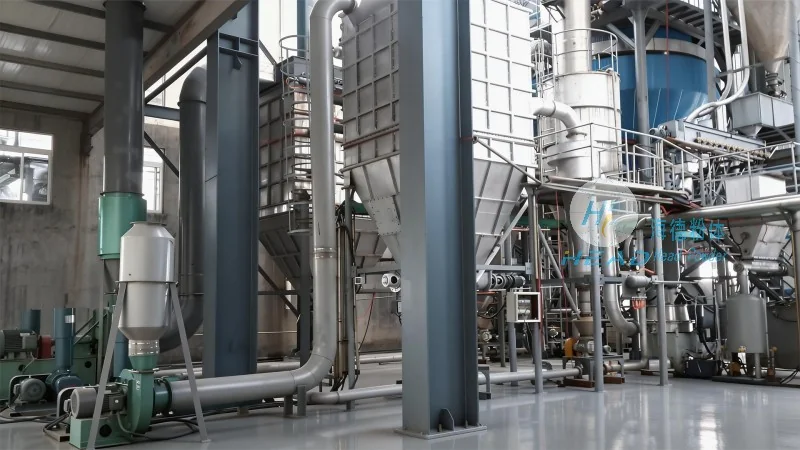
HeadPowder Engineering Co., Ltd., a leading manufacturer based in Shandong, China, specializes in the design and production of high-quality PTFE pneumatic conveying systems. With a commitment to innovation and precision engineering, HeadPowder provides customized solutions tailored to the specific needs of each client. The company's products are engineered to meet international standards and are backed by rigorous quality control processes. HeadPowder's expertise in PTFE technology ensures that clients receive reliable and efficient material handling solutions that enhance productivity and reduce operational costs.