

What is an Automatic Pneumatic Conveying System Equipment? And What Are Its Design Principles?
An automatic pneumatic conveying system is a sophisticated industrial device engineered to transport bulk materials between locations by utilizing a combination of air pressure and vacuum. This technology has become a vital component across numerous industries, including food processing, pharmaceuticals, and chemical manufacturing, due to its efficiency, adaptability, and capacity to handle diverse material types. The system operates by establishing a flow of air within a sealed pipeline, which then propels the material through the system. Grasping the design principles and components of such a system is essential for optimizing performance and ensuring reliable operation.
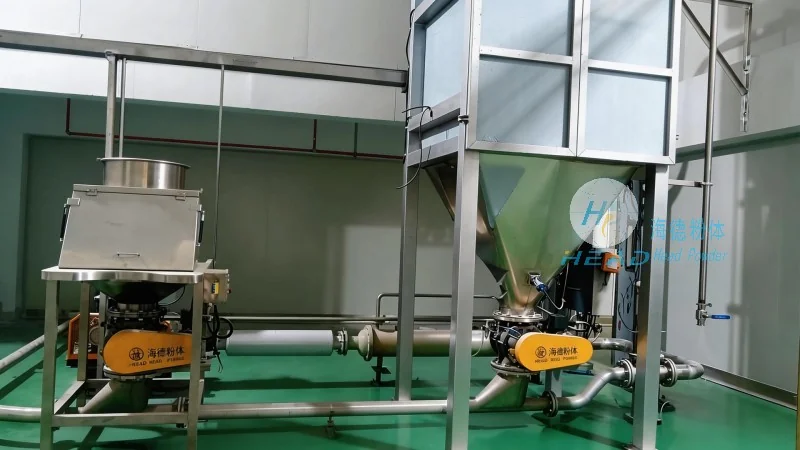
Understanding the Core Components of Pneumatic Conveying Equipment
The effectiveness of an automatic pneumatic conveying system hinges on several key components. The primary elements include the conveying line, which can be either a positive pressure or negative pressure system. Positive pressure systems employ compressed air to push material through the line, while negative pressure systems utilize vacuum to draw material in. The system also incorporates a blower or fan to generate the necessary air flow, a material feed hopper to introduce the product, and a discharge point where the material is released. Additionally, filters and cyclones are often integrated to separate the air from the material, ensuring the conveyed product remains clean and free from contamination. The choice between positive and negative pressure depends on the specific application, material characteristics, and the distance over which the material needs to be transported.
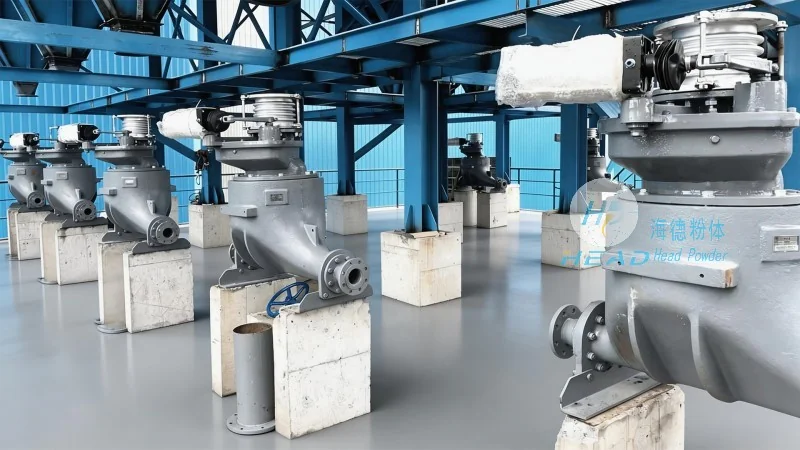
Design Principles Behind Pneumatic Conveying Systems
The design of a pneumatic conveying system is guided by several fundamental principles aimed at maximizing efficiency and minimizing operational issues. One critical principle is maintaining a consistent air velocity within the conveying line. The air velocity must be high enough to keep the material suspended and prevent it from settling or clogging the pipeline. This is typically achieved by calculating the appropriate air flow rate based on the material's properties, such as particle size, density, and moisture content. Another key principle is the system's pressure drop, which refers to the reduction in air pressure as it travels through the line. Proper design ensures that the pressure drop is within acceptable limits to avoid excessive energy consumption or insufficient material transport. The layout of the conveying line, including the number and placement of bends, elbows, and vertical sections, also plays a significant role in the system's performance. Each bend introduces additional resistance, and vertical sections require sufficient velocity to prevent material from falling out of the line. Engineers must carefully consider these factors to design a system that operates smoothly and reliably.
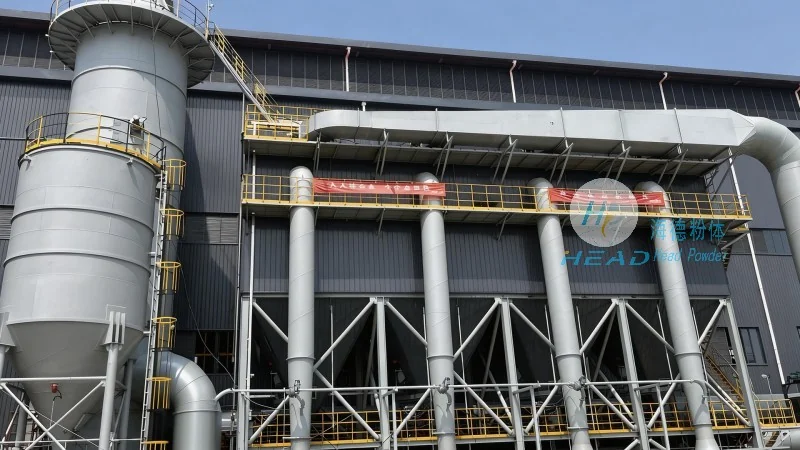
The Role of HeadPowder in Manufacturing Pneumatic Conveying Solutions
Shandong HeadPowder Engineering Co., Ltd., a leading manufacturer based in China, specializes in the design, development, and production of high-quality automatic pneumatic conveying systems. With a strong commitment to innovation and customer satisfaction, HeadPowder has established itself as a trusted partner in the industry. The company's expertise lies in tailoring solutions to meet the unique needs of each client, whether it's for transporting powders, granules, or other bulk materials. HeadPowder's engineers work closely with clients to understand their operational requirements, material characteristics, and production goals, ensuring that the final system is optimized for performance and efficiency. The company's manufacturing facilities are equipped with advanced technology and quality control measures, guaranteeing that each piece of equipment meets the highest standards of reliability and durability. By leveraging their extensive experience and knowledge, HeadPowder provides comprehensive solutions that not only enhance production processes but also contribute to cost savings and improved safety in the workplace.
Key Features and Advantages of Automatic Pneumatic Conveying Systems
Automatic pneumatic conveying systems offer numerous advantages over traditional material handling methods, such as belt conveyors or bucket elevators. One of the primary benefits is the ability to transport materials in a closed system, which helps maintain product integrity and prevents contamination from external sources. This is particularly important in industries like food and pharmaceuticals, where product purity is paramount. Additionally, pneumatic conveying systems are highly flexible, allowing for changes in the layout or direction of material flow without major modifications to the infrastructure. The systems can also handle a wide variety of materials, including fine powders, coarse granules, and even sticky or abrasive substances, making them suitable for diverse applications. Another advantage is the energy efficiency of these systems, especially when compared to mechanical conveyors that require continuous movement of components. By using air as the primary medium, pneumatic systems can reduce energy consumption while maintaining high throughput rates. Furthermore, the automated nature of these systems minimizes the need for manual labor, reducing labor costs and improving workplace safety. Overall, the combination of these features makes automatic pneumatic conveying systems a preferred choice for many industrial applications.
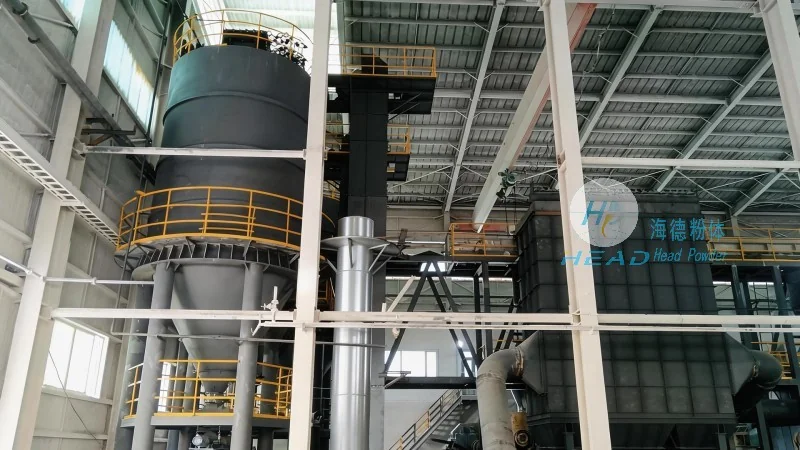
Applications and Industries Benefiting from Pneumatic Conveying
The versatility of automatic pneumatic conveying systems makes them applicable across a broad spectrum of industries. In the food and beverage industry, these systems are used to transport ingredients such as flour, sugar, and spices, as well as finished products like snacks and beverages. The closed system design ensures that the products remain fresh and free from contamination, meeting stringent regulatory requirements. In the pharmaceutical industry, pneumatic conveying is crucial for handling active pharmaceutical ingredients (APIs) and other sensitive materials, where contamination control is critical. The systems are also used in the chemical industry to transport powders and granules, including raw materials and finished chemicals. Additionally, in the agricultural sector, pneumatic conveyors are employed to move grain, seeds, and other agricultural products from storage facilities to processing plants. The ability to handle different materials and maintain product quality makes these systems indispensable in these industries. As industries continue to evolve and demand higher standards of efficiency and safety, the role of pneumatic conveying systems is likely to expand further, with manufacturers like HeadPowder playing a key role in providing advanced solutions.