

What is a cement and mineral powder pneumatic conveying equipment? What are its design principles?
For industrial operations that involve the handling of fine powders like cement and mineral powders, efficient and reliable material transport is crucial. Pneumatic conveying systems have emerged as a preferred solution due to their ability to transport dry bulk materials over long distances with minimal maintenance and operational costs. This article delves into the concept of cement and mineral powder pneumatic conveying equipment, exploring its design principles and the technical aspects that make it an indispensable asset in various industrial applications.
Understanding Pneumatic Conveying Systems
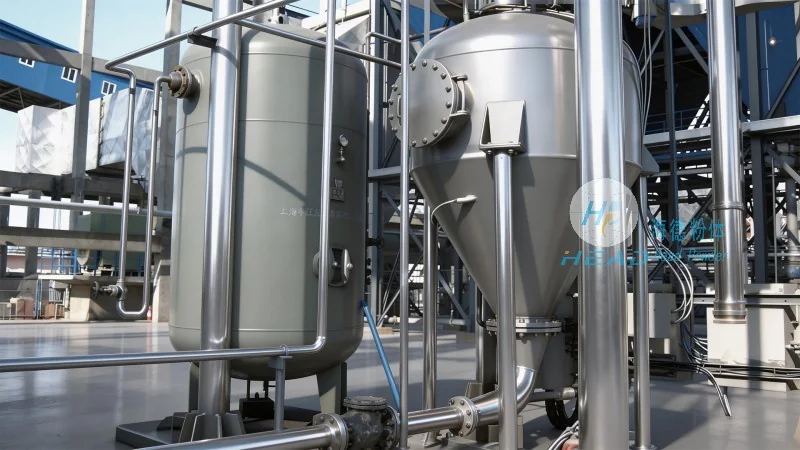
Pneumatic conveying is a method of transporting bulk materials using a stream of pressurized air or vacuum. Unlike mechanical conveyors, which rely on physical contact and moving parts, pneumatic systems use air to move the material through a pipeline. This approach is particularly advantageous for handling dusty, abrasive, or sensitive powders, as it minimizes product degradation and reduces the risk of contamination. The core components of a pneumatic conveying system typically include a hopper for material storage, a feeder to control the flow rate, a conveying line, and a receiver for the discharged material. In the context of cement and mineral powders, the system is engineered to handle the specific properties of these materials, such as their fine particle size, high density, and potential for caking or agglomeration.
Design Principles of Cement and Mineral Powder Pneumatic Conveying Equipment
The design of cement and mineral powder pneumatic conveying equipment is governed by several key principles aimed at ensuring optimal performance, efficiency, and durability. First, the system must be capable of handling the high flow rates and large volumes typical of cement and mineral powders. This often requires the use of high-capacity feeders and conveying lines with sufficient diameter to prevent blockages and maintain consistent material flow. Second, the equipment must address the challenges posed by the fine particle size of these materials. Fine powders are prone to segregation and can cause increased friction within the conveying line, leading to higher energy consumption and potential wear on components. To mitigate these issues, the design incorporates features such as smooth, corrosion-resistant surfaces and specialized hopper designs that minimize material buildup and ensure uniform feeding.
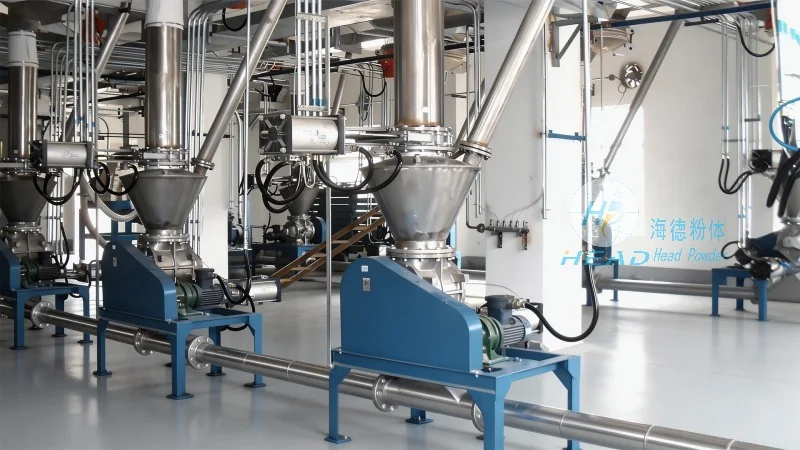
Third, the system must be equipped with effective dust control measures. Cement and mineral powders are often dusty and can create health and safety hazards if not properly contained. The design includes dust collection systems, such as cyclones or bag filters, to capture and remove airborne particles before they are released into the environment. Additionally, the use of sealed conveying lines and proper sealing of components helps to maintain a clean and safe working environment. Fourth, the equipment is designed for easy maintenance and operational flexibility. This includes features like quick-release connections, accessible maintenance points, and adjustable flow controls that allow operators to adapt the system to changing material conditions or production requirements.
Key Components and Their Functions
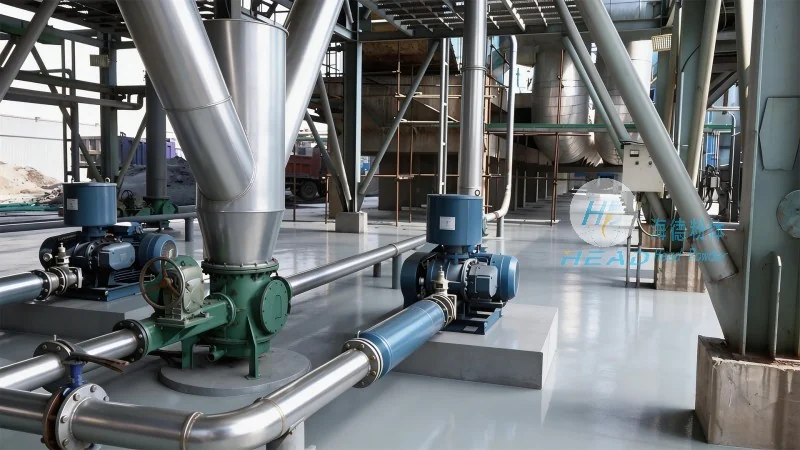
At the heart of a cement and mineral powder pneumatic conveying system are several critical components that work in tandem to ensure smooth operation. The hopper serves as the storage and feeding unit, providing a consistent supply of material to the feeder. The feeder, often a rotary valve or a screw feeder, regulates the flow rate of the material into the conveying line, preventing overloading and ensuring stable operation. The conveying line, typically made of stainless steel or other corrosion-resistant materials, transports the material from the hopper to the receiver. The receiver, or discharge hopper, collects the material after it has been conveyed and may include a discharge valve or outlet for further processing. Additionally, the system may include a blower or compressor to generate the air pressure required for conveying, and a vacuum pump for vacuum-based systems. Each component is carefully selected and sized to match the specific characteristics of the cement and mineral powders being handled, ensuring optimal performance and longevity.
Advantages of Using Pneumatic Conveying for Cement and Mineral Powders
Compared to traditional mechanical conveyors, pneumatic conveying offers several advantages for handling cement and mineral powders. One of the primary benefits is the ability to transport materials over long distances without the need for intermediate transfer points or elevators. This reduces the overall footprint of the system and simplifies the layout of the industrial facility. Another advantage is the reduced risk of product contamination and degradation. Since the material is not in direct contact with moving parts, there is less chance of cross-contamination or damage to the powder's quality. Furthermore, pneumatic systems are more energy-efficient than mechanical conveyors, especially for high-volume applications, as they can achieve higher material throughput with lower power consumption. The flexibility of pneumatic conveying also allows for easy integration with other processes, such as blending or packaging, by connecting the conveying line to downstream equipment. This adaptability makes the system suitable for a wide range of industrial applications, from cement production and mining to chemical processing and food manufacturing.
Applications in Industrial Settings
Cement and mineral powder pneumatic conveying equipment is widely used in various industrial sectors where the handling of fine powders is essential. In the cement industry, these systems are used to transport raw materials, such as limestone and clay, from storage silos to the grinding mills. The high efficiency and reliability of pneumatic conveying ensure that the raw materials are delivered to the mills in a consistent and controlled manner, which is critical for maintaining the quality of the cement product. In the mining industry, pneumatic conveying is employed to transport mineral powders from processing plants to storage facilities or for further processing. The ability to handle abrasive and dusty materials makes this system ideal for mining operations, where mechanical conveyors may be prone to wear and failure. Additionally, in the chemical and pharmaceutical industries, pneumatic conveying is used to transport powders that require strict contamination control, such as active pharmaceutical ingredients (APIs) or specialty chemicals. The sealed and dust-controlled nature of the system helps to maintain the purity of these materials, ensuring compliance with regulatory standards.
Considerations for System Selection and Installation
When selecting a cement and mineral powder pneumatic conveying system, several factors must be considered to ensure optimal performance and cost-effectiveness. First, the material properties of the cement or mineral powder must be thoroughly evaluated. This includes the particle size distribution, density, moisture content, and flowability of the material. These characteristics will determine the appropriate type of feeder, conveying line diameter, and air pressure required for the system. Second, the distance and elevation change between the source and destination of the material must be considered. For short distances and minimal elevation changes, a low-pressure system may be sufficient, while longer distances or significant elevation changes may require a high-pressure or vacuum system. Third, the required flow rate and capacity of the system must be matched to the production needs of the facility. Over-sizing the system can lead to unnecessary energy consumption and increased costs, while under-sizing can result in bottlenecks and reduced productivity. Fourth, the environmental and safety regulations in the operating region must be taken into account. This includes considerations for dust control, noise levels, and the need for explosion-proof components in hazardous environments.
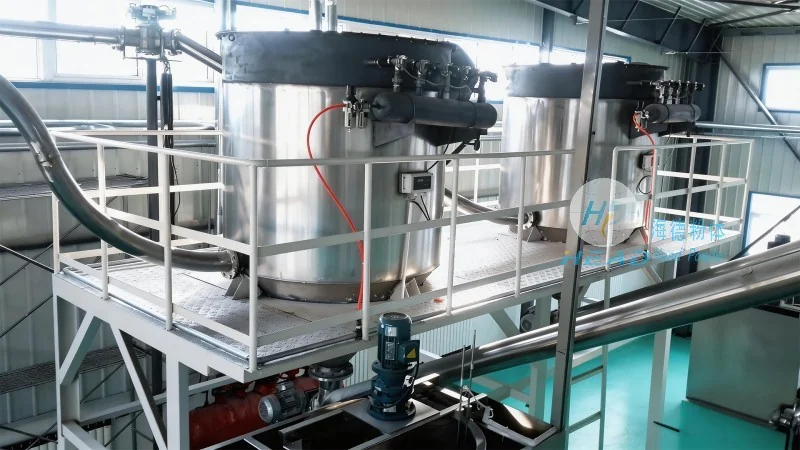
During the installation of the system, proper alignment and sealing of the conveying lines are critical to prevent leaks and maintain the pressure within the system. The hopper and feeder must be properly designed to prevent material buildup and ensure consistent feeding. The receiver must be equipped with a dust collection system to capture any airborne particles and prevent environmental contamination. Regular maintenance, such as cleaning the hopper and feeder, inspecting the conveying line for wear, and checking the performance of the feeder and blower, is essential to ensure the long-term reliability of the system. By carefully considering these factors and adhering to proper installation and maintenance procedures, the cement and mineral powder pneumatic conveying system can provide reliable and efficient material transport for years to come.
Conclusion
Cement and mineral powder pneumatic conveying equipment is a sophisticated and efficient solution for handling fine bulk materials in industrial applications. The design principles, which prioritize material flow, dust control, and operational flexibility, make it an ideal choice for a wide range of industries. By understanding the key components and design considerations, industrial facilities can select and implement a system that meets their specific needs, ensuring optimal performance, cost savings, and compliance with safety and environmental regulations. As the demand for efficient material handling continues to grow, pneumatic conveying systems will remain a vital component in the processing and transportation of cement and mineral powders, supporting the productivity and sustainability of modern industrial operations.