

[Metal Aluminum Powder Pneumatic Conveying Equipment: What It Is and Its Design Principles]
For industrial applications involving the handling of metal aluminum powder, efficient and reliable material transport is crucial. This is where specialized equipment like metal aluminum powder pneumatic conveying systems come into play. These systems are engineered to move aluminum powder through a pipeline using pressurized air or other gas streams, offering a solution to common challenges such as dust control, material degradation, and operational safety. In this article, we will explore what metal aluminum powder pneumatic conveying equipment is and delve into its fundamental design principles.
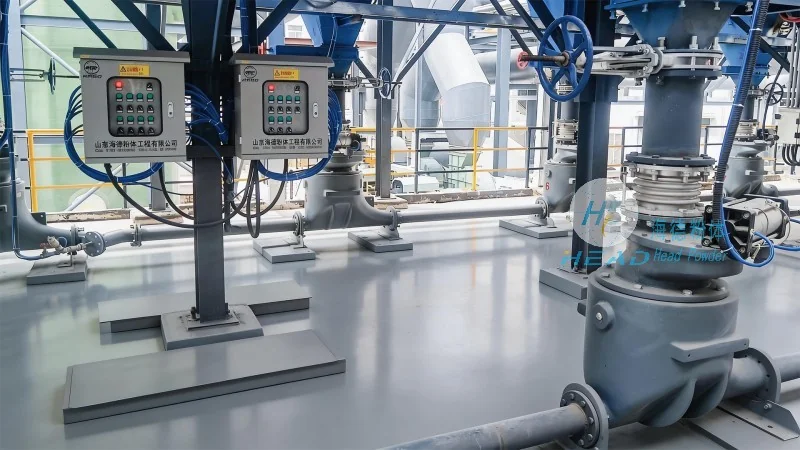
Understanding Metal Aluminum Powder Pneumatic Conveying Equipment
Metal aluminum powder pneumatic conveying equipment is a type of industrial machinery designed to transport aluminum powder from one location to another within a processing facility. Unlike traditional mechanical conveyors, which rely on physical components like belts or screws, pneumatic systems utilize the force of compressed air to propel the powder through a sealed pipeline. This method not only ensures a clean and dust-free transfer but also minimizes the risk of contamination and material degradation, which are critical concerns when handling aluminum powder, especially in applications like aerospace, automotive, and chemical manufacturing.
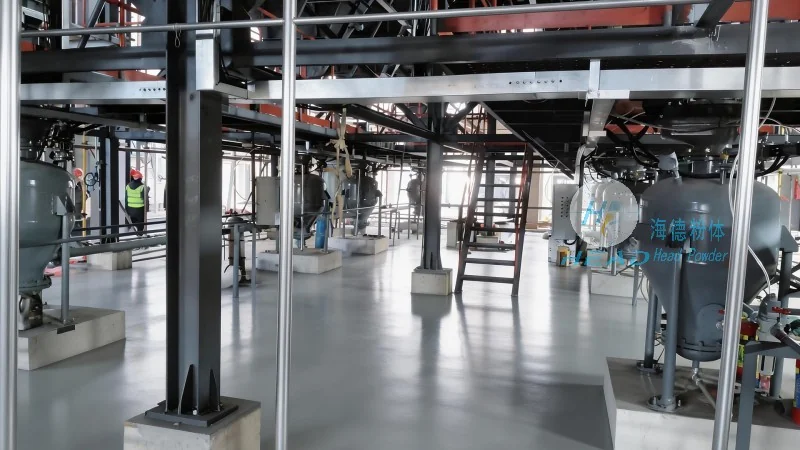
The equipment typically consists of several key components, including a hopper for material storage, a feeder to control the flow of powder, a conveying line with appropriate fittings and valves, and a receiver or collection tank at the destination. The entire system operates under a controlled pressure environment, ensuring that the aluminum powder is transported smoothly and efficiently. The design of these systems is tailored to the specific characteristics of aluminum powder, such as its particle size, density, and flowability, to optimize performance and prevent blockages or other operational issues.
Design Principles of Metal Aluminum Powder Pneumatic Conveying Equipment
The design of metal aluminum powder pneumatic conveying equipment is guided by several fundamental principles aimed at maximizing efficiency, reliability, and safety. One of the primary design considerations is the selection of the appropriate conveying method, which can be categorized as either dilute-phase or dense-phase. Dilute-phase systems use low air-to-material ratios, typically moving the powder at high velocity through the pipeline, while dense-phase systems employ higher air-to-material ratios, resulting in a slower, more controlled flow. The choice between these methods depends on factors such as the distance to be covered, the required flow rate, and the sensitivity of the aluminum powder to agitation.
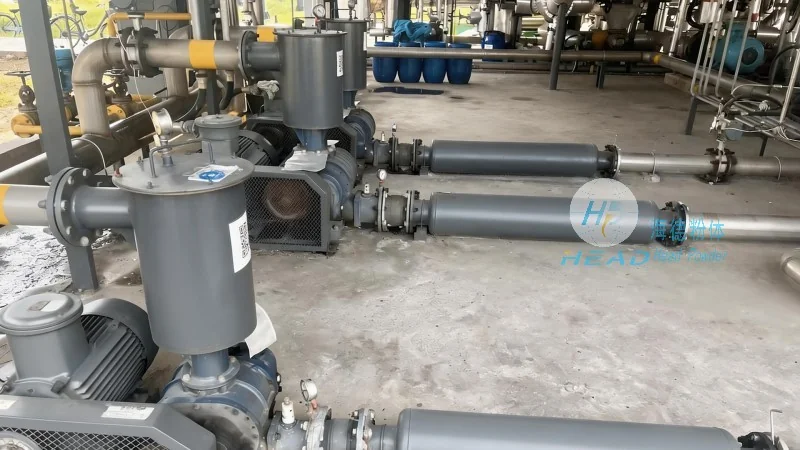
Another critical design principle is the selection of the conveying line material. Since aluminum powder can be abrasive and may cause corrosion in certain environments, the pipeline is often constructed from materials like stainless steel or specialized alloys that can withstand the abrasive nature of the powder and resist corrosion. The internal surface of the pipeline is also designed to minimize friction and ensure smooth flow, reducing the risk of material buildup and blockages. Additionally, the system incorporates features such as air filters and moisture separators to maintain the purity of the aluminum powder and prevent contamination from the air or other external sources.
The control system is another essential design element, as it manages the operation of the equipment, including the feeder speed, air pressure, and flow rate. Advanced control systems may include sensors to monitor pressure, flow, and temperature, providing real-time feedback to adjust the operation and prevent issues such as overloading or underpressure. This level of control is vital for maintaining consistent performance and ensuring the safety of the operation, especially when handling potentially reactive materials like aluminum powder.
Key Components and Their Functions
Each component of the metal aluminum powder pneumatic conveying equipment plays a specific role in the overall system. The hopper serves as the storage vessel, holding the aluminum powder and providing a consistent feed to the feeder. The feeder, often a rotary valve or a screw feeder, regulates the flow of powder into the conveying line, ensuring a steady and controlled discharge. The conveying line, equipped with elbows, tees, and other fittings, directs the powder to the receiver, which collects the material at the destination. The receiver is typically designed with a vent and a discharge valve to allow for easy emptying and cleaning.
The air compressor or blower provides the necessary pressure to move the powder through the system. The air is filtered and dried to remove moisture and particulates, which could otherwise affect the quality of the aluminum powder or damage the equipment. The control panel manages the operation of all components, allowing operators to adjust settings and monitor the system's performance. Safety features, such as pressure relief valves and emergency shut-off mechanisms, are integrated into the design to prevent accidents and protect personnel and equipment.
Applications and Benefits
Metal aluminum powder pneumatic conveying equipment is widely used in various industries that rely on aluminum powder for their manufacturing processes. In the aerospace industry, for example, aluminum powder is used in the production of lightweight components and composites, where the ability to transport the powder without contamination is critical. The automotive industry also utilizes aluminum powder in the manufacturing of parts and coatings, benefiting from the clean and efficient transfer provided by pneumatic systems. Additionally, in the chemical and pharmaceutical sectors, the equipment is used to handle aluminum powder in processes such as coating and compounding, where precision and purity are paramount.
The benefits of using metal aluminum powder pneumatic conveying equipment extend beyond just efficient material transport. These systems offer significant advantages over traditional methods, including reduced labor costs, improved safety, and lower maintenance requirements. By eliminating the need for manual handling and physical contact with the powder, the risk of dust exposure and inhalation is minimized, protecting the health of workers. The sealed pipeline design also prevents the powder from coming into contact with the environment, reducing the risk of contamination and ensuring the quality of the final product. Furthermore, the automated control systems reduce the need for constant monitoring and adjustment, leading to lower operational costs and increased productivity.
Conclusion
Metal aluminum powder pneumatic conveying equipment is a sophisticated and essential tool for industries that handle aluminum powder. By understanding its design principles and components, manufacturers can select and operate the most suitable system for their specific needs. The equipment's ability to provide efficient, clean, and safe material transport makes it an indispensable part of modern industrial processes. As technology advances, these systems continue to evolve, incorporating more advanced features and materials to meet the growing demands of the aluminum powder industry. For companies like Shandong HeadPowder Engineering Co., Ltd., based in China, such equipment represents a key offering in their portfolio, providing reliable solutions to their clients' material handling challenges.