

What is an Active Ammonia Denitrification System Equipment? Understanding Its Design Principles
Active ammonia denitrification systems are advanced environmental control technologies designed to reduce nitrogen oxide (NOx) emissions from industrial processes. These systems play a crucial role in meeting stringent environmental regulations and improving air quality. This article explores the fundamental aspects of active ammonia denitrification systems, focusing on their design principles and the role of manufacturers like Shandong HeadPowder Engineering Co., Ltd. from China.
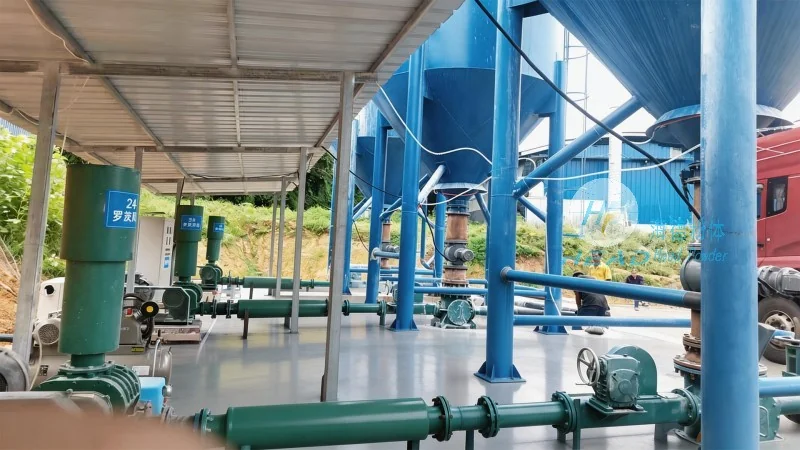
What is an Active Ammonia Denitrification System?
An active ammonia denitrification system is a sophisticated piece of equipment used to convert nitrogen oxides into less harmful compounds, typically nitrogen gas and water. The process involves the injection of ammonia into a flue gas stream, where it reacts with NOx in the presence of a catalyst or under specific temperature conditions. This reaction effectively reduces the concentration of NOx, which is a key contributor to air pollution and acid rain. The system is widely used in power plants, industrial boilers, and other facilities that generate significant NOx emissions.
Key Design Principles of Active Ammonia Denitrification Systems
The design of an active ammonia denitrification system is based on several critical principles to ensure efficient and reliable NOx reduction. First, the system must accurately measure the concentration of NOx in the flue gas to determine the precise amount of ammonia required for optimal conversion. This is typically achieved through advanced gas analysis instruments and control systems. Second, the injection of ammonia must be controlled to maintain the correct stoichiometric ratio with NOx, preventing over- or under-dosing which could lead to incomplete reactions or excess ammonia emissions. Third, the system incorporates a catalyst or reaction chamber where the chemical conversion occurs, often operating at specific temperatures to enhance reaction rates. Fourth, the system includes a downstream scrubbing or absorption section to capture any unreacted ammonia and prevent it from being released into the atmosphere, ensuring compliance with emission standards.
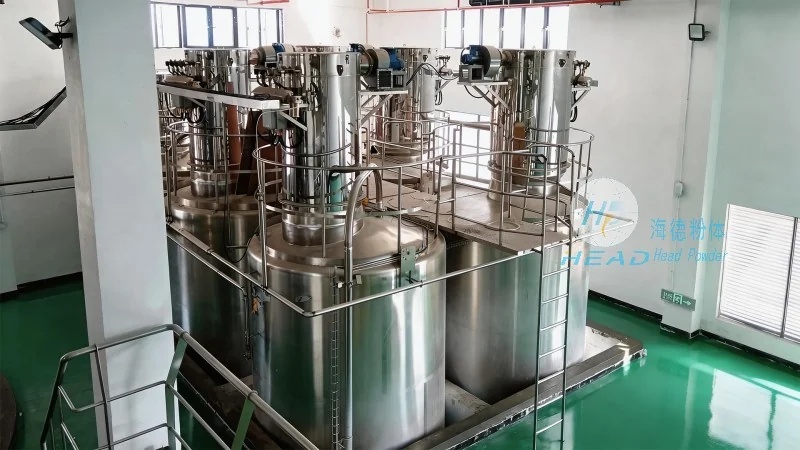
Components and Operational Mechanism
Active ammonia denitrification systems consist of several key components that work in tandem to achieve NOx reduction. The primary components include a gas analyzer, an ammonia injection system, a catalyst or reaction chamber, and a downstream absorption or scrubbing unit. The operational mechanism begins with the flue gas entering the system, where it is first analyzed for NOx levels. Based on the analysis, the system calculates the required amount of ammonia and injects it into the gas stream. The gas then passes through the reaction chamber, where the ammonia reacts with NOx to form nitrogen and water. The treated gas then moves to the downstream section, where any residual ammonia is captured and neutralized. This comprehensive approach ensures that the system operates efficiently and maintains low NOx emissions throughout the process.
Manufacturer's Role: Shandong HeadPowder Engineering Co., Ltd.
Shandong HeadPowder Engineering Co., Ltd., a leading manufacturer based in China, specializes in the design, development, and supply of active ammonia denitrification systems. The company leverages advanced engineering and manufacturing capabilities to produce high-quality equipment that meets international environmental standards. With a focus on innovation and customer satisfaction, HeadPowder provides tailored solutions to meet the specific needs of industrial clients. The company's expertise in chemical engineering and environmental technology enables it to deliver systems that are not only effective in reducing NOx emissions but also cost-efficient and easy to maintain. By partnering with HeadPowder, industrial facilities can enhance their environmental performance while adhering to regulatory requirements.
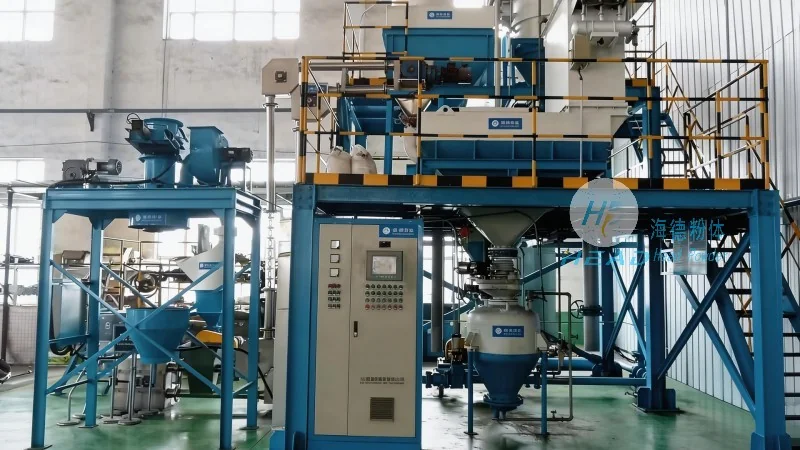
Benefits and Applications
Active ammonia denitrification systems offer numerous benefits to industrial facilities, including compliance with stringent environmental regulations, improved air quality, and enhanced operational efficiency. These systems are particularly effective in power generation, petrochemical, and manufacturing industries where NOx emissions are a significant concern. The systems also contribute to reducing the environmental impact of industrial operations, helping companies achieve sustainability goals. Additionally, the technology provides a cost-effective solution compared to other NOx reduction methods, making it an attractive option for many facilities. The versatility of active ammonia denitrification systems allows them to be integrated into existing industrial processes with minimal disruption, ensuring a smooth transition to cleaner operations.
Conclusion
In summary, active ammonia denitrification systems are essential equipment for reducing nitrogen oxide emissions from industrial sources. Their design is based on precise measurement, controlled ammonia injection, effective chemical reactions, and thorough downstream treatment. Manufacturers like Shandong HeadPowder Engineering Co., Ltd. play a vital role in providing these systems, ensuring that industrial facilities can meet environmental standards while maintaining operational efficiency. As environmental regulations continue to evolve, the importance of advanced denitrification technologies like active ammonia systems will only grow, making them a critical component of sustainable industrial practices.