

What are the main structures of activated carbon pneumatic conveying?
Activated carbon is widely used in various industrial processes for its excellent adsorption properties. The efficient transportation of activated carbon from production sites to processing facilities is crucial for maintaining operational efficiency and product quality. Pneumatic conveying systems offer a reliable and effective method for handling activated carbon, and understanding the key structural components of these systems is essential for optimizing performance and ensuring safe operation.
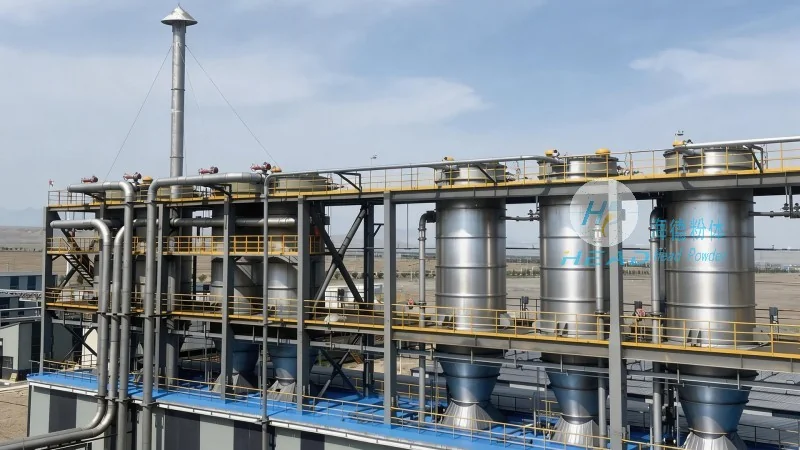
Key Structural Components of Activated Carbon Pneumatic Conveying Systems
The main structures of activated carbon pneumatic conveying systems typically include several critical components that work together to facilitate the movement of activated carbon particles. These components are designed to handle the unique characteristics of activated carbon, such as its fine particle size and high adsorption capacity, while ensuring minimal loss and maximum efficiency.
Pneumatic Conveying Pipeline System
The pipeline system is the backbone of any pneumatic conveying setup. It consists of a network of pipes, fittings, and valves that form the path for the activated carbon particles to travel from the source to the destination. The pipeline is usually made of materials like stainless steel or high-density polyethylene (HDPE) to withstand the abrasive nature of activated carbon and resist corrosion. The design of the pipeline, including its diameter, length, and layout, is critical for maintaining consistent air velocity and preventing particle segregation or blockages. The system may include vertical and horizontal sections, with bends and elbows strategically placed to guide the flow smoothly. Additionally, the pipeline is equipped with pressure sensors and flow meters to monitor the system's performance in real-time.

Feeding and Discharge Equipment
Feeding equipment is responsible for introducing activated carbon into the conveying system. Common feeding devices include rotary valves, star feeders, and screw conveyors. These devices ensure a consistent and controlled flow of activated carbon into the pipeline, preventing clogging and maintaining the desired flow rate. The discharge equipment, on the other hand, handles the removal of activated carbon from the system at the receiving end. This may involve rotary valves, bagging machines, or storage silos, depending on the application. The design of these components must consider the fine particle size of activated carbon to avoid particle loss and ensure efficient transfer.
Air Supply and Control System
The air supply system provides the necessary pressure and volume of air to move the activated carbon particles through the pipeline. This typically involves a blower or a positive displacement compressor, which generates the required airflow. The system may include air filters and moisture separators to ensure the air is clean and dry, as moisture can affect the performance of activated carbon and cause blockages. The control system manages the operation of the blower, valves, and other components, using sensors to monitor pressure, flow, and temperature. This allows for automatic adjustment of the system parameters to maintain optimal conveying conditions, even with varying loads or particle characteristics.
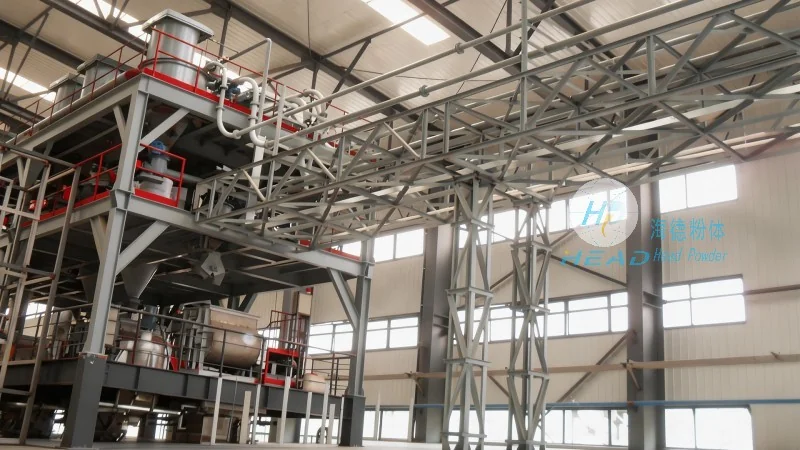
Filtering and Dust Collection System
Due to the fine particle size of activated carbon, a filtering and dust collection system is essential to prevent the release of dust and particulate matter into the environment. This system typically includes a cyclone separator or a baghouse filter, which captures the activated carbon particles from the exhaust air. The collected particles are then returned to the conveying system or disposed of properly. The design of this system must be efficient to ensure compliance with environmental regulations and to maintain the cleanliness of the surrounding area. Regular maintenance of the filters is necessary to prevent clogging and ensure consistent performance.
Control and Monitoring System
A comprehensive control and monitoring system is crucial for the safe and efficient operation of activated carbon pneumatic conveying systems. This system includes sensors, controllers, and a central monitoring panel that provides real-time data on the system's performance. Key parameters monitored include pressure, flow rate, temperature, and particle concentration. The control system can automatically adjust the blower speed, valve positions, and other parameters to maintain optimal conditions. Additionally, the system may include alarms and safety interlocks to prevent overpressure, blockages, or other hazards. This ensures that the system operates within safe limits and can be quickly responded to in case of any issues.
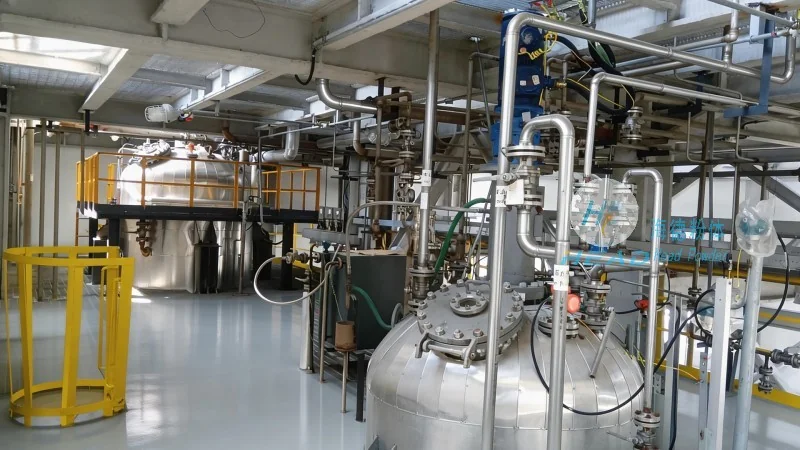
Application-Specific Considerations
The main structures of activated carbon pneumatic conveying systems may vary depending on the specific application and the characteristics of the activated carbon being handled. For example, in industrial wastewater treatment plants, the system may need to handle larger quantities of activated carbon with higher moisture content, requiring adjustments to the pipeline diameter and air pressure. In pharmaceutical or food processing applications, the system must meet stringent hygiene and safety standards, with materials like stainless steel and sanitary fittings used throughout. The design of the system must also consider the end-use of the activated carbon, such as whether it will be used for air purification, water treatment, or other processes, as this can affect the required particle size and purity.
Conclusion
In summary, the main structures of activated carbon pneumatic conveying systems consist of a pipeline system, feeding and discharge equipment, an air supply and control system, a filtering and dust collection system, and a control and monitoring system. Each component plays a critical role in ensuring the efficient and safe transportation of activated carbon. Proper design, installation, and maintenance of these components are essential for optimizing system performance, minimizing downtime, and ensuring compliance with environmental and safety regulations. By understanding and implementing these key structures, industrial facilities can achieve reliable and cost-effective activated carbon handling, supporting their overall operational goals.