

Main Structures of Silicate Glass Pneumatic Conveying Systems
When considering the design and implementation of silicate glass pneumatic conveying systems, understanding the core structural components is essential for ensuring efficient operation and longevity. These systems are critical in various industrial applications, and the key structures form the backbone of their functionality. This article explores the main structures of silicate glass pneumatic conveying systems, providing insights into their design and purpose.
Introduction to Silicate Glass Pneumatic Conveying Systems
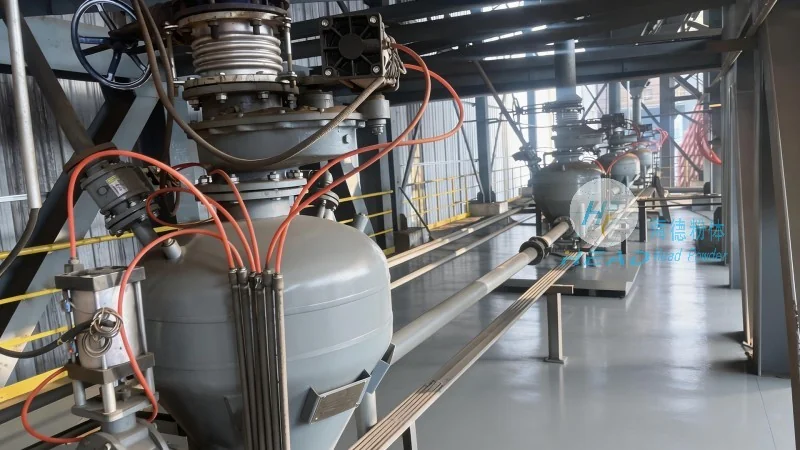
Silicate glass pneumatic conveying systems are used to transport silicate glass materials through a pipeline using air or other gas as the conveying medium. These systems are widely employed in industries such as glass manufacturing, chemical processing, and material handling due to their ability to handle fine powders and granules with minimal product degradation. The effectiveness of these systems largely depends on the integration of several key structural components that work in harmony to achieve efficient material transport.
Key Structural Components of Silicate Glass Pneumatic Conveying Systems
The primary structures in silicate glass pneumatic conveying systems include the material feed unit, the conveying pipeline, the air or gas source, the separation and collection equipment, and the control system. Each component plays a crucial role in the overall operation, and their design must be optimized to handle the specific characteristics of silicate glass, such as its fine particle size and potential for dust generation.
Material Feed Unit
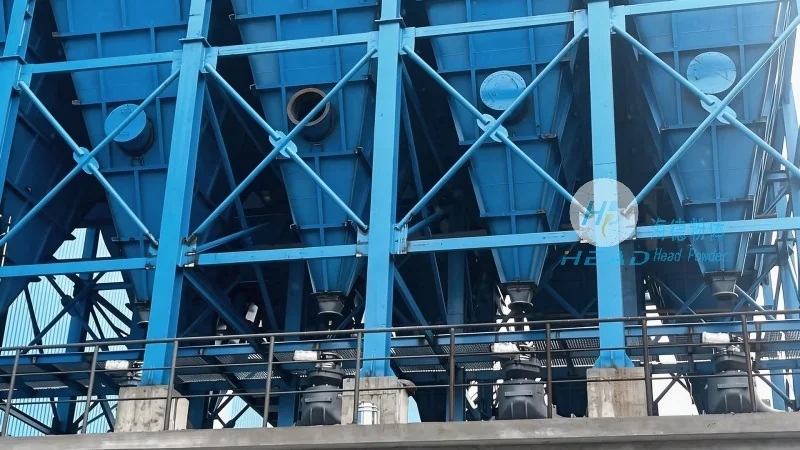
The material feed unit is the initial component where silicate glass is introduced into the system. This unit typically includes a hopper or feeder that can handle bulk material and feed it into the conveying line at a controlled rate. For silicate glass, which can be abrasive and fine, the feed unit is designed with materials that resist wear and clogging. The design may incorporate features like a rotary valve or a screw feeder to ensure a consistent flow of material into the pipeline. The feed unit is critical as it sets the initial conditions for the conveying process, and any inefficiencies here can lead to blockages or uneven material distribution.
Conveying Pipeline
The conveying pipeline is the main pathway through which silicate glass is transported. It is usually made of materials that are resistant to corrosion and abrasion, such as stainless steel or special plastic composites, to withstand the wear from fine glass particles. The pipeline design includes bends and turns that are carefully engineered to minimize pressure loss and prevent material deposition. The diameter and length of the pipeline are determined based on the material flow rate, particle size, and the distance to be covered. In some systems, the pipeline may be equipped with cleaning mechanisms, such as air jets or mechanical scrapers, to maintain its integrity and prevent clogging over time.
Air or Gas Source
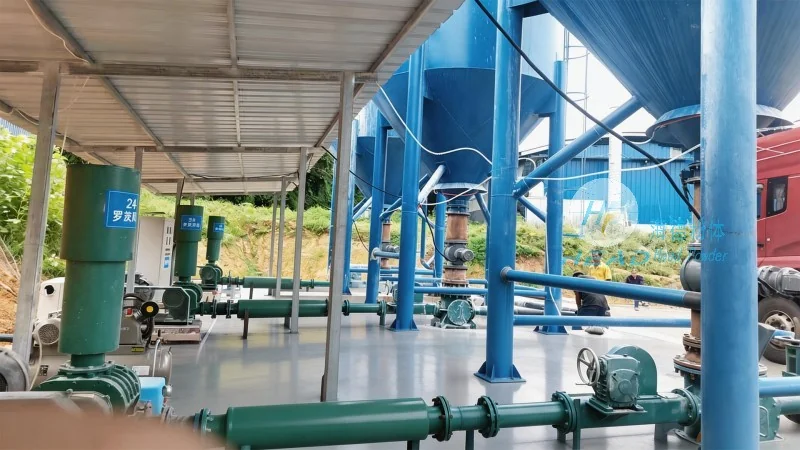
The air or gas source provides the necessary pressure and flow to move the silicate glass through the pipeline. This component typically includes a blower or compressor that generates the required air volume and pressure. The choice of air source depends on the system's capacity and the specific properties of the silicate glass being conveyed. For fine powders like silicate glass, higher air velocities may be required to prevent particle settling and ensure smooth transport. The air source is often equipped with filters to remove contaminants and maintain air quality, as clean air is essential for preventing material contamination and system damage.
Separation and Collection Equipment
At the end of the conveying process, the silicate glass needs to be separated from the conveying medium and collected. This is achieved through the separation and collection equipment, which may include cyclone separators, filters, or baghouses. Cyclone separators use centrifugal force to separate the glass particles from the air stream, while filters capture fine particles that may have escaped the cyclone. The design of these components must consider the particle size and density of the silicate glass to ensure efficient separation and minimal loss. The collected material is then stored in a container or transferred to the next processing stage, completing the conveying cycle.
Control System
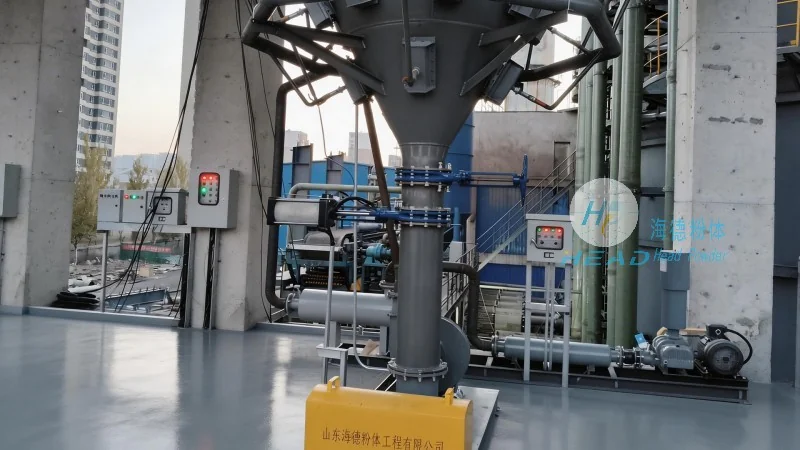
The control system manages the operation of the entire silicate glass pneumatic conveying system, ensuring that all components work together in a coordinated manner. This system typically includes sensors, controllers, and monitoring devices that track parameters such as pressure, flow rate, and material level. The control system can adjust the feed rate, air pressure, and other variables in real-time to maintain optimal operation and prevent issues like overloading or under-conveying. Modern control systems may also include automation features, allowing for remote monitoring and operation, which enhances efficiency and reduces the need for manual intervention.
Design Considerations for Silicate Glass Pneumatic Conveying Systems
Designing silicate glass pneumatic conveying systems requires careful consideration of several factors to ensure reliable and efficient operation. Material selection is a key consideration, as components must be resistant to the abrasive and corrosive nature of silicate glass. The system's capacity and the required conveying distance must be accurately determined to select the appropriate components and ensure adequate air flow. Additionally, the system must be designed to handle the potential for dust generation and ensure proper ventilation and filtration to maintain a safe working environment. Regular maintenance and inspection are also critical to prevent wear and ensure the longevity of the system.
Conclusion
In summary, the main structures of silicate glass pneumatic conveying systems include the material feed unit, conveying pipeline, air or gas source, separation and collection equipment, and the control system. Each component plays a vital role in the efficient transport of silicate glass, and their design must be optimized to handle the unique characteristics of the material. By understanding these key structures and their functions, industries can select and implement effective pneumatic conveying systems that meet their operational needs. For more information on silicate glass pneumatic conveying systems, please contact Shandong HeadPowder Engineering Co., Ltd., a leading provider of engineering solutions for material handling applications.