

The Role of Pneumatic Conveying in Oat Transportation
Pneumatic conveying technology plays a crucial role in the efficient and reliable transportation of oats. As a key component in the grain handling industry, this method offers significant advantages over traditional mechanical systems, particularly in terms of flexibility, hygiene, and energy efficiency. The process involves the use of air to move bulk materials like oats through a pipeline system, enabling seamless transfer from storage to processing or packaging stages. For oat producers and processors, understanding the benefits and applications of pneumatic conveying is essential for optimizing operational workflows and maintaining product quality.
HeadPowder's Expertise in Pneumatic Conveying Solutions
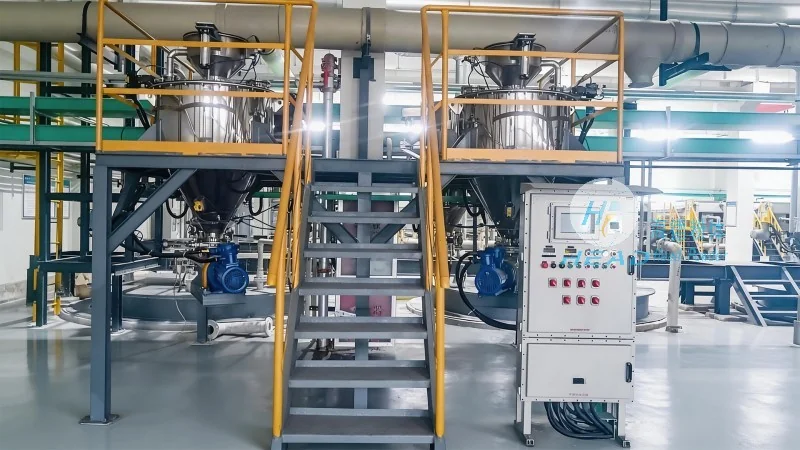
HeadPowder, a leading provider of engineering solutions for bulk material handling, specializes in designing and manufacturing pneumatic conveying systems tailored to the unique needs of the oat industry. With years of experience and a deep understanding of grain characteristics, HeadPowder's team of engineers develops customized solutions that ensure optimal performance and durability. The company's commitment to quality and innovation has made it a trusted partner for businesses seeking reliable oat transportation systems. Based in Shandong, China, HeadPowder leverages local manufacturing capabilities and global expertise to deliver high-performance equipment that meets international standards.
Key Features of Pneumatic Conveying Systems for Oats
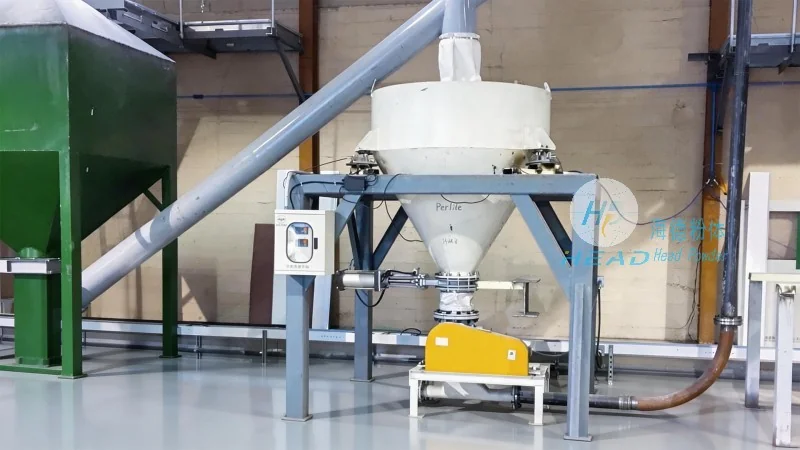
HeadPowder's pneumatic conveying systems for oats are engineered with several key features that enhance their effectiveness. One of the primary advantages is the ability to handle delicate and fragile oats without causing damage or breakage. The system uses controlled air pressure and flow rates to gently move the grain through the pipeline, preserving its quality and integrity. Additionally, these systems are designed for easy integration with existing storage and processing facilities, allowing for seamless upgrades or expansions. The use of stainless steel components ensures hygiene and compliance with food safety regulations, which is critical for maintaining the quality of oats intended for human consumption or animal feed. Another notable feature is the system's flexibility, as it can be configured to handle varying volumes and types of oats, adapting to changing production demands.
Applications in Oat Processing and Storage
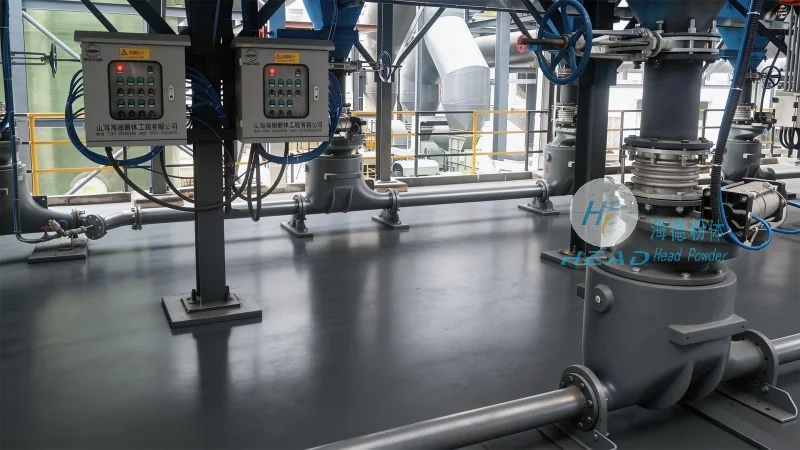
Pneumatic conveying systems from HeadPowder are widely used in various stages of oat processing and storage. In storage facilities, the technology enables the efficient transfer of oats from silos or bins to processing lines, reducing manual handling and the risk of contamination. During processing, such as cleaning, grading, or milling, pneumatic conveyors ensure that oats are moved smoothly between different equipment, maintaining consistent flow rates and preventing bottlenecks. For packaging operations, the system can deliver oats directly to filling machines, streamlining the production line and improving overall efficiency. The versatility of these systems also makes them suitable for handling byproducts or waste materials from oat processing, contributing to a more sustainable and integrated operation.
Advantages Over Traditional Conveying Methods
Compared to traditional mechanical conveyors like belt or screw conveyors, pneumatic conveying offers several distinct advantages for oat transportation. One of the most significant benefits is the reduced risk of product contamination, as the system operates in a closed pipeline, minimizing exposure to external elements or contaminants. This is particularly important for oats used in food applications, where hygiene is paramount. Additionally, pneumatic systems are more flexible in terms of layout and routing, allowing for complex and customized setups that can adapt to the specific geometry of a facility. The ability to handle both dry and slightly moist oats without clogging or degradation is another advantage, as the system's design prevents material buildup and ensures consistent performance. Energy efficiency is also a key factor, as modern pneumatic conveying systems use optimized air flow and pressure control to minimize energy consumption while maintaining high throughput.
Customization and After-Sales Support from HeadPowder
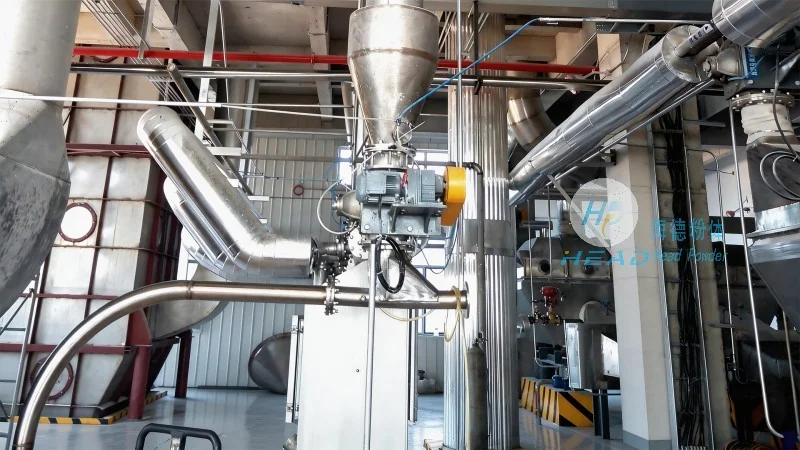
HeadPowder understands that each oat processing facility has unique requirements, which is why they offer comprehensive customization options for their pneumatic conveying systems. Customers can work with the company's engineering team to design a system that matches their specific production capacity, space constraints, and operational needs. From the selection of appropriate air pumps and filters to the configuration of pipeline layouts, every aspect of the system is tailored to ensure optimal performance. After the system is installed, HeadPowder provides comprehensive after-sales support, including maintenance services, spare parts availability, and technical assistance. This commitment to customer support ensures that clients can rely on their equipment for long-term, reliable operation, minimizing downtime and maximizing productivity.