

Types, Characteristics, and Applications of Nitrile Rubber Pneumatic Conveying
Nitrile rubber pneumatic conveying systems represent a specialized technology used in material handling, particularly for handling nitrile rubber and related compounds. These systems are designed to transport bulk materials through a pipeline using air or gas as the conveying medium. Understanding the types, key characteristics, and diverse application scopes of such systems is crucial for industries that rely on efficient and reliable material transport. This article provides an in-depth exploration of nitrile rubber pneumatic conveying, covering its fundamental principles, operational variations, and practical applications.
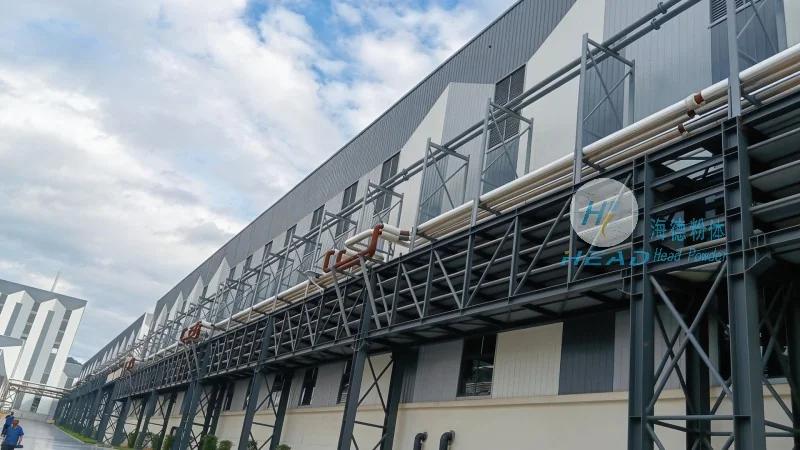
Overview of Nitrile Rubber Pneumatic Conveying Systems
Nitrile rubber, also known as nitrile butadiene rubber (NBR), is a synthetic polymer widely used in industrial applications due to its excellent resistance to oil, fuel, and chemicals. Pneumatic conveying systems for nitrile rubber are engineered to handle the unique properties of this material, ensuring minimal degradation and efficient transport. The core principle involves creating a pressure differential within a pipeline, which propels the material forward using compressed air or other gases. This method offers advantages such as reduced equipment wear, lower maintenance costs, and the ability to handle materials in a closed system, minimizing dust and contamination.
Types of Nitrile Rubber Pneumatic Conveying Systems
There are primarily two main types of pneumatic conveying systems used for nitrile rubber: dilute-phase and dense-phase systems. Each type has distinct operational characteristics and is suited to different material handling requirements.
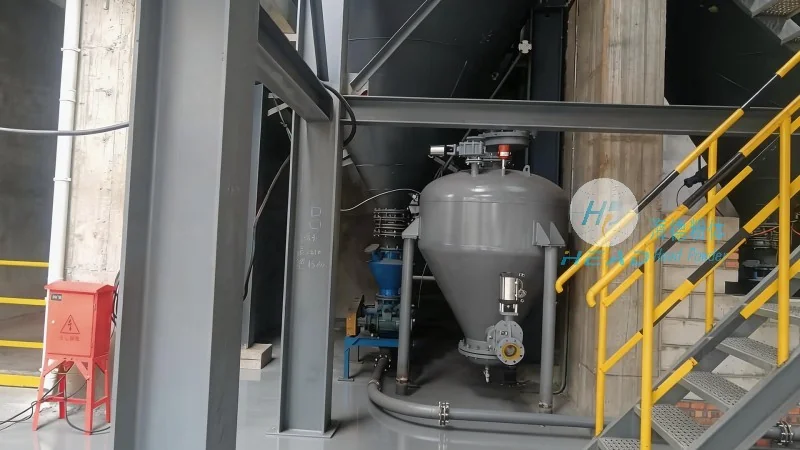
Dilute-Phase Pneumatic Conveying
Dilute-phase systems operate by transporting material in a relatively low concentration within the conveying air. This method is typically used for materials that are free-flowing and non-abrasive, such as nitrile rubber granules or powders. The system uses high air velocities (often exceeding 20 m/s) to keep the material suspended in the air stream. Key advantages of dilute-phase conveying include high material throughput, low pressure drop, and suitability for long-distance transport. However, it may require larger air volumes and can be less efficient for handling fine powders or materials with high moisture content.
Dense-Phase Pneumatic Conveying
Dense-phase systems, also known as low-velocity or pressure conveying, transport material in a higher concentration, often at air velocities below 10 m/s. This method is ideal for handling materials that are more cohesive or have higher moisture content, as it reduces the risk of material degradation and blockages. Dense-phase systems typically use higher air pressure and lower air volume compared to dilute-phase systems. They are particularly effective for transporting nitrile rubber in the form of pellets or larger particles, ensuring consistent flow and minimizing product damage.
Key Characteristics of Nitrile Rubber Pneumatic Conveying
The effectiveness of nitrile rubber pneumatic conveying systems is determined by several critical characteristics that influence performance and reliability. These include material properties, system design, and operational parameters.
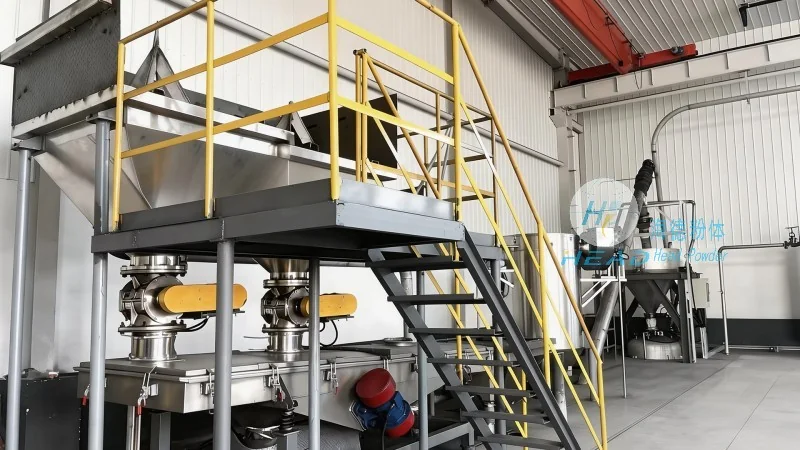
Material Properties
Nitrile rubber's resistance to oil and chemicals makes it suitable for conveying in environments where other materials might degrade. However, its relatively high density and cohesive nature require specific system configurations to ensure smooth transport. The system must be designed to handle the material's tendency to stick to surfaces or form agglomerates, which can impede flow. Proper material preparation, such as drying and size reduction, is essential to maintain optimal conveying performance.
System Design and Components
Nitrile rubber pneumatic conveying systems consist of several key components, including a hopper, feeder, pipeline, and receiver. The hopper stores the material and feeds it into the system, while the feeder controls the flow rate. The pipeline is designed to withstand the pressure and temperature conditions of the conveying process, often made from materials resistant to nitrile rubber and its chemicals. The receiver collects the conveyed material and may include filtration or separation equipment to remove any residual air or dust. The choice of components, such as the type of air compressor and filter, significantly impacts system efficiency and longevity.