

Types, Characteristics, and Application Ranges of Limestone Powder Pneumatic Conveying
For industrial operations involving limestone powder, efficient material handling is crucial. Pneumatic conveying systems offer a reliable solution for transporting limestone powder, and understanding the different types, key features, and application ranges is essential for optimizing processes and ensuring operational efficiency. This article provides an overview of the various pneumatic conveying systems used for limestone powder, highlighting their characteristics and typical applications. The information is based on the expertise of Shandong HeadPowder Engineering Co., Ltd., a leading provider of material handling solutions for industrial powders.
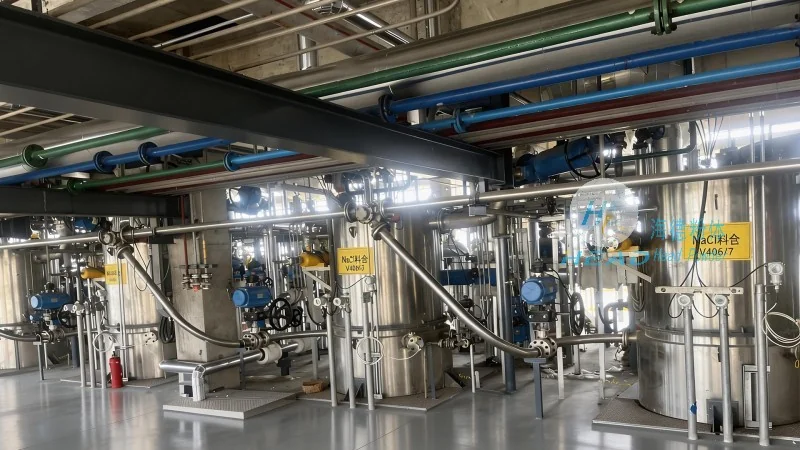
Introduction to Limestone Powder Pneumatic Conveying
Limestone powder, a common raw material in industries such as construction, chemical manufacturing, and environmental treatment, requires specialized handling due to its fine particle size and potential dust generation. Pneumatic conveying systems utilize air or gas to transport dry powders like limestone powder, offering advantages over traditional mechanical conveying methods. These systems are designed to handle the unique properties of limestone powder, including its density, flowability, and potential reactivity, ensuring safe and efficient material transport.
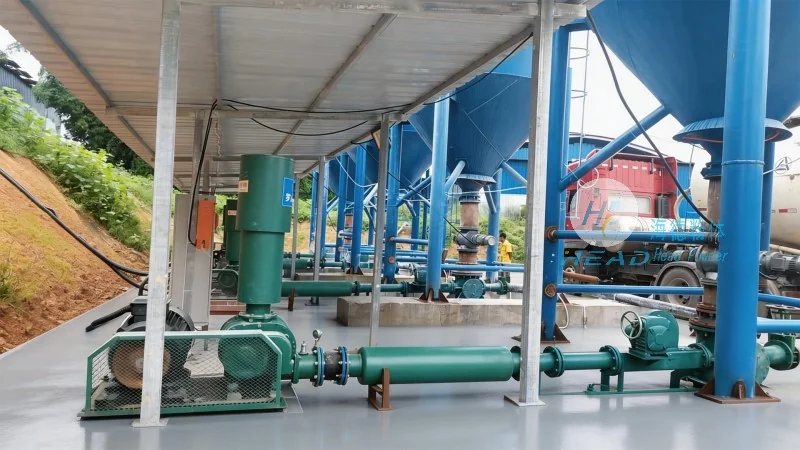
Types of Pneumatic Conveying Systems for Limestone Powder
There are several types of pneumatic conveying systems suitable for limestone powder, each with distinct characteristics and operational principles. The primary types include:
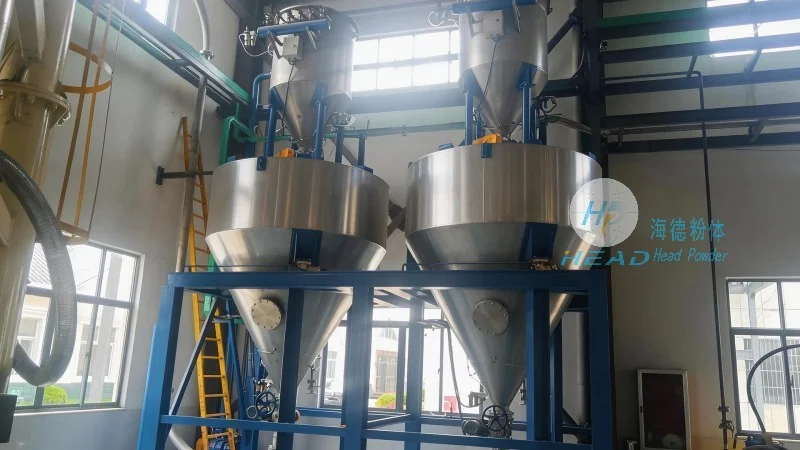
- Positive Pressure Systems: These systems use a blower or compressor to generate positive pressure, pushing the limestone powder through the conveying line. Positive pressure systems are ideal for short to medium distances and are effective for transporting powders with good flowability. They are commonly used in applications where the powder is to be discharged into a single point or a small number of destinations.
- Negative Pressure (Vacuum) Systems: Negative pressure systems create a vacuum to draw the limestone powder from the source and transport it to the destination. This type of system is suitable for longer distances and multiple discharge points, as it can handle powders with varying flow characteristics. Negative pressure systems are often preferred for applications where dust control is a priority, as the entire system operates under a negative pressure, preventing dust from escaping.
- Combined Pressure-Vacuum Systems: As the name suggests, these systems combine both positive and negative pressure principles. They use a blower to create positive pressure in the conveying line while also incorporating vacuum components to handle the material at the source. Combined systems offer flexibility and can be adapted to various operational requirements, making them suitable for complex conveying tasks involving limestone powder.
Key Features of Limestone Powder Pneumatic Conveying Systems
When selecting a pneumatic conveying system for limestone powder, several key features should be considered to ensure optimal performance and reliability. These features include:
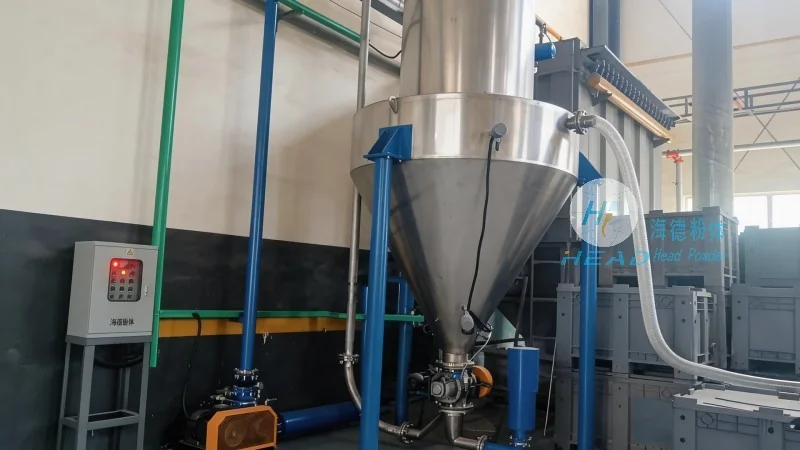
- Material Compatibility: The system components, such as the hopper, pipeline, and valves, must be compatible with limestone powder to prevent corrosion, abrasion, or degradation. Materials like stainless steel, polyethylene, or specialized coatings are often used to withstand the chemical and physical properties of limestone powder.
- Flow Control and Regulation: Proper flow control is essential to maintain consistent material transport rates and prevent blockages or surges. Features like variable speed drives, pressure regulators, and flow meters help in regulating the flow of limestone powder, ensuring smooth and efficient conveying.
- Dust Control and Filtration: Limestone powder is a fine material that can generate dust during handling. Effective dust control measures, including dust collectors, filters, and sealed systems, are critical to maintain air quality and comply with environmental regulations. Advanced filtration systems can capture fine particles, reducing emissions and improving workplace safety.
- Energy Efficiency: Modern pneumatic conveying systems are designed to be energy-efficient, minimizing operational costs. Features like variable frequency drives, optimized air flow, and efficient blower designs help in reducing energy consumption while maintaining the required conveying capacity.
Application Ranges of Limestone Powder Pneumatic Conveying
Limestone powder pneumatic conveying systems are widely used in various industrial applications, each with specific requirements and operational conditions. The following are common application ranges: