

Types and Practical Applications of Pneumatic Conveying Systems for Sodium Fluorosilicate Transport
Pneumatic conveying systems have emerged as a critical technology in the handling and transportation of sodium fluorosilicate, a key chemical widely used in industrial applications such as glass manufacturing, water treatment, and chemical synthesis. As industries seek efficient, reliable, and safe methods to manage bulk materials, the role of pneumatic conveying systems becomes increasingly vital. This article explores the different types of pneumatic conveying systems and their practical applications in the context of sodium fluorosilicate transport, highlighting the benefits and considerations for operators in the field.
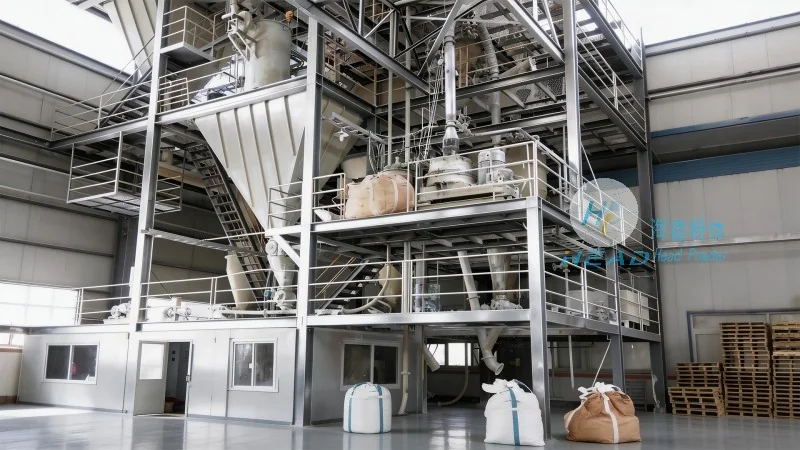
Types of Pneumatic Conveying Systems
There are primarily two main categories of pneumatic conveying systems: positive pressure and negative pressure systems. Each type offers distinct advantages and is suited to different operational requirements.
Positive pressure systems, also known as pressure conveying, operate by blowing air or gas into the material to move it through the system. This method is often preferred for long-distance or high-capacity transport, as it can handle a wide range of materials, including abrasive or corrosive substances like sodium fluorosilicate. The system typically consists of a blower, a hopper, and a pipeline network that transports the material to the destination. Positive pressure systems are effective in preventing dust emissions and maintaining a positive pressure environment, which is beneficial for controlling contamination and ensuring product quality.
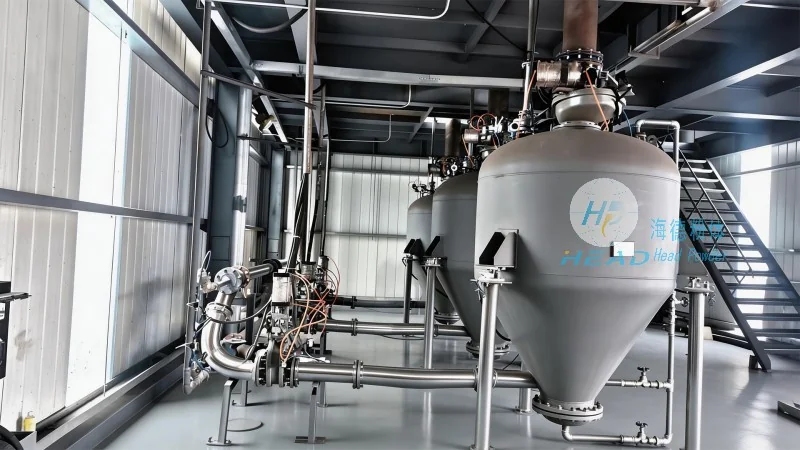
Negative pressure systems, or vacuum conveying, work by creating a vacuum at the receiving end to draw material from the source. This approach is ideal for short-distance transport or when the material needs to be handled in a clean environment. Negative pressure systems are particularly useful for handling fine powders or materials that are sensitive to air exposure. They often require more complex filtration and maintenance to prevent dust buildup and ensure system efficiency.
Practical Applications in Sodium Fluorosilicate Handling
In the production and processing of sodium fluorosilicate, pneumatic conveying systems are employed in various stages to ensure smooth material flow. For instance, in a glass manufacturing plant, sodium fluorosilicate is used as a flux to lower the melting point of silica. The material is typically stored in bulk and needs to be conveyed from storage silos to the glass melting furnace. A positive pressure pneumatic system is commonly used here due to the long distance and the need to maintain a consistent flow rate. The system can handle the abrasive nature of the material and minimize the risk of clogging in the pipeline.
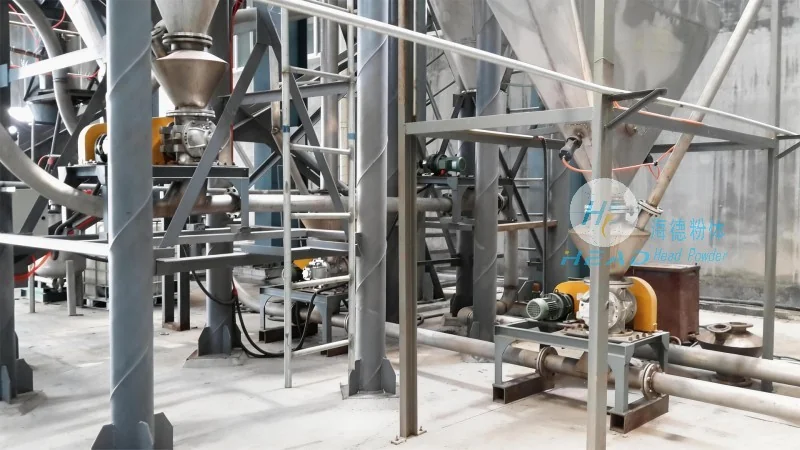
In water treatment facilities, sodium fluorosilicate is used as a coagulant to remove impurities from water. The chemical is stored in bulk and must be transported to the treatment tanks. A negative pressure system might be preferred in this scenario to avoid exposing the material to air, which could affect its reactivity. The system ensures that the material is delivered in a controlled manner, maintaining its effectiveness in the water treatment process.
Additionally, in chemical synthesis plants, sodium fluorosilicate is used as an intermediate in the production of other fluorine-based compounds. The material is often transferred between reactors and storage tanks. Pneumatic conveying systems provide a flexible and efficient method for this transfer, allowing for precise control over the flow rate and preventing material degradation due to exposure to air or moisture.
Key Features and Advantages of the Systems
The choice of a pneumatic conveying system for sodium fluorosilicate transport depends on several factors, including the material's properties, the distance of transport, and the operational environment. Positive pressure systems offer higher capacity and are more suitable for long-distance transport, while negative pressure systems are better for short distances and cleanroom applications. Both systems provide advantages such as reduced labor costs, improved safety by minimizing manual handling, and enhanced product quality through controlled material flow.
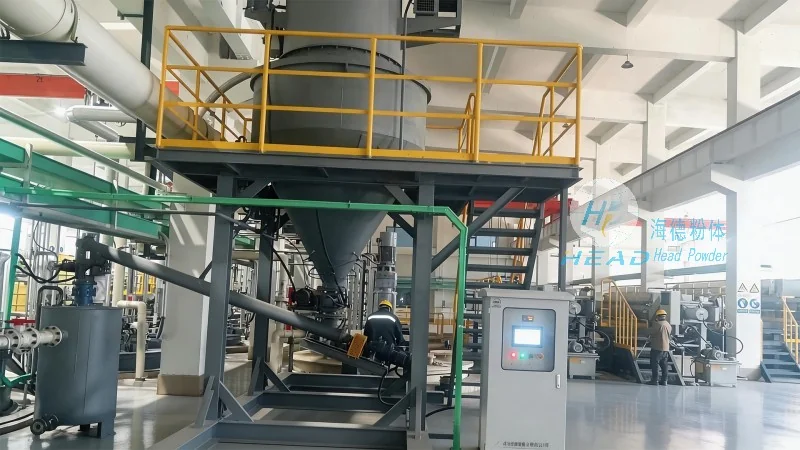
Modern pneumatic conveying systems also incorporate advanced features such as automated control systems, real-time monitoring, and energy-efficient designs. These features help operators optimize the system's performance, reduce energy consumption, and maintain consistent material quality. For example, headpowder, a leading provider of bulk material handling solutions, offers customized pneumatic conveying systems tailored to the specific needs of sodium fluorosilicate users. Their systems are designed to handle the unique challenges of fluorosilicate, including its abrasive nature and potential for dust generation.
Conclusion and Company Overview
Pneumatic conveying systems play a crucial role in the efficient and safe transport of sodium fluorosilicate across various industrial applications. By understanding the different types of systems and their practical applications, industries can select the most appropriate solution to meet their operational requirements. The benefits of these systems, including improved efficiency, reduced costs, and enhanced safety, make them a preferred choice for bulk material handling. As a professional supplier, Shandong HeadPowder Engineering Co., Ltd., located in Shandong, China, specializes in providing high-quality pneumatic conveying systems and related services to meet the diverse needs of sodium fluorosilicate users worldwide.