

Types and Practical Applications of Pneumatic Conveying Systems in Ternary Material Transportation
When it comes to the efficient and reliable transportation of ternary materials, pneumatic conveying systems have emerged as a critical solution in industrial applications. These systems utilize air or gas to move bulk materials through a pipeline network, offering advantages such as reduced contamination, improved safety, and enhanced process control. In this article, we explore the different types of pneumatic conveying systems commonly used for ternary materials and their practical applications in various industrial settings.
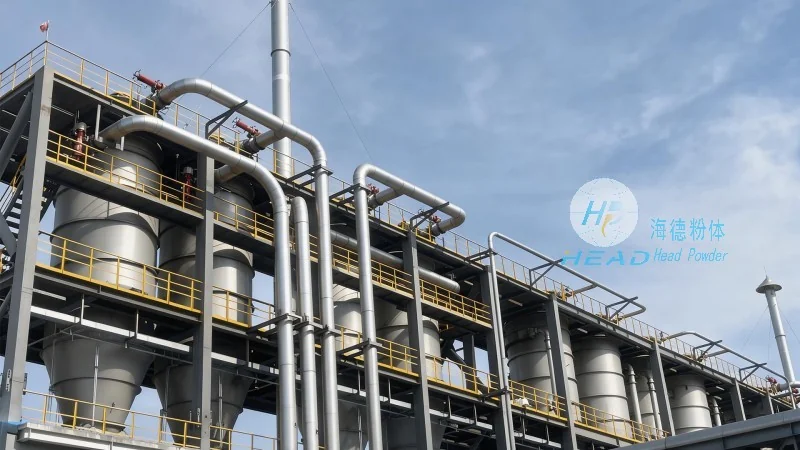
Types of Pneumatic Conveying Systems
There are primarily two main categories of pneumatic conveying systems: positive pressure and negative pressure systems. Each type has distinct characteristics and is suitable for different material properties and operational requirements.
Positive Pressure Pneumatic Conveying Systems
Positive pressure systems operate by blowing air or gas into the conveying line, creating a pressure higher than the ambient air pressure. This method is ideal for materials that are prone to dust generation or require airtight handling. The system typically includes a blower, a hopper, and a discharge point. The positive pressure ensures that the material is continuously moved through the pipeline, minimizing the risk of clogging and ensuring consistent flow rates. For ternary materials, which often have fine particles and are sensitive to moisture or contamination, positive pressure systems provide a controlled environment that maintains material integrity.
Negative Pressure Pneumatic Conveying Systems
Negative pressure systems, also known as vacuum systems, work by creating a vacuum in the conveying line, drawing material from the source into the system. This approach is commonly used for short-distance conveying or when the material needs to be transported from a lower elevation to a higher one. The system consists of a vacuum pump, a hopper, and a collection point. Negative pressure systems are particularly effective for handling materials that are lightweight or have a tendency to float in air. However, they may require more maintenance and are less suitable for long-distance or high-volume applications compared to positive pressure systems.

Practical Applications of Pneumatic Conveying Systems in Ternary Material Handling
The practical application of pneumatic conveying systems in ternary material transportation is widespread across various industries. Ternary materials, which typically consist of three components (e.g., lithium, cobalt, nickel in battery materials), are often used in the production of rechargeable batteries, cathode materials, and other high-tech products. The need for precise and clean material handling is paramount in these applications, as any contamination or loss of material can significantly impact product quality and efficiency.
Application in Battery Material Production
In the battery industry, the transportation of ternary materials such as lithium cobalt oxide (LCO), lithium nickel manganese cobalt oxide (NMC), and lithium iron phosphate (LFP) is crucial. Pneumatic conveying systems are used to move these materials from storage silos to processing lines, ensuring that the materials are handled without exposure to the environment. For example, in the production of NMC cathode materials, positive pressure systems are often employed to transport the mixed powders from the mixing stage to the pelletizing or pressing equipment. The controlled air flow helps maintain the particle size distribution and prevents agglomeration, which is critical for achieving uniform battery performance.
Application in Chemical Processing
Chemical processing facilities that utilize ternary materials for the production of specialty chemicals or catalysts also benefit from pneumatic conveying systems. These systems are used to transport raw materials from storage to reactors or processing units. The ability to handle fine powders and maintain a sterile environment is essential in chemical applications, as any contamination can lead to product defects or safety hazards. Shandong HeadPowder Engineering Co., Ltd., a leading provider of material handling solutions, offers customized pneumatic conveying systems tailored to the specific needs of chemical processing plants. Their systems are designed to handle materials with varying particle sizes and moisture content, ensuring reliable and efficient material transport.
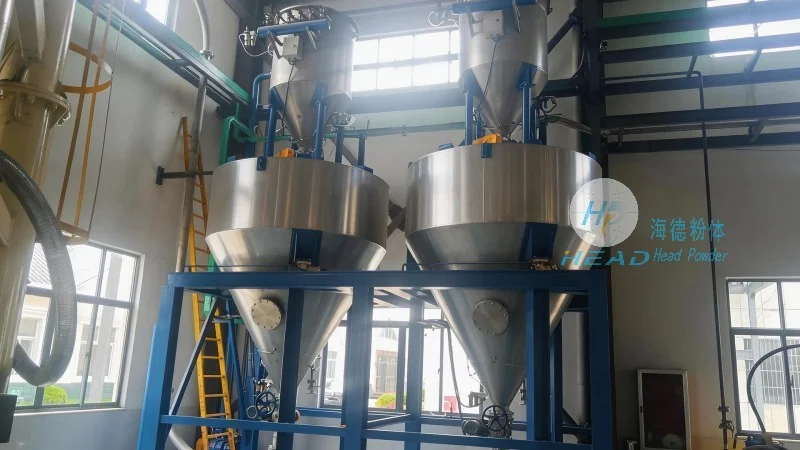
Application in Pharmaceutical and Food Industries
While less common for traditional ternary materials, some specialized applications involve the handling of materials in the pharmaceutical and food sectors. Pneumatic conveying systems are used to transport powders that require strict hygiene and contamination control. In these industries, the systems are often equipped with additional features such as air filtration and sterilization to meet regulatory standards. The positive pressure systems are preferred in these applications due to their ability to maintain a clean and controlled environment, preventing the ingress of contaminants from the surrounding air.
Key Considerations for Selecting Pneumatic Conveying Systems
When selecting a pneumatic conveying system for ternary material transportation, several factors must be considered to ensure optimal performance and efficiency. The first consideration is the material properties, including particle size, density, moisture content, and flowability. Materials with high moisture content or cohesive properties may require specialized equipment such as rotary valves or agitators to prevent clogging. The second factor is the conveying distance and volume requirements. For long-distance or high-volume applications, positive pressure systems are generally more suitable due to their higher conveying capacity and ability to handle larger particle sizes. The third consideration is the system's integration with existing infrastructure. The design of the system should align with the plant layout and process flow to minimize installation costs and downtime.
Conclusion
Pneumatic conveying systems play a vital role in the efficient and safe transportation of ternary materials across various industrial sectors. By understanding the different types of systems and their practical applications, industries can select the most appropriate solution to meet their material handling needs. Shandong HeadPowder Engineering Co., Ltd. specializes in providing customized pneumatic conveying systems that cater to the unique requirements of ternary material transportation, ensuring reliable operation and product quality. With their expertise in material handling technology, HeadPowder continues to be a trusted partner for industries seeking advanced solutions for their material transport challenges.