

Types and Practical Applications of Pneumatic Conveying Systems for Water Glass Transportation
Water glass, also known as sodium silicate, is a widely used industrial chemical in sectors like glass manufacturing, foundry, and chemical processing. Its unique properties, such as high viscosity and reactivity, pose challenges during transportation. Pneumatic conveying systems have become an effective solution for handling water glass efficiently and safely. This article examines the types of pneumatic conveying systems suitable for water glass transportation and their practical applications in industrial settings.
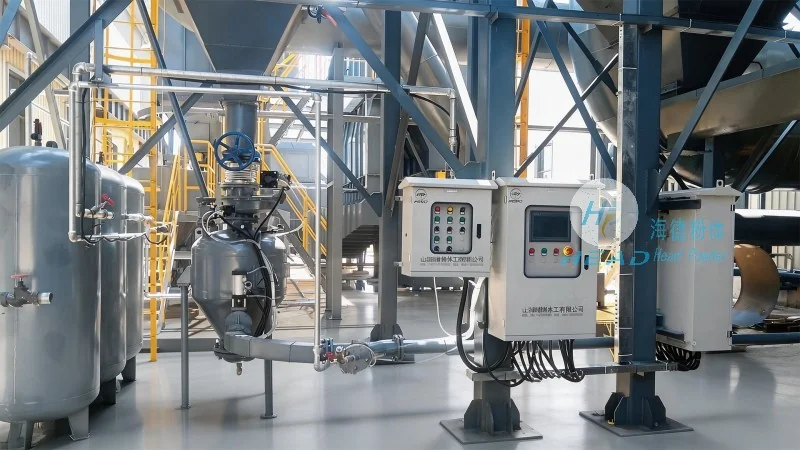
Types of Pneumatic Conveying Systems for Water Glass
Three primary types of pneumatic conveying systems are commonly used for water glass: suction-type, pressure-type, and mixed-type systems. The choice depends on the application's specific requirements.
Suction-Type Pneumatic Conveying Systems
Suction-type systems create negative pressure to draw material from the source. Ideal for short distances or lower elevations, they consist of a vacuum pump, hopper, and conveying line. The water glass is fed into the hopper, and the vacuum pump pulls it through the line. This method is effective for dilute or slurry forms of water glass, maintaining consistent flow without high pressure.
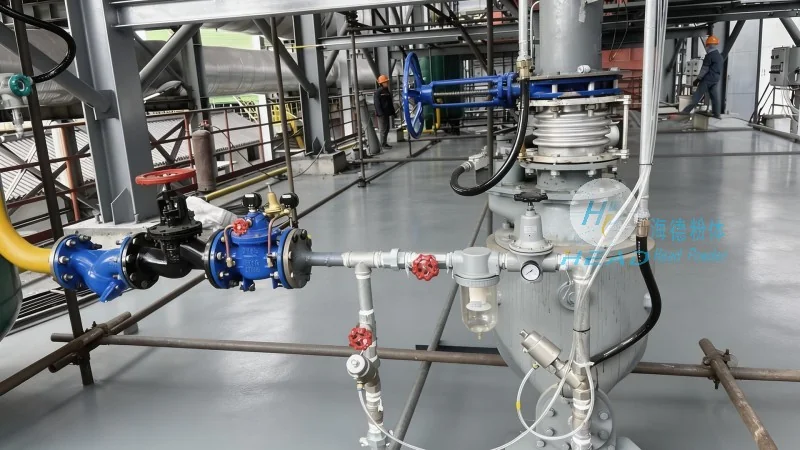
Pressure-Type Pneumatic Conveying Systems
Pressure-type systems use positive pressure to push material through the line, suitable for longer distances or higher elevations. They include a blower/compressor, hopper, and pressure line. The water glass is fed into the hopper, and the blower forces it through the line. These systems handle higher loads and maintain stable flow, ideal for concentrated or viscous water glass.
Mixed-Type Pneumatic Conveying Systems
Mixed-type systems combine suction and pressure elements, offering flexibility for varying elevations or complex piping. They adapt to changes in flow rate and pressure, making them suitable for diverse material characteristics and distances.
Practical Applications of Pneumatic Conveying Systems in Water Glass Handling
In glass manufacturing, water glass serves as a flux and binder. Pneumatic conveying systems efficiently transfer it from storage to production lines, ensuring consistent supply and reducing downtime. In foundry applications, water glass acts as a refractory material and mold binder. Controlled transportation maintains mold quality and improves casting processes. In chemical processing, water glass is used in detergents and adhesives. These systems enable safe, hygienic transport, minimizing contamination and enhancing product quality. They also reduce labor costs and improve workplace safety by eliminating manual handling.
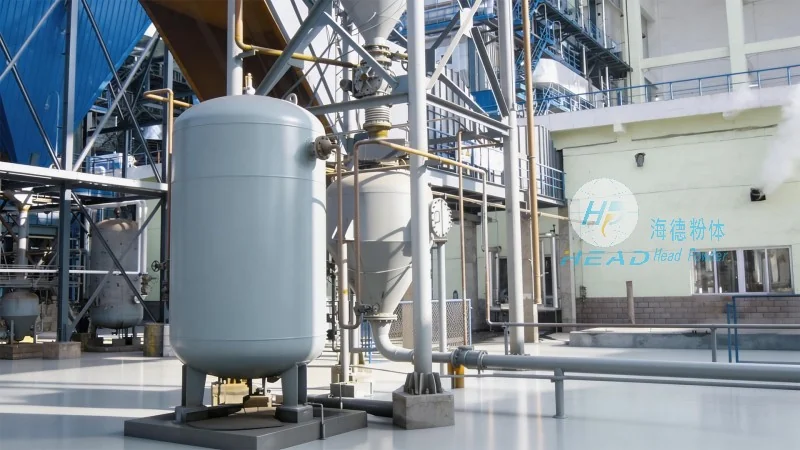
Key Considerations for Selecting the Right Pneumatic Conveying System
When choosing a system, consider water glass properties (viscosity, density, particle size), distance/elevation changes, required flow rate/capacity, and cost/maintenance. The system must handle material characteristics effectively and meet production demands without blockages or inefficiencies.
Conclusion
Pneumatic conveying systems are vital for efficient and safe water glass transportation in various industries. Understanding system types and applications helps industries select the best solution. These systems enhance operational efficiency, workplace safety, and product quality. As water glass demand grows, reliable systems become increasingly important. For optimizing water glass handling, partnering with engineering experts like Shandong HeadPowder Engineering Co., Ltd. provides the expertise and solutions needed for optimal results.