

Principles and Classification Applications of Dust Pneumatic Conveying
For industries dealing with bulk material handling, efficient and reliable dust transport is crucial. Pneumatic conveying systems offer a versatile solution for moving powders and granules over varying distances. This article explores the fundamental principles of dust pneumatic conveying, outlines the main classification methods, and discusses practical applications across different sectors. The information is presented by Shandong HeadPowder Engineering Co., Ltd., a leading provider in the field, with a focus on technical clarity and real-world implementation.
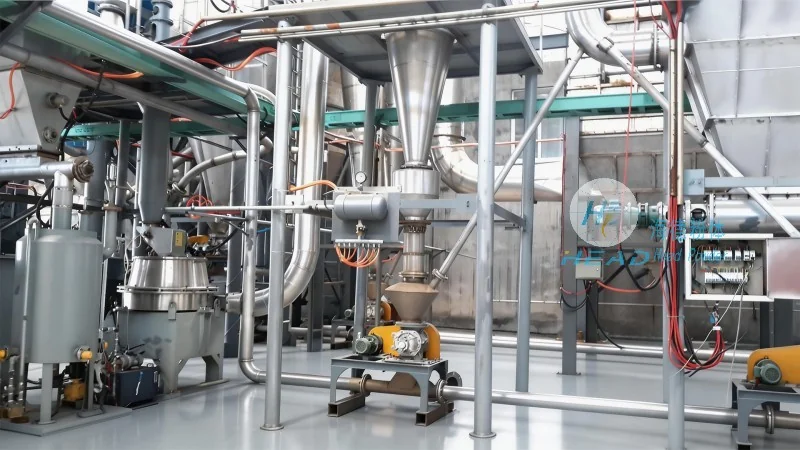
Understanding the Core Principles of Pneumatic Conveying
Pneumatic conveying relies on the movement of a material (dust or powder) suspended in a stream of air. The process can be categorized into two primary types: pressure and vacuum (or suction) systems. In pressure systems, air is compressed and forced through a pipeline, carrying the material from the source to the destination. Vacuum systems, conversely, use a fan or blower to create a negative pressure that draws material into the pipeline. The choice between these systems depends on factors such as the material's properties, the distance to be covered, and the required flow rate. The efficiency of the system is influenced by several key parameters, including air velocity, pipeline diameter, and the material's density and particle size. Proper design ensures that the material remains suspended and transported without excessive pressure drop or particle degradation.
Classification of Pneumatic Conveying Systems
Pneumatic conveying systems are broadly classified based on the method of material introduction and the pressure differential within the system. The main categories include:
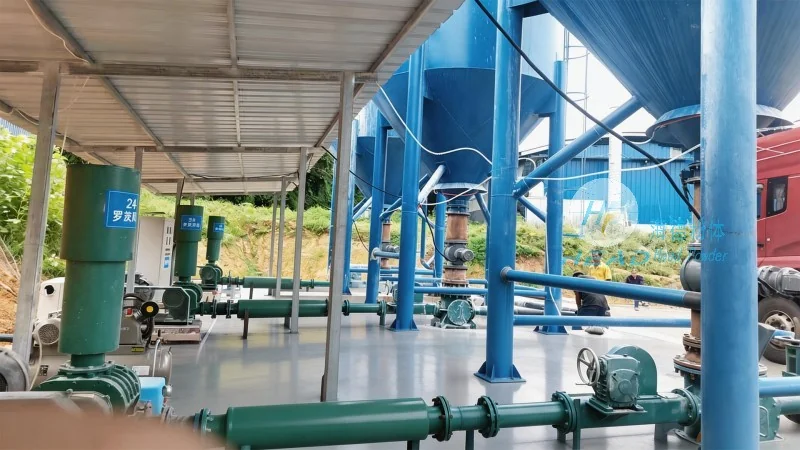
- Absorption Type (Suction Type): This system operates under negative pressure, drawing material from a hopper or storage bin into the pipeline. It is commonly used for short to medium distances and for materials that are not too fine or abrasive. The system typically includes a fan or vacuum pump at the receiving end to create the suction effect.
- Pressure Type (Compression Type): In this system, compressed air is used to push material through the pipeline. It is suitable for longer distances and for materials that are more difficult to convey, such as fine powders or those with high moisture content. The pressure system often features a blower or compressor at the source end, ensuring consistent material flow.
- Combined Type: This hybrid approach combines elements of both suction and pressure systems. It may use a vacuum at the source to draw material into a primary line and then a pressure boost to transport it over longer distances. This configuration is ideal for complex layouts where both short and long segments are involved.
Each classification has its advantages and limitations, and the selection depends on the specific requirements of the application. For example, suction systems are generally more cost-effective for short distances but may struggle with high-density or fine powders. Pressure systems, while more expensive to install, offer greater flexibility and can handle a wider range of materials.
Practical Applications in Various Industries
Pneumatic conveying is widely used across multiple industries due to its ability to handle a diverse range of materials. In the pharmaceutical industry, it is employed to transport powders and granules with strict hygiene and contamination control requirements. The systems are often designed with stainless steel components and sealed pipelines to maintain product integrity. In the food processing sector, pneumatic conveyors are used to move ingredients like flour, sugar, and spices, ensuring minimal product degradation and maintaining sanitary conditions. The food-grade materials and components used in these systems meet regulatory standards for food safety.
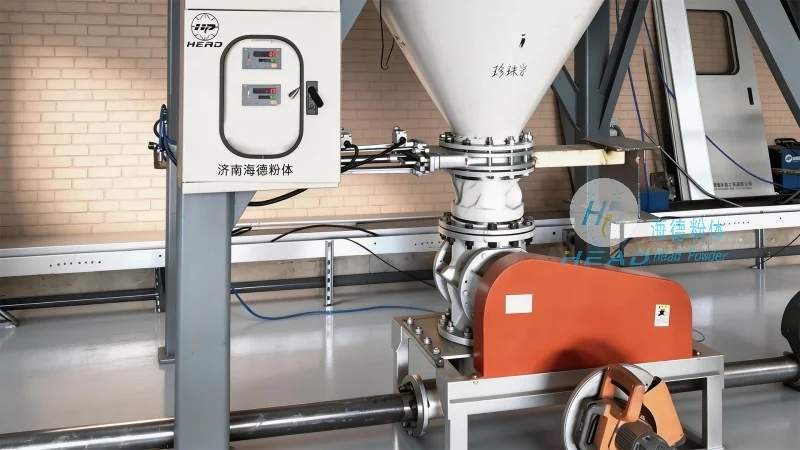
In the chemical industry, pneumatic conveying is crucial for handling powders and granules that may be hazardous or reactive. The systems are equipped with safety features such as explosion-proof designs and material handling controls to prevent accidents. The ability to transport materials in a closed system also minimizes environmental exposure and ensures compliance with environmental regulations. For example, in the production of fertilizers or pigments, pneumatic conveyors efficiently move raw materials from storage to processing units.
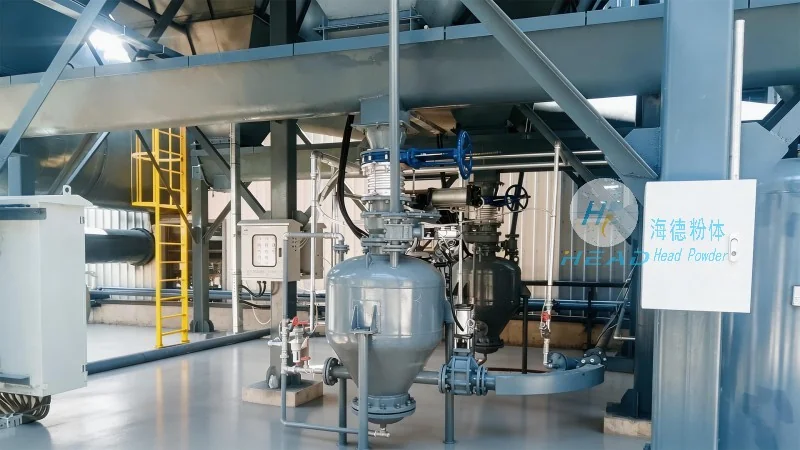
In the mining and minerals sector, pneumatic conveying is used to transport bulk materials like coal, ore, and tailings. The systems are designed to handle abrasive and high-volume materials, with robust pipelines and wear-resistant components. The use of pneumatic conveyors reduces the need for manual handling and improves safety in mining operations. Additionally, the technology is increasingly used in recycling facilities to transport recycled materials, contributing to sustainable waste management practices.
Company Profile: Shandong HeadPowder Engineering Co., Ltd.
Shandong HeadPowder Engineering Co., Ltd., operating under the brand name headpowder, is a professional manufacturer and supplier of pneumatic conveying equipment. The company is headquartered in Shandong, China, and specializes in designing, manufacturing, and installing customized pneumatic conveying systems tailored to the needs of various industries. With years of experience in the field, headpowder has developed a reputation for high-quality products and reliable service. The company's team of engineers and technicians work closely with clients to understand their specific requirements and provide solutions that optimize material handling efficiency, reduce operational costs, and enhance safety. Headpowder's commitment to innovation and customer satisfaction has made it a trusted partner for businesses seeking efficient and effective dust transport solutions.