

Detailed Explanation of Feather Pneumatic Conveying Systems
Feather pneumatic conveying systems represent a specialized technology within the broader field of material handling and processing. These systems are designed to efficiently transport lightweight materials, such as feathers, powders, and fine granules, using air as the primary conveying medium. The technology offers several advantages over traditional mechanical conveying methods, including reduced equipment wear, lower maintenance requirements, and the ability to handle materials that are sensitive to abrasion or contamination.
Key Components of a Feather Pneumatic Conveying System
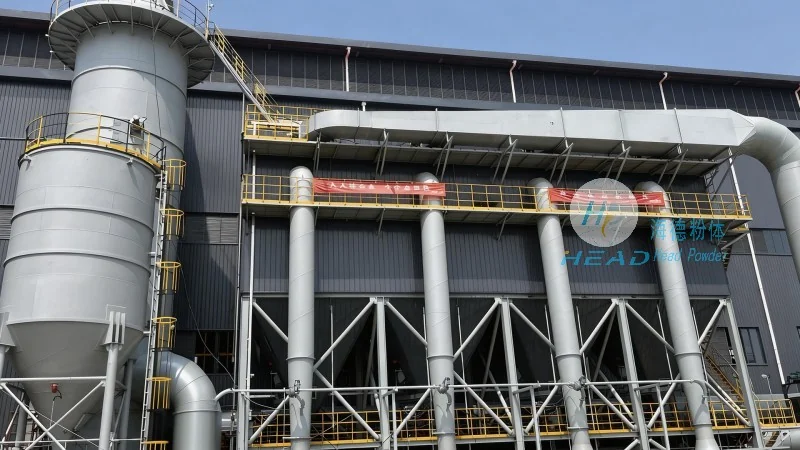
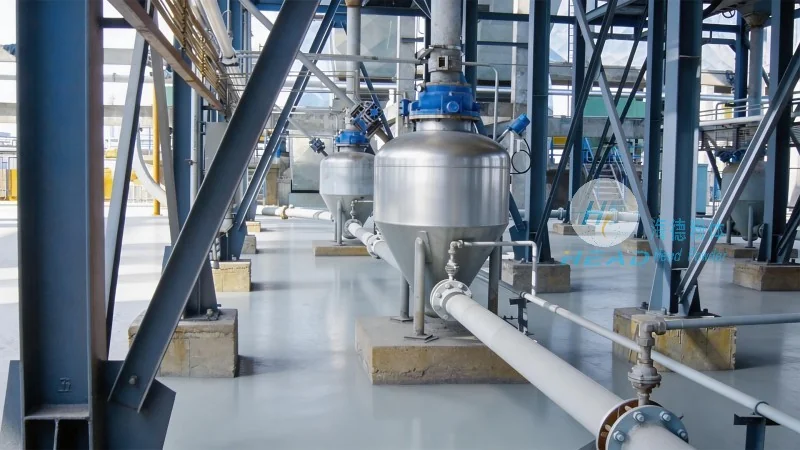
The core components of a feather pneumatic conveying system typically include a hopper for material storage, a blower or air compressor to generate the necessary airflow, a pipeline network to direct the material flow, and a receiver or discharge unit for the final product. The hopper is often equipped with a feeder to control the material feed rate, ensuring a consistent and controlled flow into the system. The blower provides the pressure or vacuum needed to move the material through the pipeline, with options ranging from positive pressure systems (where air pushes the material) to negative pressure systems (where air pulls the material). The pipeline network is constructed from materials like stainless steel or plastic, selected based on the material being conveyed and the system's operating conditions. The receiver is designed to collect the conveyed material and may include features like a filter or separator to remove any air or debris from the final product.
How Feather Pneumatic Conveying Works
The operation of a feather pneumatic conveying system involves several key steps. First, the material is fed from the hopper into the pipeline. The blower then generates a flow of air, which carries the material particles through the pipeline. In positive pressure systems, the air is forced through the pipeline, pushing the material along. In negative pressure systems, the air is drawn through the pipeline, pulling the material. The material is suspended in the air stream and transported to the receiver. The receiver may include a cyclone separator or other filtration equipment to separate the material from the air, ensuring that the final product is clean and free of contaminants. The system is typically controlled by a PLC (Programmable Logic Controller) or other automation equipment, which monitors the flow rate, pressure, and other parameters to maintain optimal performance.
Advantages of Using Feather Pneumatic Conveying Systems
Feather pneumatic conveying systems offer several advantages over traditional mechanical conveying methods. One of the primary benefits is the reduced risk of material contamination, as the system is enclosed and uses air as the conveying medium. This is particularly important for materials like feathers, which are sensitive to moisture or other environmental factors. Another advantage is the lower equipment wear and maintenance requirements, as there are fewer moving parts compared to mechanical conveyors. The systems are also more flexible, as they can be easily reconfigured or expanded to accommodate changes in production volume or material types. Additionally, feather pneumatic conveying systems can operate at higher speeds and over longer distances, making them suitable for large-scale industrial applications.
Applications of Feather Pneumatic Conveying Systems
Feather pneumatic conveying systems are widely used in various industries, including food processing, pharmaceuticals, and agriculture. In the food industry, these systems are used to transport ingredients like flour, sugar, and spices, as well as finished products like cookies and cakes. In the pharmaceutical industry, they are used to handle sensitive materials like powders and granules, ensuring that the products remain pure and free of contaminants. In agriculture, they are used to transport feathers from processing facilities to storage or processing plants. The systems are also used in other industries, such as chemical and plastics manufacturing, where lightweight materials need to be transported efficiently and safely.
Customization and Design Considerations
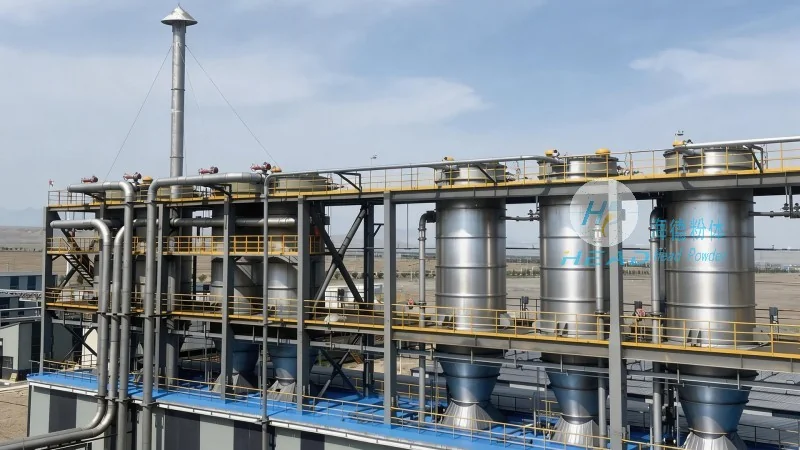
Feather pneumatic conveying systems are often customized to meet the specific needs of each application. The design of the system depends on several factors, including the material being conveyed, the required flow rate, the distance to be covered, and the operating environment. For example, a system handling fine powders may require a different pipeline diameter or air velocity compared to a system handling larger particles. The system may also include additional components, such as a filter or separator, to ensure the final product meets quality standards. The choice of materials for the hopper, pipeline, and other components is also critical, as they must be resistant to corrosion, abrasion, and other environmental factors. The system is typically designed and manufactured by specialized companies, such as Shandong HeadPowder Engineering Co., Ltd., which has expertise in the field and can provide tailored solutions for specific applications.
Maintenance and Operational Tips
Proper maintenance is essential to ensure the long-term performance and reliability of a feather pneumatic conveying system. Regular inspections should be conducted to check for any signs of wear or damage to the components, such as the blower, pipeline, or receiver. The system should also be cleaned regularly to remove any accumulated material or debris, which can affect performance. The air filter should be checked and replaced as needed to maintain optimal airflow. The system's controls should be monitored regularly to ensure that all parameters are within the specified range. Additionally, it is important to follow the manufacturer's guidelines for operation and maintenance to ensure the system operates safely and efficiently. By following these tips, users can maximize the lifespan and performance of their feather pneumatic conveying system.