

Oat Pneumatic Conveying Systems: A Detailed Overview
HeadPowder, a leading engineering company based in Shandong, China, specializes in the design and implementation of advanced pneumatic conveying systems tailored for agricultural products like oats. This article provides a comprehensive overview of such systems, highlighting their functionality, benefits, and the technical aspects that make them suitable for oat processing operations.
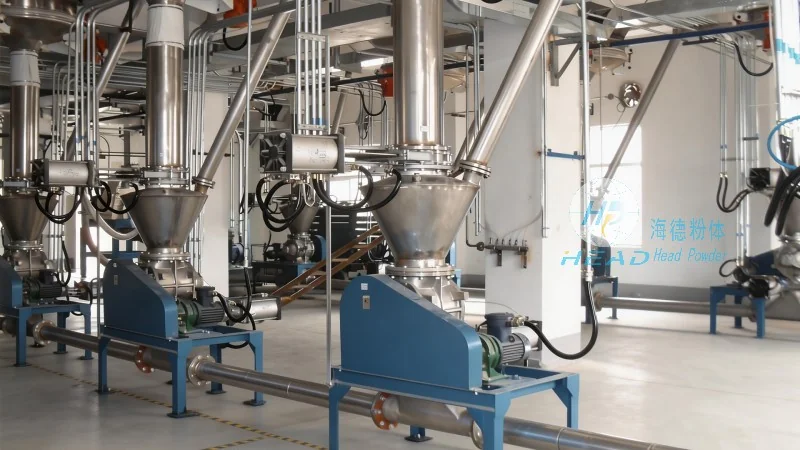
Key Components of Pneumatic Conveying Systems for Oats
A typical oat pneumatic conveying system consists of several critical components that work in tandem to transport oats efficiently. These include a hopper or storage silo for raw material storage, a rotary valve or feeder to control the flow of oats, a conveying line (often made of stainless steel or other corrosion-resistant materials), a vacuum or pressure pump to generate the necessary airflow, and a receiver or discharge hopper at the destination. The system may also incorporate filters, cyclones, or dust collection equipment to ensure air quality and prevent material loss.
How the System Operates
The operation of an oat pneumatic conveying system involves the following steps: First, oats are stored in the hopper. The rotary valve then regulates the amount of material released into the conveying line. The pump creates a vacuum or pressure that draws the oats into the line, where they are carried by the airflow. The system may use either a vacuum (suction) or pressure (blow) method, with vacuum systems being common for long-distance or gentle transport, and pressure systems for shorter distances or when higher material flow rates are required. The oats travel through the line until they reach the receiver, where they are deposited. The air, now containing fine particles, passes through filters or cyclones to separate the oats from the air, which is then either vented or recycled.
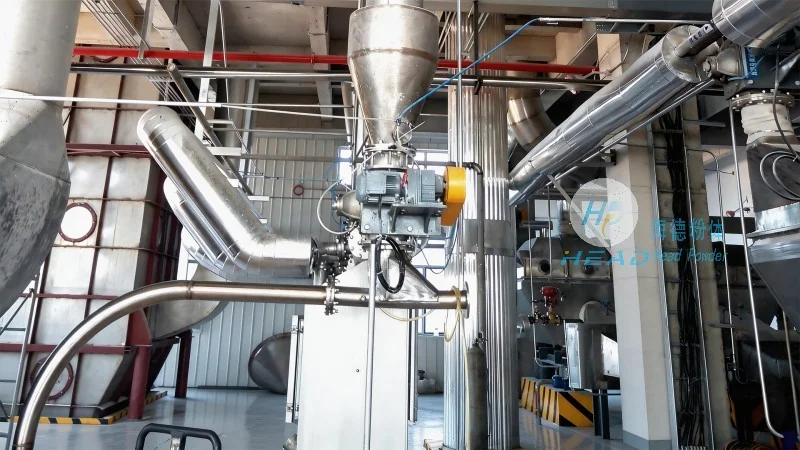
Benefits of Using Pneumatic Conveying for Oats
Implementing a pneumatic conveying system for oats offers numerous advantages over traditional methods like belt conveyors or bucket elevators. These benefits include: 1. Reduced Material Damage: The gentle handling of oats by the airflow minimizes breakage and bruising, preserving the quality and nutritional value of the grain. 2. Increased Efficiency: Pneumatic systems can transport large volumes of material quickly and continuously, improving production throughput. 3. Space Efficiency: The compact design of the conveying line allows for installation in limited spaces, making it ideal for facilities with space constraints. 4. Reduced Labor Costs: Automated feeding and conveying reduce the need for manual labor, lowering operational costs. 5. Improved Hygiene: The enclosed system prevents contamination from dust, pests, or external elements, ensuring the oats remain clean and safe for consumption.
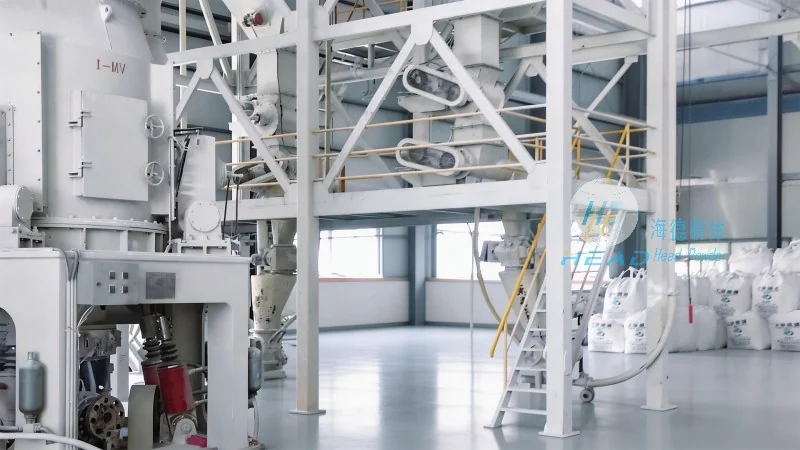
Technical Considerations and Customization
When selecting or designing an oat pneumatic conveying system, several technical factors must be considered to ensure optimal performance. These include the type of oats (e.g., whole grain, groats, or flour), the required flow rate, the distance between the source and destination, and the desired material handling capacity. HeadPowder engineers work closely with clients to assess these parameters and customize the system accordingly. For example, for high-volume oat processing facilities, a high-capacity pressure system may be recommended, while for smaller operations, a vacuum system with adjustable flow rates might be more suitable. The system's materials of construction (e.g., stainless steel, food-grade plastics) are also critical to prevent contamination and ensure compliance with food safety regulations.
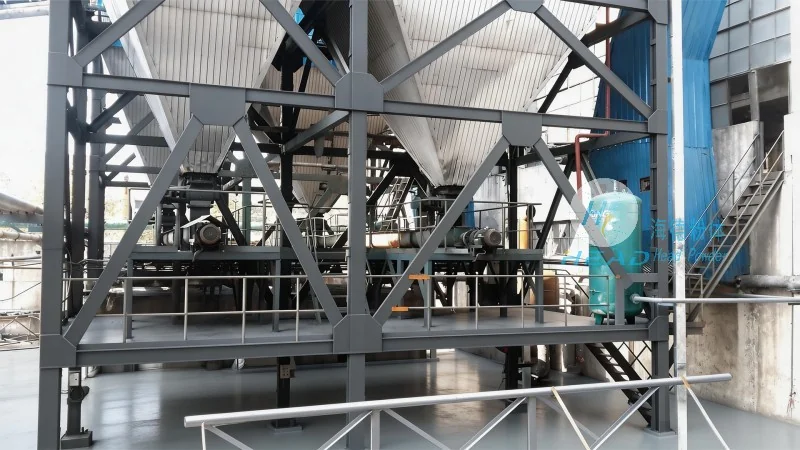
Maintenance and Durability
Proper maintenance is essential to ensure the longevity and reliability of an oat pneumatic conveying system. Regular cleaning of the conveying line, filters, and cyclones is necessary to prevent clogging and maintain airflow efficiency. The rotary valve and pump components should be inspected periodically for wear and tear, with replacement parts readily available from HeadPowder. The use of corrosion-resistant materials, such as stainless steel, helps extend the system's lifespan, especially in environments with high humidity or moisture. HeadPowder provides comprehensive maintenance services and spare parts to support clients' operations, ensuring minimal downtime and maximum system performance.
Conclusion
HeadPowder's expertise in designing and manufacturing oat pneumatic conveying systems demonstrates the company's commitment to providing efficient, reliable, and cost-effective solutions for the agricultural industry. By leveraging advanced engineering and tailored designs, these systems enhance the overall processing capabilities of oat operations, from storage to final product delivery. With a focus on quality, durability, and customer satisfaction, HeadPowder continues to be a trusted partner for businesses seeking to optimize their oat handling processes.