

Airflow Conveying Technology for Lithium-Ion Battery Positive Electrode Materials: Principles, Applications, and Development Trends
HeadPowder, a leading provider in the field, specializes in advanced material handling solutions tailored for the lithium-ion battery industry. This article explores the principles, practical applications, and emerging trends of airflow conveying technology specifically designed for positive electrode materials used in lithium-ion batteries. By understanding the core mechanisms and operational advantages, stakeholders in the battery manufacturing sector can optimize production efficiency and material management processes.
Principles of Airflow Conveying Technology
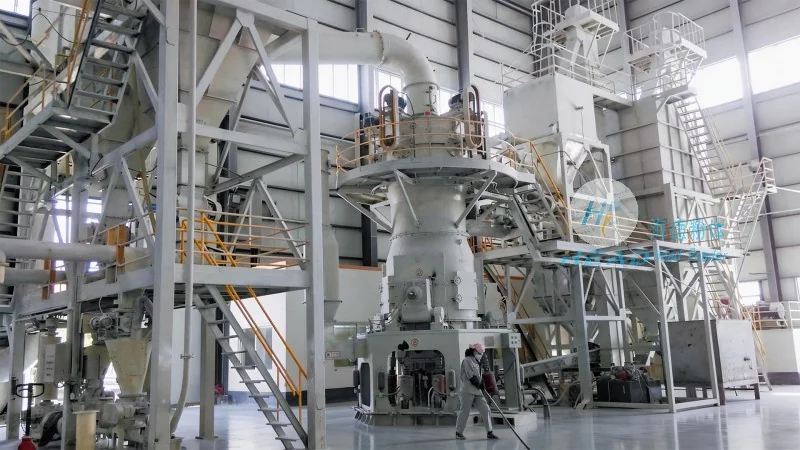
The fundamental principle of airflow conveying, also known as pneumatic conveying, involves the transport of bulk materials through a pipeline using pressurized or vacuum air. In the context of lithium-ion battery positive electrode materials, this technology enables the efficient movement of powders such as lithium cobalt oxide (LiCoO₂), lithium nickel manganese cobalt oxide (NMC), and lithium iron phosphate (LFP) from storage to processing units. The system typically comprises a hopper, a conveying line, and a receiver, with air flow controlled by valves and pressure regulators to ensure consistent material transport. This method offers advantages like reduced contamination, lower energy consumption compared to mechanical conveying systems, and the ability to handle materials with varying particle sizes and moisture content.
Applications in Lithium-Ion Battery Manufacturing
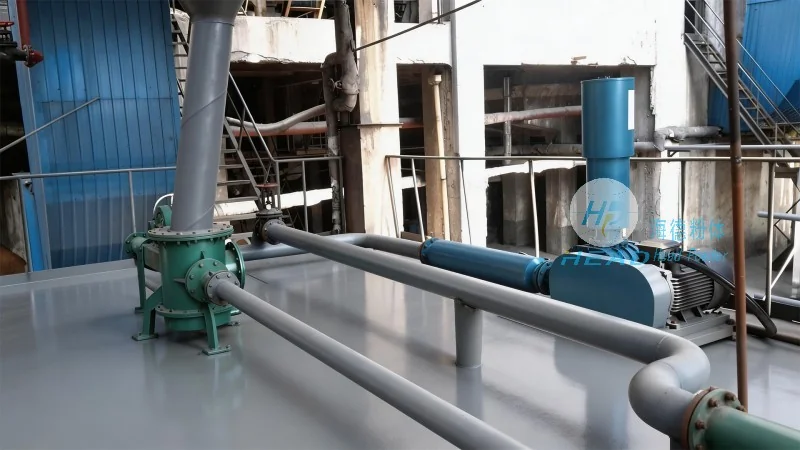
HeadPowder's airflow conveying systems are widely applied in various stages of lithium-ion battery production. In the material preparation phase, the technology efficiently transports raw positive electrode powders from bulk storage to mixing and coating lines. During the mixing process, precise control of air flow ensures uniform blending of active materials with binders and conductive agents, which is critical for achieving optimal battery performance. In the coating and slurry preparation stages, the conveying system delivers the mixed slurry to the coating machine, maintaining consistent viscosity and particle distribution. Additionally, the technology supports quality control by enabling the transfer of samples for analysis without manual handling, minimizing the risk of contamination and ensuring data accuracy.
Key Advantages and Technical Considerations
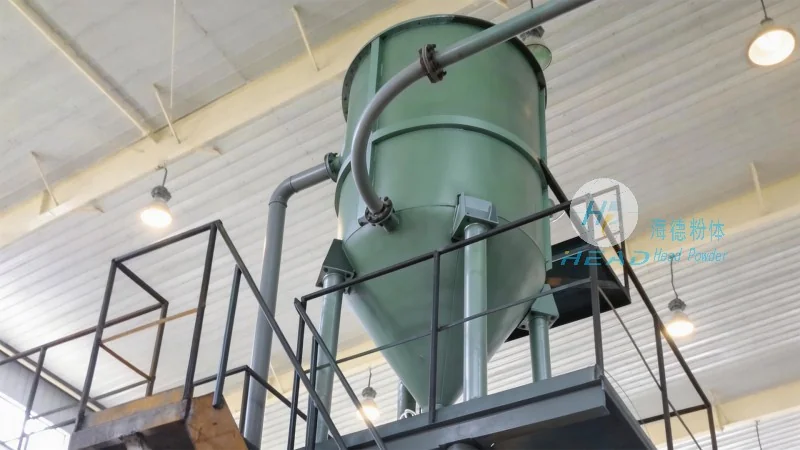
Implementing airflow conveying for lithium-ion battery positive electrode materials offers several technical and operational benefits. Firstly, the system minimizes material degradation by avoiding direct contact with mechanical components, which is particularly important for sensitive materials like NMC and LFP that can be prone to oxidation or agglomeration. Secondly, the enclosed pipeline design reduces dust emissions and improves workplace safety, aligning with environmental regulations and industry standards. Thirdly, the flexibility of pneumatic conveying allows for integration with existing production lines, enabling seamless upgrades and modifications. However, technical considerations include the selection of appropriate air pressure and flow rates to prevent material blockages or degradation, as well as the maintenance of clean air systems to avoid contamination. HeadPowder addresses these challenges through customized solutions, including advanced filtration and pressure control mechanisms.
Emerging Trends and Future Developments
The lithium-ion battery industry is continuously evolving, and airflow conveying technology is adapting to meet new demands. Emerging trends include the integration of smart sensors and automation to monitor material flow rates, pressure, and temperature in real-time, enhancing process control and reducing downtime. Additionally, the development of high-capacity conveying systems is addressing the growing scale of battery manufacturing, supporting increased production throughput while maintaining efficiency. Another trend is the focus on sustainable practices, with companies like HeadPowder investing in energy-efficient designs and recyclable components to reduce the environmental impact of material handling. Future developments may also involve the combination of airflow conveying with other advanced technologies, such as artificial intelligence (AI) for predictive maintenance and process optimization. These innovations aim to further improve the reliability and performance of lithium-ion battery production lines.
Conclusion
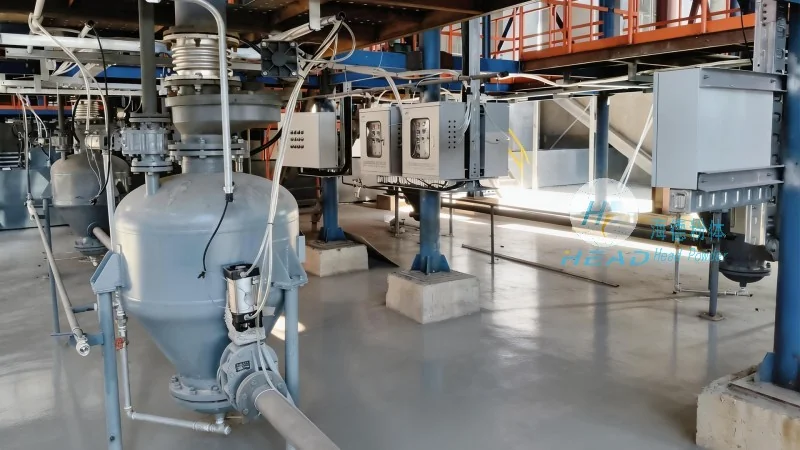
HeadPowder Engineering Co., Ltd., based in Shandong, China, remains at the forefront of developing and implementing advanced airflow conveying solutions for lithium-ion battery positive electrode materials. By leveraging the principles of pneumatic conveying, the company enhances the efficiency, safety, and quality of battery manufacturing processes. As the industry continues to advance, the adoption of such technology will be crucial for meeting the increasing demand for high-performance lithium-ion batteries. HeadPowder's commitment to innovation and customization ensures that its solutions remain relevant and effective in supporting the evolving needs of the battery sector.