

Airborne Transport Technology of Anhydrous Aluminum Chloride: Principles, Applications, and Development Trends
HeadPowder, a leading engineering company based in Shandong, China, specializes in the development and implementation of advanced material handling solutions. One of their core technologies is the airborne transport system for anhydrous aluminum chloride, a critical chemical in various industrial processes. This technology represents a sophisticated approach to transporting bulk materials, combining efficiency, safety, and reliability. The following sections will explore the fundamental principles, practical applications, and emerging trends in this specialized field.
The Working Principle of Airborne Transport for Anhydrous Aluminum Chloride
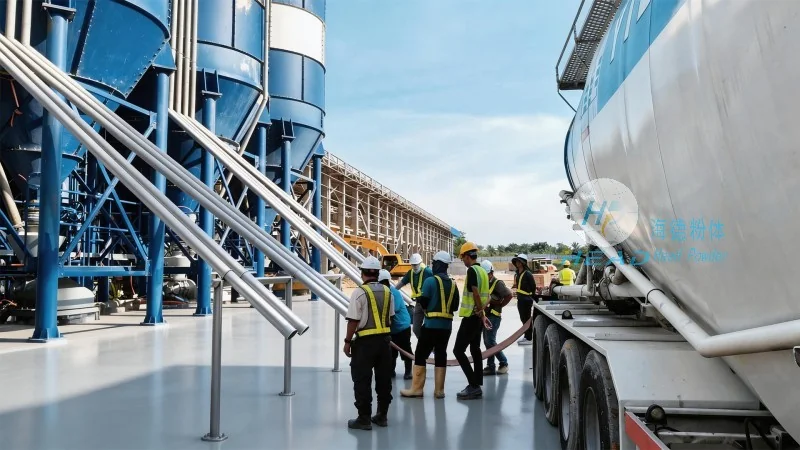
The airborne transport system for anhydrous aluminum chloride operates on the principle of conveying bulk materials through a pipeline using a stream of air. This method can be categorized into two main types: positive pressure and negative pressure systems. In a positive pressure system, air is blown into the pipeline at a high velocity, creating a flow that carries the aluminum chloride particles forward. The pipeline is typically designed with a slight upward slope to facilitate the movement of the material and prevent clogging. The negative pressure system, on the other hand, uses suction to draw the material and air mixture through the pipeline. Both systems require precise control of air pressure and flow rate to ensure optimal performance. The key components of the system include the material feeder, the pipeline network, the air supply or suction unit, and the discharge equipment. The material feeder is responsible for introducing the aluminum chloride into the pipeline at a controlled rate, while the discharge equipment ensures the material is released at the destination in a controlled manner. The pipeline network must be constructed from materials that are compatible with the chemical properties of aluminum chloride, such as stainless steel or specialized plastic, to prevent corrosion and ensure durability. The air supply or suction unit is equipped with filters and controls to maintain air quality and regulate the flow. The entire system is designed to handle the specific characteristics of anhydrous aluminum chloride, including its density, particle size, and reactivity. By understanding the working principle, engineers can optimize the system for maximum efficiency and minimal downtime.
Applications of Airborne Transport in the Handling of Anhydrous Aluminum Chloride
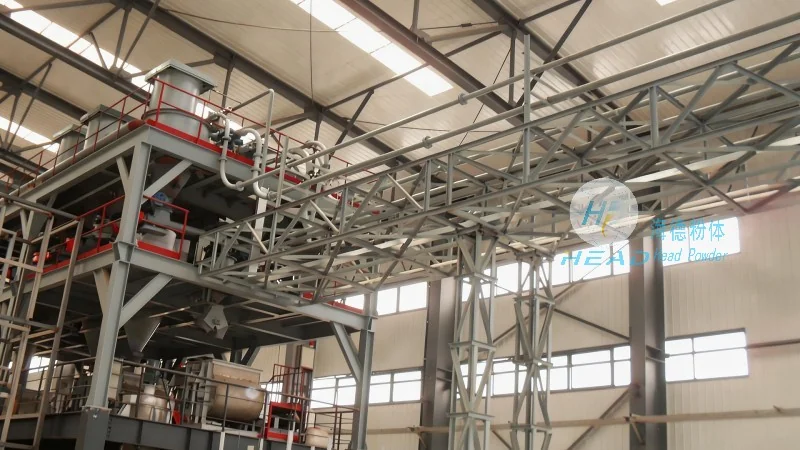
The airborne transport technology is widely used in the chemical industry for the handling of anhydrous aluminum chloride due to its ability to transport bulk materials over long distances with minimal human intervention. One of the primary applications is in the production of aluminum chloride-based products, where the material needs to be moved from storage silos to processing units. The system allows for continuous and automated material flow, reducing the risk of spills and improving safety in the workplace. Another application is in the transportation of aluminum chloride from the production site to distribution centers or other industrial facilities. The ability to handle large volumes of material efficiently makes this technology ideal for meeting the demands of modern industrial operations. Additionally, the system can be integrated with other processing equipment, such as reactors and mixers, to create a seamless material handling process. This integration enhances overall productivity and reduces the need for manual handling, which can be hazardous when dealing with chemicals like anhydrous aluminum chloride. The technology is also suitable for applications where the material needs to be transported in a controlled environment, such as in a closed system to prevent exposure to moisture or air. This is particularly important for anhydrous aluminum chloride, as it reacts with water and can cause corrosion or other adverse effects. By using the airborne transport system, companies can maintain the integrity of the material and ensure that it reaches its destination in the desired condition. The applications of this technology extend beyond the chemical industry, with potential uses in other sectors that require the handling of bulk chemicals, such as pharmaceuticals and food processing. However, the specific requirements of each industry must be considered when implementing the system to ensure optimal performance and safety.
Emerging Trends and Technological Advancements in Airborne Transport for Anhydrous Aluminum Chloride
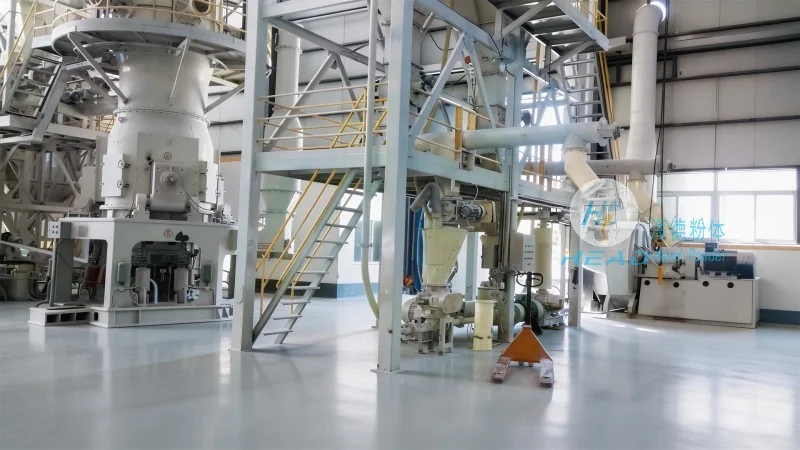
As the demand for efficient and reliable material handling solutions grows, the technology for airborne transport of anhydrous aluminum chloride is continuously evolving. One of the key trends is the integration of advanced control systems, such as programmable logic controllers (PLCs) and sensors, to enhance the system's performance and safety. These systems allow for real-time monitoring of the material flow, air pressure, and temperature, enabling operators to make adjustments quickly and prevent potential issues. The use of sensors also helps in detecting any abnormalities in the system, such as blockages or leaks, and alerts the operators to take corrective action. Another trend is the adoption of more durable and corrosion-resistant materials for the pipeline and equipment. This is particularly important for anhydrous aluminum chloride, which can be aggressive and cause wear on the system components. The use of high-quality stainless steel or specialized coatings can extend the lifespan of the equipment and reduce maintenance costs. Additionally, the development of more energy-efficient systems is a significant trend. By optimizing the air flow and pressure, companies can reduce energy consumption and lower operating costs. This is achieved through the use of variable frequency drives (VFDs) and other energy-saving technologies that adjust the system's performance based on the actual demand. The integration of automation and robotics is also becoming more common in the industry. Automated feeding and discharge systems can reduce the need for manual labor, improving safety and productivity. These systems can be programmed to operate continuously, ensuring a steady flow of material without the need for constant human supervision. The emerging trends in airborne transport technology are driven by the need to improve efficiency, reduce costs, and enhance safety in the handling of bulk chemicals. As the technology advances, it is expected that the system will become more versatile and adaptable to different industrial applications, making it an essential component of modern material handling solutions.