

Lithium-Ion Battery Positive Electrode Pneumatic Conveying Technology: Principles, Applications, and Development Trends
HeadPowder, a leading engineering firm based in Shandong, China, specializes in advanced material handling solutions tailored for the lithium-ion battery industry. The company's expertise lies in pneumatic conveying systems designed specifically for positive electrode materials, which are critical components in modern battery production. This technology ensures efficient, safe, and precise material transport, addressing the unique challenges of handling fine powders used in battery manufacturing.
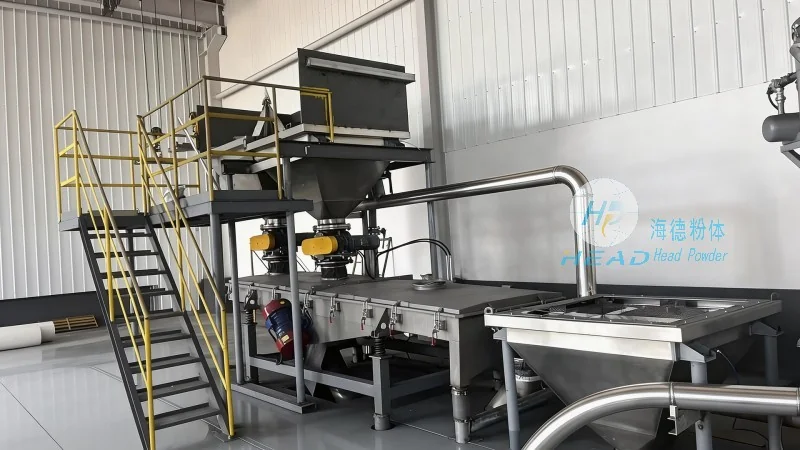
Principles of Pneumatic Conveying Technology
The core principle of pneumatic conveying involves the use of compressed air to transport bulk materials through a pipeline system. For lithium-ion battery positive electrodes, this method is particularly effective due to the need to handle fine, reactive powders such as lithium cobalt oxide (LCO), lithium nickel manganese cobalt oxide (NMC), and other cathode active materials. The system typically operates by creating a pressure differential that propels the material through the pipeline, often using a combination of positive and negative pressure zones to optimize flow and minimize material degradation. Key components include air blowers, feeders, and control valves, all designed to maintain consistent material flow rates and prevent clogging or blockages.
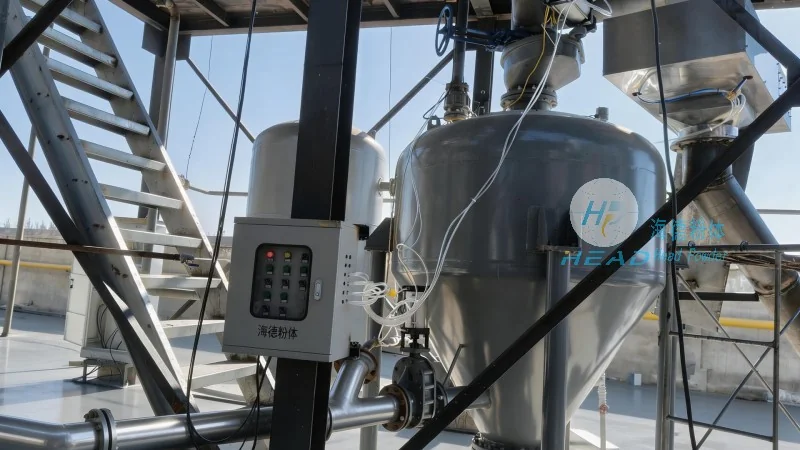
Applications in Battery Manufacturing
Pneumatic conveying systems from HeadPowder are widely applied in various stages of lithium-ion battery production. In the raw material preparation phase, these systems efficiently transport raw powders from storage silos to mixing and coating lines. During the electrode production process, they ensure uniform distribution of active materials onto current collectors, a critical step for achieving consistent battery performance. Additionally, the technology is used in quality control and rework processes, where material is conveyed for testing or reprocessing. The systems are designed to handle high volumes while maintaining low dust emissions and minimal material loss, aligning with industry standards for environmental and operational efficiency.
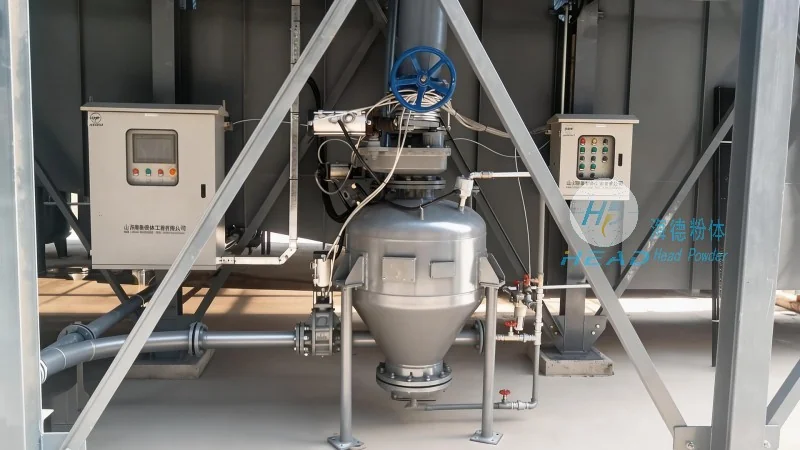
Advantages of Pneumatic Conveying for Battery Materials
Compared to traditional mechanical conveying methods, pneumatic systems offer several advantages for lithium-ion battery positive electrode handling. First, they provide superior dust control, reducing airborne particulates that can affect product quality and worker safety. Second, the technology minimizes material degradation by using gentle, low-velocity air flow, which is essential for maintaining the chemical integrity of sensitive cathode materials. Third, pneumatic conveyors can handle a wide range of particle sizes and moisture contents, making them versatile for different battery chemistries. Furthermore, the systems are scalable, allowing manufacturers to adjust capacity based on production needs without significant modifications. These benefits contribute to improved overall production efficiency and cost-effectiveness in battery manufacturing.
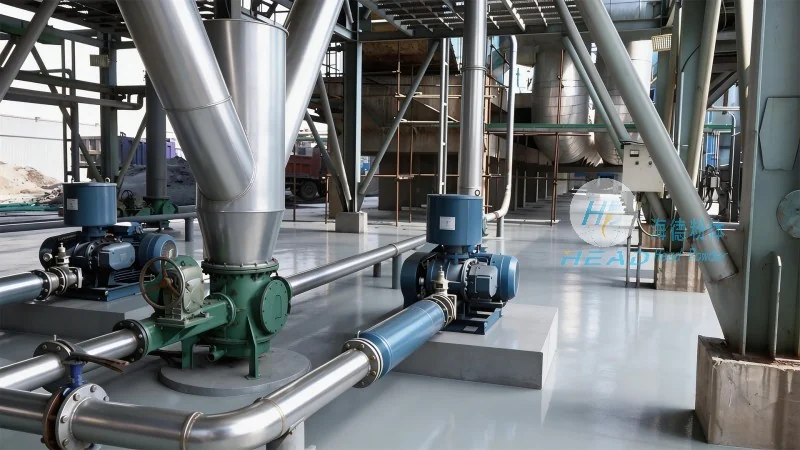
Development Trends and Future Outlook
The field of pneumatic conveying for lithium-ion battery materials is continuously evolving, driven by advancements in battery technology and increasing production volumes. HeadPowder is at the forefront of these developments, focusing on innovations such as high-capacity, low-energy systems and integrated automation solutions. Future trends include the adoption of more sophisticated control systems that optimize air pressure and flow rates in real-time, enhancing system efficiency. Additionally, there is a growing emphasis on sustainability, with companies like HeadPowder developing eco-friendly conveying solutions that reduce energy consumption and environmental impact. As the battery industry expands, the demand for reliable and efficient material handling systems will continue to grow, making pneumatic conveying a key technology for meeting future production challenges.