

Plastic Pellet Pneumatic Conveying Solutions
For industries dealing with plastic pellets, efficient material handling is crucial for maintaining production efficiency and operational costs. Pneumatic conveying systems offer a reliable method to transport plastic pellets from one location to another, ensuring minimal product degradation and consistent flow rates. This article explores the key aspects of plastic pellet pneumatic conveying solutions, highlighting the expertise of Shandong HeadPowder Engineering Co., Ltd., a leading provider in the field.

Understanding Pneumatic Conveying Technology
Pneumatic conveying utilizes air pressure to move plastic pellets through a pipeline system. This method eliminates the need for mechanical components like conveyors or elevators, reducing maintenance requirements and improving overall system reliability. The technology is particularly effective for handling fine or abrasive materials like plastic pellets, where traditional methods may cause wear or contamination. There are two primary types of pneumatic conveying: pressure and vacuum systems. Pressure systems use compressed air to push material through the pipeline, while vacuum systems create a negative pressure to draw material in. Each type has its advantages, depending on the application requirements, such as distance, material characteristics, and system layout.
Key Features of Plastic Pellet Pneumatic Conveying Systems
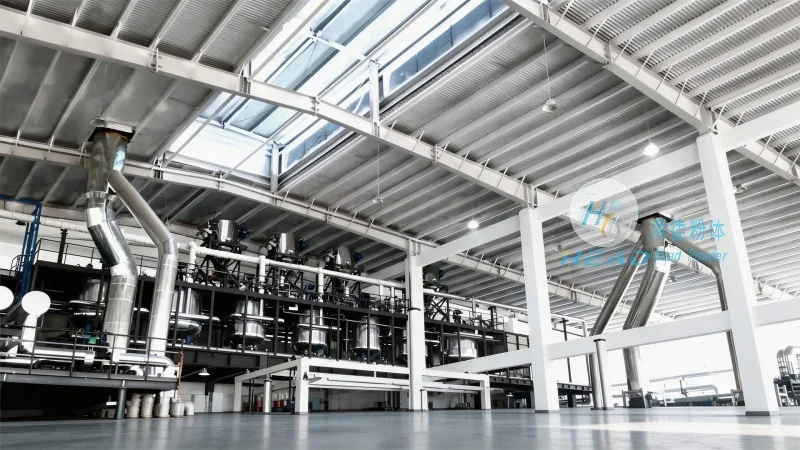
Effective plastic pellet pneumatic conveying systems from HeadPowder are designed with several critical features to ensure optimal performance. First, the system incorporates high-quality materials to withstand the abrasive nature of plastic pellets, preventing wear and extending the lifespan of components. For instance, stainless steel or specialized alloys are commonly used for the pipeline and fittings, ensuring durability and resistance to corrosion. Second, the system includes advanced control mechanisms that regulate air flow and pressure, maintaining consistent material transport rates. These controls help prevent overloading or underloading, which can lead to system inefficiencies or product damage. Third, the design incorporates dust collection and filtration systems to maintain air quality and comply with environmental regulations. This is essential for industries where air quality is a concern, such as manufacturing facilities dealing with plastic materials.
Customization and Integration Capabilities
HeadPowder understands that each industrial application has unique requirements. Therefore, their pneumatic conveying solutions are highly customizable to meet specific needs. The company works closely with clients to assess their operational parameters, including the volume of plastic pellets to be transported, the distance between source and destination, and any existing infrastructure. Based on this assessment, HeadPowder engineers design a tailored system that maximizes efficiency and minimizes costs. For example, the system can be integrated with existing production lines, ensuring seamless operation without disrupting current workflows. Additionally, the company offers modular designs, allowing for easy expansion or modification as production needs change. This flexibility is particularly valuable for growing businesses that anticipate increased material handling demands in the future.
Benefits of Implementing Pneumatic Conveying Solutions
Adopting plastic pellet pneumatic conveying systems from HeadPowder offers numerous benefits for industrial operations. One of the primary advantages is improved efficiency, as the system reduces the time and labor required for material transport. Unlike traditional methods, pneumatic conveying allows for continuous material flow, eliminating the need for manual handling or frequent stops. This leads to increased production throughput and reduced downtime. Another key benefit is cost savings. By minimizing maintenance and replacement of mechanical components, the system lowers long-term operational expenses. Additionally, the reduced risk of product contamination enhances product quality, which is critical for industries where plastic pellets are used in high-value applications. Furthermore, the system's ability to handle abrasive materials without damage extends the lifespan of the product, reducing waste and improving overall sustainability. These benefits make pneumatic conveying an attractive option for businesses looking to optimize their material handling processes.
Case Studies and Real-World Applications
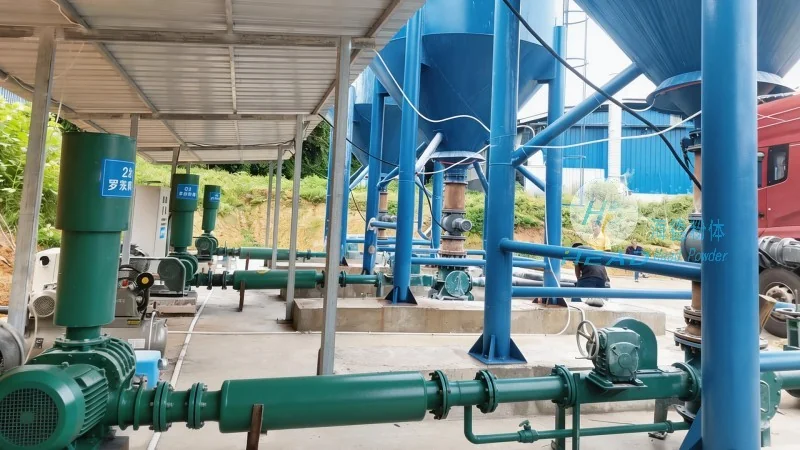
HeadPowder has successfully implemented plastic pellet pneumatic conveying systems in various industries, demonstrating the technology's effectiveness in real-world scenarios. For instance, a leading plastic manufacturing company in China used HeadPowder's solution to transport plastic pellets from storage silos to production lines. The system reduced material handling time by 40% and decreased maintenance costs by 25% compared to traditional methods. Another case involved a company in the automotive industry, where the system was used to convey plastic pellets to injection molding machines. The consistent flow rates improved production quality, resulting in a 15% reduction in defect rates. These examples highlight the versatility and reliability of HeadPowder's pneumatic conveying solutions across different sectors.
Conclusion and Contact Information
Plastic pellet pneumatic conveying solutions from Shandong HeadPowder Engineering Co., Ltd. provide an efficient and reliable method for handling plastic materials in industrial settings. With their expertise in designing and implementing customized systems, HeadPowder ensures that clients achieve optimal performance, cost savings, and product quality. For businesses seeking to improve their material handling processes, HeadPowder offers a comprehensive solution that meets the unique needs of each application. By leveraging advanced technology and personalized service, HeadPowder continues to be a trusted partner in the plastic processing industry, helping companies enhance their operational efficiency and competitiveness.