

Introduction to Sawdust Pneumatic Conveying System Equipment and Structural Principles
The sawdust pneumatic conveying system is a specialized industrial equipment designed for the efficient transportation of sawdust and similar fine particulate materials. As a key component in woodworking and biomass processing industries, this system ensures reliable material handling from source to destination. The equipment is engineered to handle the unique challenges posed by sawdust, such as low bulk density, high dust content, and the need for gentle material handling to prevent degradation. By utilizing air as the conveying medium, the system minimizes material loss and contamination, making it an ideal solution for applications ranging from sawmills to biomass energy facilities.

Structural Principles of the Sawdust Pneumatic Conveying System
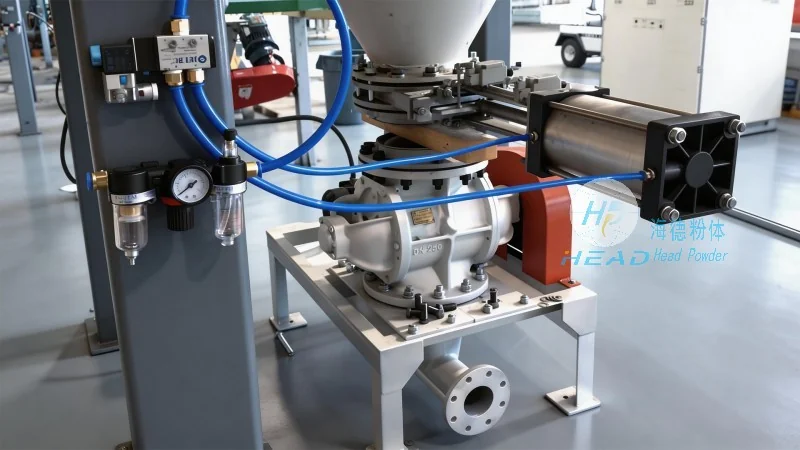
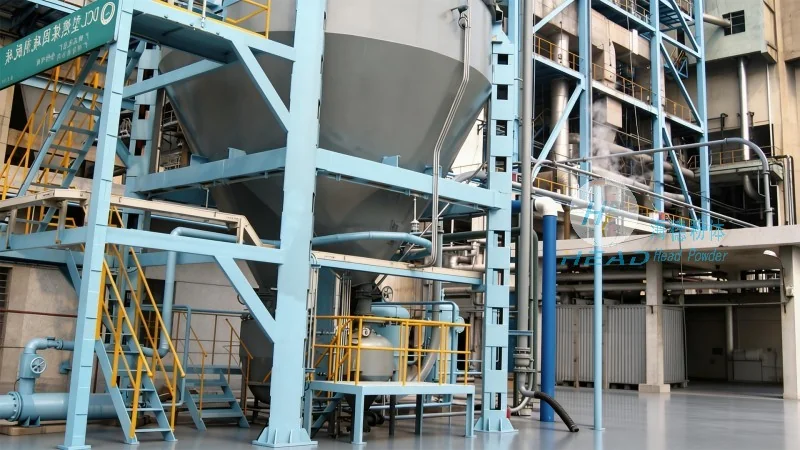
The core of the sawdust pneumatic conveying system lies in its integrated structural design, which combines several critical components to achieve effective material transport. The system typically includes a hopper for material storage, a blower or compressor to generate the necessary air pressure, a pipeline network to direct the material flow, and a receiver or discharge unit for material collection. The hopper is equipped with a feeding mechanism, such as a rotary valve or screw feeder, to control the flow of sawdust into the system. The blower or compressor provides the motive force, creating a pressure differential that propels the sawdust particles through the pipeline. The pipeline network is designed with appropriate bends and fittings to maintain consistent air velocity and prevent material settling or blockages. The receiver unit is equipped with a filter system to capture any residual dust, ensuring clean air discharge and compliance with environmental regulations. This integrated approach ensures that the system operates efficiently, with minimal downtime and maintenance requirements.
Key Components and Their Functions
Each component of the sawdust pneumatic conveying system plays a vital role in its overall performance. The hopper, made of durable materials like stainless steel or corrosion-resistant alloys, stores the sawdust and maintains a consistent feed rate. The feeding mechanism, often a rotary valve or screw conveyor, regulates the material flow into the pipeline, preventing overloading and ensuring smooth operation. The blower or compressor is the heart of the system, generating the air pressure needed to move the sawdust. It is typically selected based on the material's characteristics, such as particle size and moisture content, to ensure optimal conveying efficiency. The pipeline network is constructed from materials like PVC or metal, depending on the application, and is designed with appropriate diameters and slopes to maintain the required air velocity. The receiver unit, equipped with a filter and dust collection system, collects the conveyed sawdust and removes any air contaminants, ensuring a clean and safe operation environment. Together, these components work in harmony to provide a reliable and efficient sawdust conveying solution.
Advantages of the Sawdust Pneumatic Conveying System
The sawdust pneumatic conveying system offers several advantages over traditional material handling methods. First, it provides a dust-free and clean operation environment, reducing the risk of respiratory issues and contamination. The enclosed system prevents sawdust from escaping into the workplace, improving air quality and safety standards. Second, the system is highly efficient in terms of material transport, with minimal material loss and low energy consumption. The use of air as the conveying medium allows for rapid and continuous material movement, reducing labor costs and increasing productivity. Third, the system is flexible and adaptable, capable of handling varying material volumes and types. It can be easily integrated with existing production lines and expanded to meet growing demand. Fourth, the system is low-maintenance, with components designed for durability and long service life. Regular maintenance, such as filter replacement and blower inspection, ensures consistent performance and reduces downtime. These advantages make the sawdust pneumatic conveying system an ideal choice for industries seeking reliable, efficient, and safe material handling solutions.
About Shandong HeadPowder Engineering Co., Ltd.
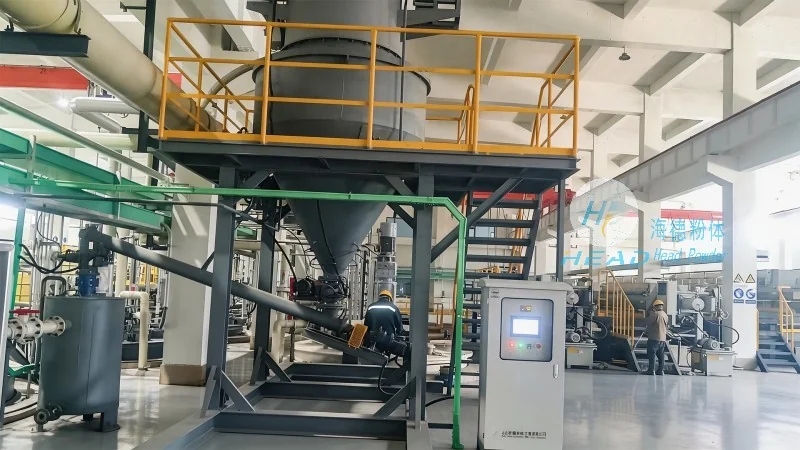
Shandong HeadPowder Engineering Co., Ltd., commonly known as headpowder, is a leading manufacturer and supplier of industrial equipment, specializing in pneumatic conveying systems and related technologies. The company is headquartered in Shandong, China, and has established a strong reputation for its high-quality products and customer-centric approach. With years of experience in the industry, headpowder has developed a comprehensive range of sawdust pneumatic conveying systems tailored to meet the diverse needs of woodworking, biomass, and other related industries. The company's commitment to innovation and quality ensures that its products are reliable, efficient, and compliant with international standards. Headpowder's team of experts provides comprehensive support, from system design and installation to maintenance and after-sales service, ensuring that customers receive the best possible solution for their material handling requirements. By leveraging advanced technology and rigorous quality control, headpowder continues to be a trusted partner for businesses seeking reliable and efficient industrial equipment.