

Introduction to and Structural Principles of a Calcium Hydroxide Powder Pneumatic Conveying System
This article provides a comprehensive overview of the calcium hydroxide powder pneumatic conveying system, a specialized piece of equipment engineered to efficiently and safely transport calcium hydroxide powder. The system is designed to address the unique challenges associated with handling calcium hydroxide, such as its fine particle size and potential for dust generation, ensuring optimal performance in industrial settings. By understanding the components, structure, and operational principles of this system, users can appreciate its role in enhancing material handling efficiency and product quality.
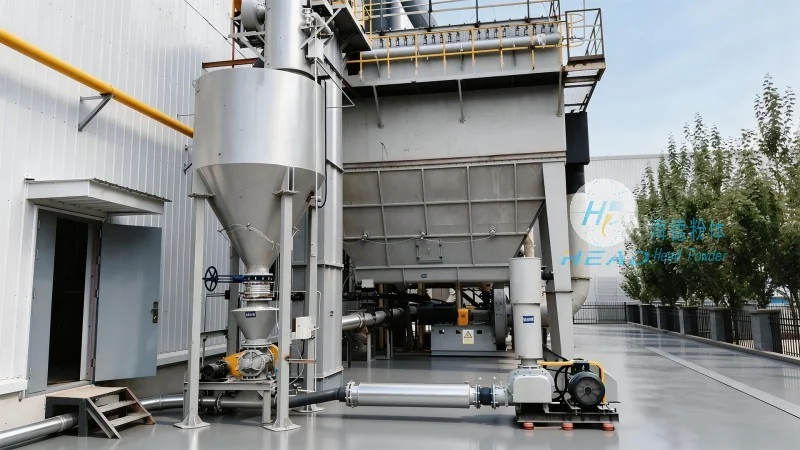
Key Structural Components and Their Functions
The pneumatic conveying system for calcium hydroxide powder comprises several essential components that work in concert to facilitate material transport. The primary components include the material hopper, which serves as the storage and feeding unit, equipped with a discharge valve to control the flow of powder. The air compressor is another critical component, responsible for generating the necessary air pressure to create the conveying medium. The pipeline system, typically made of durable materials like stainless steel or plastic, forms the path through which the powder and air mixture travels. Additionally, the system may include a filter or separator at the receiving end to separate the powder from the air, ensuring that the material is delivered in a clean and controlled manner. Each component is designed with precision to ensure the system operates reliably and maintains the integrity of the calcium hydroxide powder throughout the conveying process.
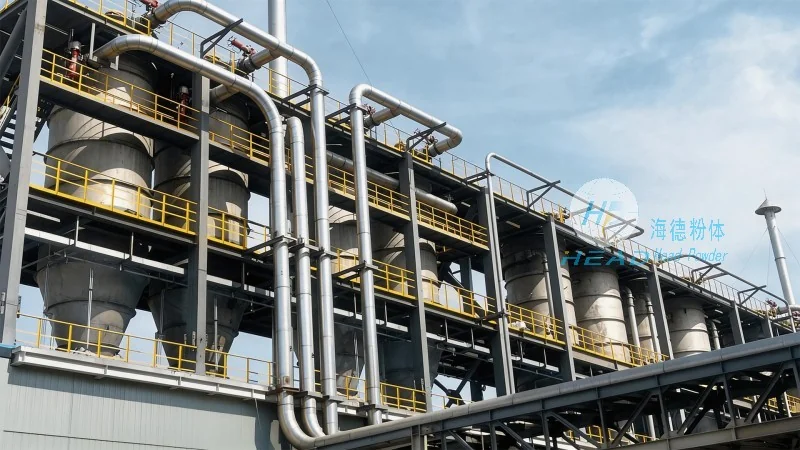
Operational Principle: Pneumatic Transport Mechanism
The core operational principle of the calcium hydroxide powder pneumatic conveying system is based on the pneumatic transport method, where the powder is suspended in a stream of air and transported through the pipeline. The system generally operates in a positive pressure mode, where the air compressor pressurizes the air, which then mixes with the calcium hydroxide powder in the hopper. As the air flows through the pipeline at a controlled velocity, it lifts and carries the powder particles, creating a homogeneous mixture of air and powder. The design of the system, including the air velocity, pipeline diameter, and length, is optimized to ensure that the powder is fully suspended and transported without clogging or degradation. The pressure and flow rate are carefully managed to maintain a consistent conveying rate, which is crucial for maintaining the quality and consistency of the calcium hydroxide powder during transport.
Advantages Over Traditional Conveying Methods
Compared to traditional conveying methods such as bucket elevators or belt conveyors, the pneumatic conveying system offers several distinct advantages for handling calcium hydroxide powder. One of the most significant benefits is the reduced risk of dust contamination, as the material is enclosed within the pipeline, preventing exposure to the environment. This not only enhances safety but also maintains the purity of the powder, which is critical for applications in pharmaceutical, food, and chemical industries where product quality is paramount. Additionally, the system allows for precise control over the flow rate and pressure, enabling better management of the material handling process and reducing the risk of overloading or underloading. The enclosed design also minimizes the risk of material spillage and environmental contamination, making it a more environmentally friendly option. Furthermore, the system can handle varying powder characteristics, including different particle sizes and moisture content, without compromising performance, providing versatility in industrial applications.
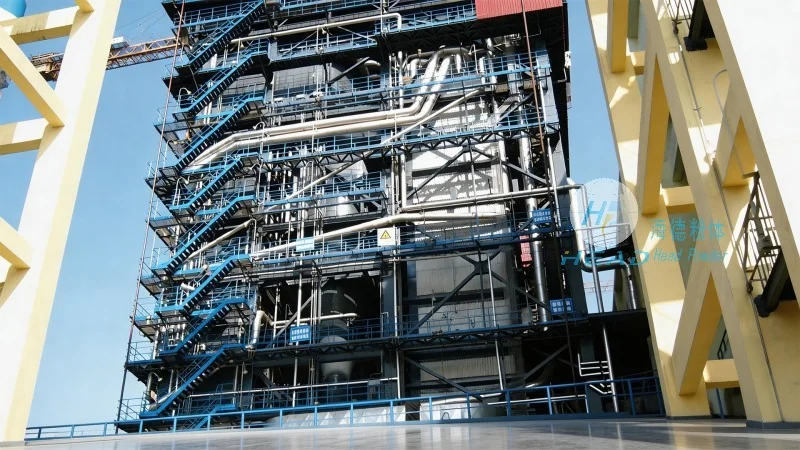
Industrial Applications and Use Cases
The calcium hydroxide powder pneumatic conveying system is widely utilized across various industrial sectors, demonstrating its adaptability and effectiveness in different material handling scenarios. In the chemical manufacturing industry, the system is commonly used to transport calcium hydroxide as a raw material for the production of other chemicals, such as calcium chloride or calcium carbonate. The consistent and efficient transport of calcium hydroxide ensures a steady supply of raw material, improving production efficiency and reducing downtime. In the construction materials sector, the system is employed to deliver calcium hydroxide for the production of cement, plaster, and other building materials. The ability to handle large volumes of powder with minimal maintenance makes it an ideal choice for construction material manufacturers. The food industry also benefits from this system, as it is used to transport calcium hydroxide as a food additive, ensuring that the material is handled in a hygienic and controlled manner, meeting regulatory standards for food processing. Each application leverages the system's ability to maintain product quality and operational efficiency, making it a preferred solution for businesses in these industries.