

Introduction to Organic Fertilizer Pneumatic Conveying Equipment: Structure and Working Principles
Organic fertilizer pneumatic conveying equipment is a crucial piece of machinery in the agricultural and fertilizer processing industries. It plays a vital role in efficiently transporting organic fertilizer materials from one location to another, ensuring smooth and reliable material handling processes. This equipment is designed to handle bulk organic fertilizer, such as compost, manure, or other organic matter, with precision and efficiency. The following sections will provide an overview of the equipment's structure and working principles, highlighting its key components and operational mechanisms.
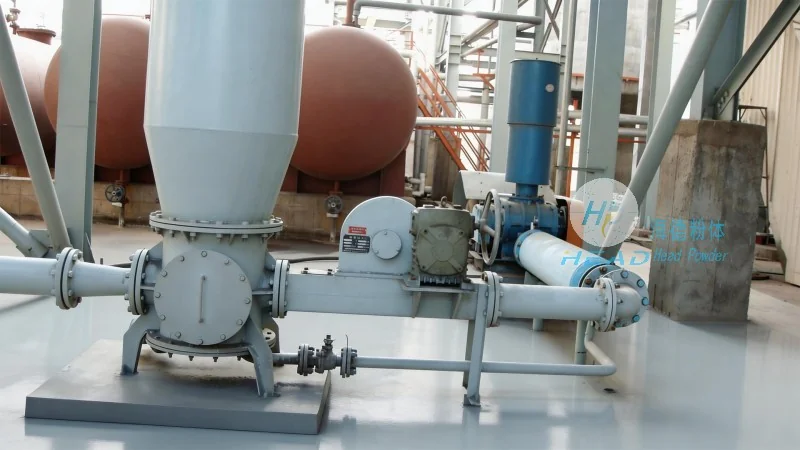
Overview of Organic Fertilizer Pneumatic Conveying Equipment
Organic fertilizer pneumatic conveying systems are engineered to transport organic fertilizer materials through a pipeline using air pressure or vacuum. These systems are widely used in fertilizer production facilities, composting plants, and agricultural operations due to their ability to handle large volumes of material with minimal labor and operational costs. The equipment is designed to maintain the quality and integrity of the organic fertilizer during transportation, preventing contamination and degradation. The system typically consists of several key components, including a material feed hopper, a conveying line, a control system, and a discharge unit. Each component works in harmony to ensure efficient and reliable material transport.
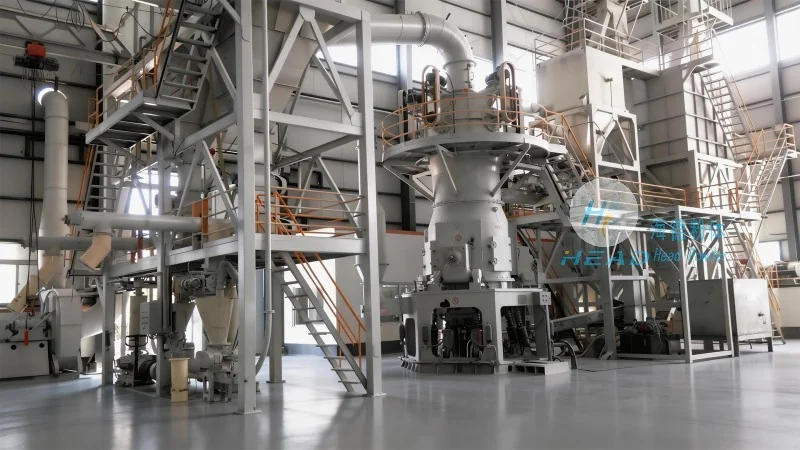
Key Components of the Pneumatic Conveying System
The organic fertilizer pneumatic conveying equipment from Shandong HeadPowder Engineering Co., Ltd. incorporates several essential components that contribute to its functionality. The material feed hopper is responsible for storing and feeding the organic fertilizer into the conveying system. It is designed with a large capacity to accommodate bulk organic materials, ensuring a steady supply for continuous operation. The conveying line, usually made of durable materials like stainless steel or high-density polyethylene, is the main pipeline through which the fertilizer is transported. The line is equipped with appropriate fittings and valves to control the flow and direction of the material. The control system, which includes sensors and a control panel, monitors the pressure, flow rate, and other operational parameters to ensure optimal performance. The discharge unit, located at the end of the conveying line, collects the transported organic fertilizer and discharges it into the designated storage or processing area.
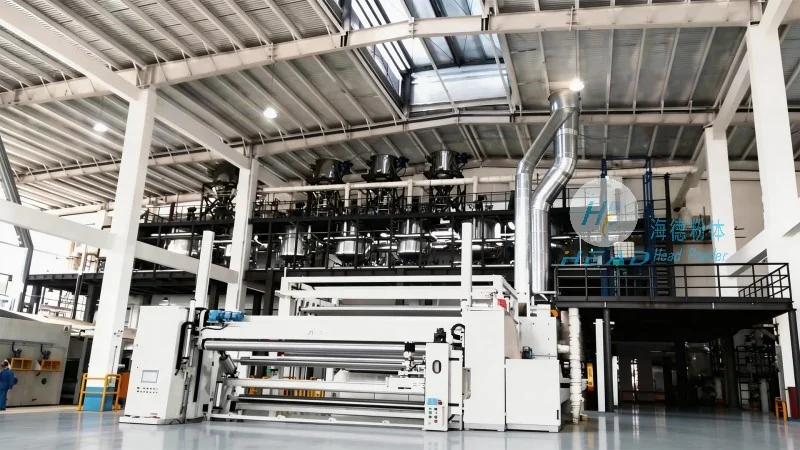
Working Principles of the Pneumatic Conveying Equipment
The operation of organic fertilizer pneumatic conveying equipment is based on the principles of pneumatic transport, which involves the movement of material particles suspended in a moving air stream. The system can operate under either positive pressure or negative pressure (vacuum) depending on the specific application and system design. In positive pressure systems, compressed air is introduced into the conveying line, creating a pressure higher than the ambient air, which propels the fertilizer particles forward. In negative pressure systems, a vacuum is created at the discharge end, drawing the material through the line. The equipment from HeadPowder is designed to handle both pressure and vacuum modes, providing flexibility for different operational needs. The material is typically fed into the conveying line at a controlled rate, and the air flow is adjusted to maintain a consistent particle suspension, preventing blockages and ensuring smooth transport. The system's control panel allows operators to monitor and adjust the air pressure, flow rate, and material feed rate in real-time, optimizing the conveying process for maximum efficiency and minimal energy consumption.
Advantages of Using Pneumatic Conveying for Organic Fertilizer
Organic fertilizer pneumatic conveying equipment offers several advantages over traditional mechanical conveying methods. One of the primary benefits is the ability to handle large volumes of material with minimal labor requirements. The system can transport bulk organic fertilizer over long distances without the need for manual handling or intermediate storage. This reduces operational costs and improves overall efficiency. Additionally, pneumatic conveying systems are less prone to material degradation and contamination compared to mechanical systems, as the material remains suspended in the air stream rather than being in direct contact with conveyor belts or other equipment. The equipment also provides better control over the material flow, allowing for precise dosing and distribution of the organic fertilizer. This is particularly important in agricultural applications where uniform fertilizer application is crucial for optimal crop growth. The HeadPowder brand equipment is known for its durability and reliability, with components designed to withstand the harsh conditions of organic fertilizer processing and transportation. The use of high-quality materials and advanced engineering ensures long service life and minimal maintenance requirements, making it a cost-effective solution for fertilizer producers and agricultural operations.
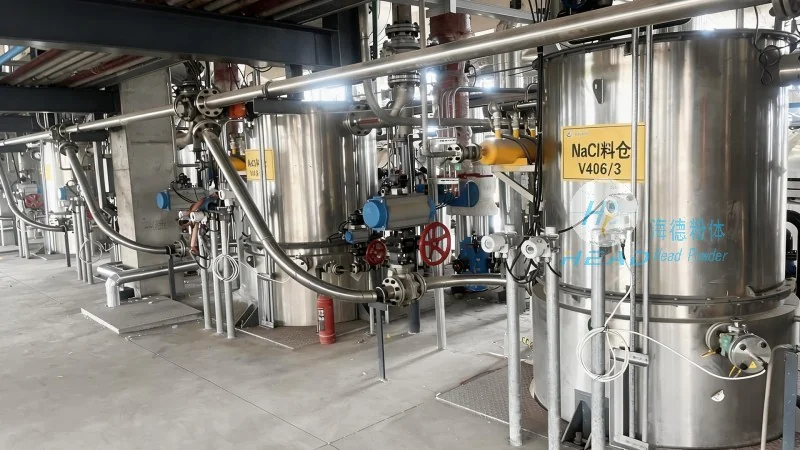
Application Scenarios and Operational Considerations
The organic fertilizer pneumatic conveying equipment from Shandong HeadPowder Engineering Co., Ltd. is suitable for a wide range of applications in the fertilizer and agricultural industries. It is commonly used in composting plants to transport compost from the composting area to storage or processing facilities. The equipment is also used in fertilizer production facilities to convey raw organic materials to the mixing and granulation units. Agricultural operations may use the system to transport organic fertilizer from storage to application sites, such as fields or greenhouses. When operating the pneumatic conveying system, several considerations must be taken into account to ensure optimal performance. The material feed rate must be adjusted to match the air flow capacity of the system to prevent blockages or excessive pressure buildup. The air pressure and flow rate should be monitored regularly to maintain consistent material transport. Additionally, the conveying line should be checked for any obstructions or wear and tear to avoid system failures. Proper maintenance, including cleaning and lubrication of components, is essential to prolong the equipment's service life and maintain its efficiency. The HeadPowder team provides technical support and maintenance services to ensure that the equipment operates at peak performance, minimizing downtime and maximizing productivity.