

Carbon Fiber Pneumatic Conveying Equipment: An Overview of Its Structure and Working Principle
HeadPowder, a leading manufacturer based in Shandong, China, specializes in the design and production of advanced carbon fiber pneumatic conveying systems. These systems are engineered to efficiently transport carbon fiber materials, offering high performance and reliability in various industrial applications.
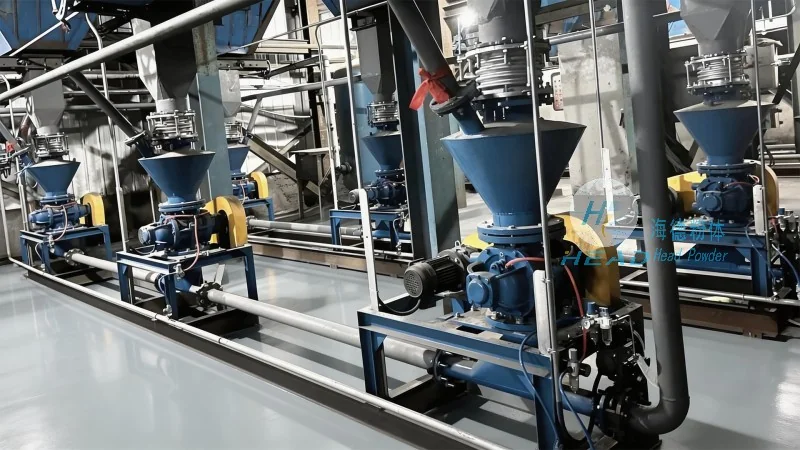
Introduction to Carbon Fiber Pneumatic Conveying Equipment
Carbon fiber pneumatic conveying equipment represents a sophisticated solution for handling carbon fiber powders and fibers. This technology utilizes air or gas as the primary medium to transport materials through a pipeline system. The equipment is designed to meet the stringent requirements of industries such as aerospace, automotive, and sports equipment manufacturing, where precision and material integrity are paramount.
Key Components and Structure of the Equipment
The carbon fiber pneumatic conveying system typically consists of several core components, each playing a crucial role in the overall operation. These components include the material feed hopper, the air compressor or blower, the conveying pipeline, the control system, and the discharge unit. The material feed hopper is responsible for storing and feeding the carbon fiber material into the system. It is equipped with a feeding mechanism, such as a rotary valve or a screw feeder, to ensure a consistent and controlled flow of material. The air compressor or blower generates the necessary pressure and airflow to move the material through the pipeline. The conveying pipeline is made of high-quality materials, often stainless steel or specialized polymers, to prevent material degradation and ensure durability. The control system monitors and regulates the pressure, flow rate, and other operational parameters to maintain optimal performance. The discharge unit, which can be a rotary valve or a bagging unit, collects the conveyed material at the destination point.
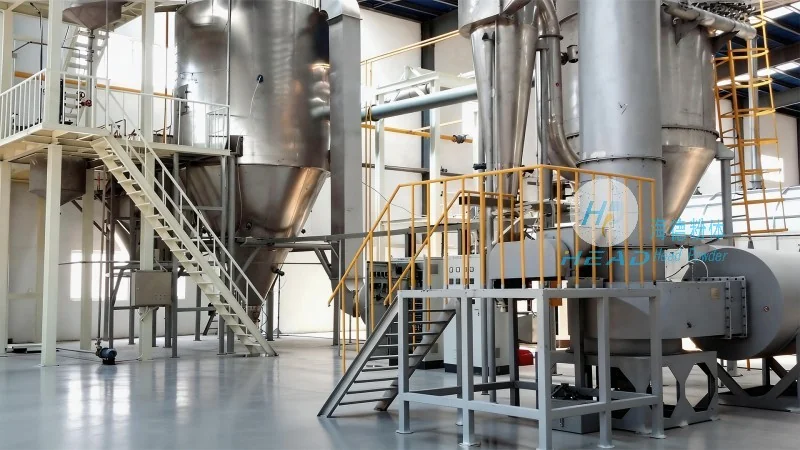
Working Principle of the Carbon Fiber Pneumatic Conveying System
The operation of the carbon fiber pneumatic conveying system is based on the principle of fluidization and pneumatic transport. When the air compressor starts, it generates a high-pressure airflow that enters the conveying pipeline. The material from the feed hopper is introduced into the pipeline, and the air flow lifts and transports the carbon fiber particles through the system. The velocity of the air and the size of the carbon fiber particles determine the conveying efficiency. The system is designed to maintain a stable flow rate, ensuring that the material is transported without clogging or degradation. The control system continuously adjusts the airflow and pressure to optimize the conveying process, minimizing energy consumption and maximizing material throughput.
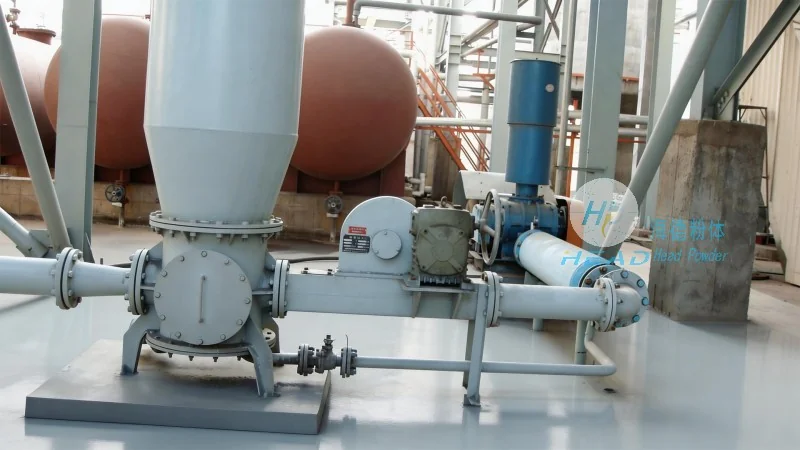
Advantages of Carbon Fiber Pneumatic Conveying Equipment
Carbon fiber pneumatic conveying equipment offers several advantages over traditional material handling methods. Firstly, it provides a dust-free and enclosed transport system, which is essential for maintaining the purity and quality of carbon fiber materials. This is particularly important in industries where contamination can affect the final product's performance. Secondly, the system is highly efficient in terms of energy consumption and material handling speed. It can transport large quantities of carbon fiber over long distances with minimal labor and operational costs. Thirdly, the equipment is flexible and can be easily integrated into existing production lines. It can handle various types of carbon fiber materials, including short fibers, long fibers, and powders, with consistent performance. Additionally, the system is compact and requires less floor space compared to other material handling solutions, making it suitable for both new and existing facilities.
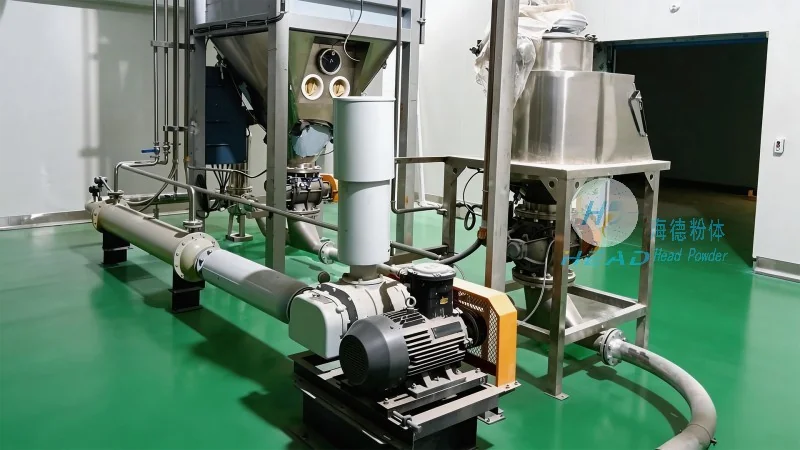
Applications and Industries Served
Carbon fiber pneumatic conveying equipment is widely used in various industries that rely on carbon fiber materials. In the aerospace industry, it is used to transport carbon fiber preforms and powders for composite manufacturing. The automotive industry utilizes the system to handle carbon fiber components and raw materials for lightweight vehicle parts. The sports equipment industry, including tennis rackets, bicycles, and golf clubs, benefits from the efficient transport of carbon fiber materials. Additionally, the system is used in the manufacturing of carbon fiber reinforced polymers (CFRP) for high-performance applications. The equipment's ability to maintain material integrity and provide consistent transport makes it an ideal solution for these industries.
Conclusion
Carbon fiber pneumatic conveying equipment from HeadPowder is a reliable and efficient solution for handling carbon fiber materials. With its advanced structure and working principle, the system ensures high performance, low maintenance, and minimal material loss. HeadPowder, based in Shandong, China, continues to innovate and provide tailored solutions to meet the specific needs of its clients. The company's commitment to quality and customer satisfaction has made it a trusted partner in the carbon fiber industry.