

Introduction to Limestone and Gypsum Powder Pneumatic Conveying Systems: Structure and Working Princ
Efficient material handling is a critical aspect of modern industrial operations, particularly in sectors dealing with bulk powders such as limestone and gypsum. The pneumatic conveying system, a technology that utilizes air to transport dry powders, has emerged as a reliable solution for these applications. This document provides an overview of the limestone and gypsum powder pneumatic conveying system, detailing its structural components and operational principles to help users understand its functionality and benefits.
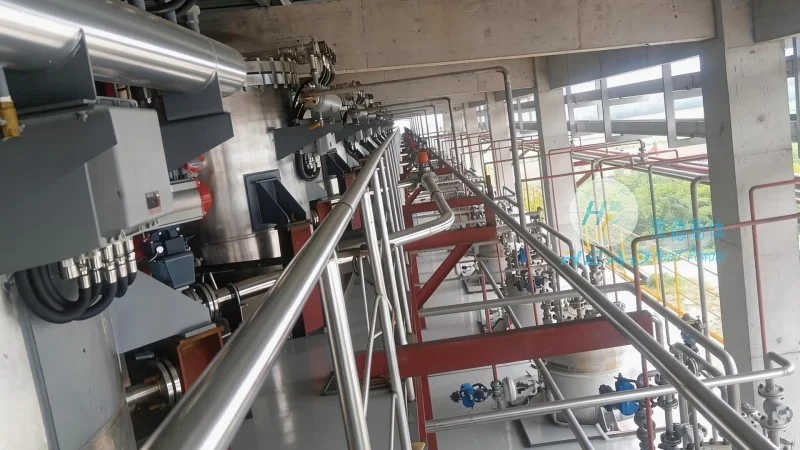
The system operates by creating a pressure differential that moves the material through a pipeline using air. This method not only reduces the risk of material contamination but also minimizes maintenance requirements compared to traditional conveying methods. By leveraging the principles of air movement and material flow, the system ensures consistent and reliable transport of fine powders over varying distances.
The structural design of a typical pneumatic conveying system for limestone and gypsum powders includes several key components. The primary elements are the material hopper, which serves as the storage and feeding unit, the air compressor or blower that generates the necessary air pressure, the conveying pipeline that transports the material, and the control system that regulates the flow and pressure. Each component plays a vital role in ensuring the system operates efficiently and safely.
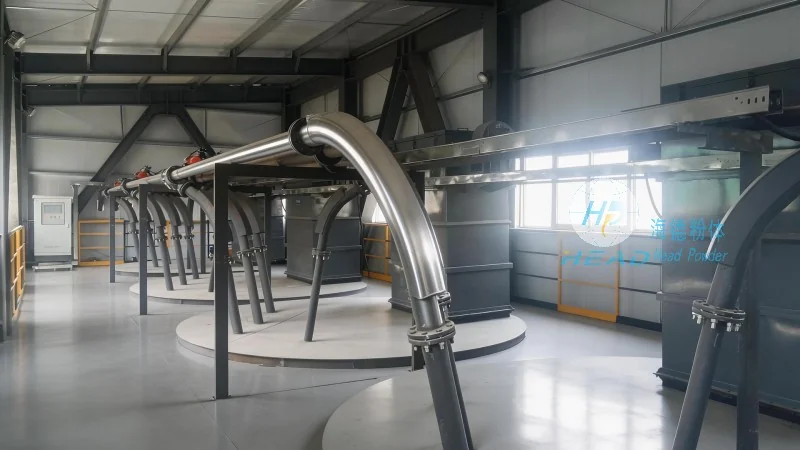
The material hopper is designed to hold the limestone or gypsum powder and features a discharge valve that controls the flow rate. This component is crucial for maintaining a consistent feed rate, which is essential for stable system performance. The air compressor or blower provides the energy to move the material through the pipeline. It can be either a positive displacement blower or a centrifugal fan, depending on the system's requirements and the material's properties. The conveying pipeline is typically made of materials resistant to corrosion and abrasion, such as stainless steel or polyethylene, to withstand the abrasive nature of the powders.
The control system is responsible for monitoring and adjusting the system's parameters, including air pressure, flow rate, and material feed rate. It may include sensors to detect pressure variations or material levels, and control valves to regulate the air and material flow. This system ensures that the conveying process is optimized for efficiency and safety, preventing overloading or underloading of the pipeline.
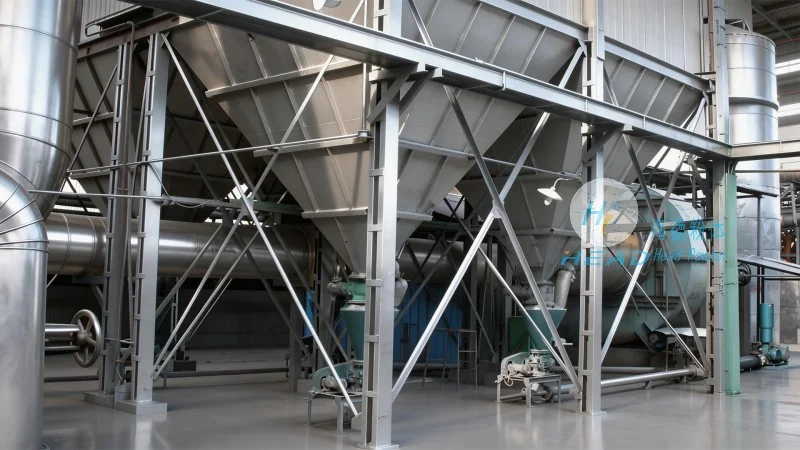
One of the key advantages of the pneumatic conveying system is its ability to handle fine powders without the need for additional equipment like hoppers or elevators. This reduces the overall footprint of the system and simplifies the installation process. Additionally, the system can be configured for both pressure and vacuum conveying, allowing for flexibility in material transport directions and distances.
Shandong HeadPowder Engineering Co., Ltd., a leading provider of industrial material handling solutions, specializes in designing and manufacturing pneumatic conveying systems tailored to the needs of limestone and gypsum processing industries. With years of experience in the field, the company has developed advanced systems that meet the highest standards of efficiency, reliability, and safety. The company's headquarters is located in Shandong, China, where it serves clients globally with customized solutions that enhance operational productivity.
The company's expertise lies in understanding the unique challenges of handling limestone and gypsum powders, such as their fine particle size and potential for dust generation. By incorporating advanced materials and engineering designs, the systems are built to withstand the abrasive nature of these materials and maintain consistent performance over extended periods. This ensures that clients can rely on the system for continuous operation, minimizing downtime and maintenance costs.
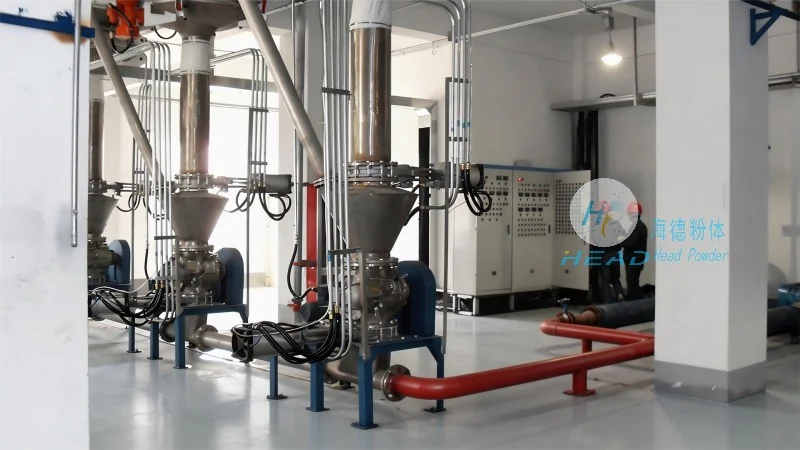
For industries dealing with limestone and gypsum, the pneumatic conveying system offers a cost-effective and efficient solution for material transport. By leveraging the principles of air movement and material flow, the system reduces the need for manual handling and mechanical components, leading to improved safety and operational efficiency. The combination of robust design and advanced control systems makes it an ideal choice for both new installations and system upgrades.
In conclusion, the limestone and gypsum powder pneumatic conveying system is a sophisticated and reliable technology that addresses the challenges of handling fine bulk materials. With its modular design and customizable components, it can be adapted to various industrial applications, ensuring optimal performance and minimal maintenance. As a trusted partner in material handling solutions, Shandong HeadPowder Engineering Co., Ltd. continues to provide innovative systems that support the growth and efficiency of industries worldwide.