

Introduction to the Pneumatic Conveying System for Masterbatch Granules and Its Structural Principle
For industrial applications involving the transport of masterbatch granules, the pneumatic conveying system has emerged as a highly efficient and reliable solution. This system is particularly suited for handling materials that require precise control over flow, dust containment, and overall operational safety. Shandong HeadPowder Engineering Co., Ltd., a leading manufacturer in the field, has developed a comprehensive system that addresses these needs through a well-designed structural layout and operational principles. The following overview provides a detailed look at the system's structure and how it operates, highlighting its key components and the benefits they offer.
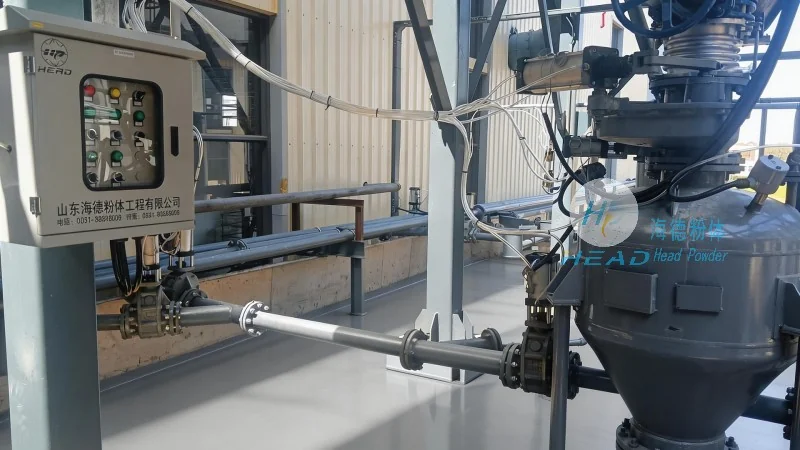
Overview of the Pneumatic Conveying System for Masterbatch Granules
The pneumatic conveying system designed for masterbatch granules is a closed-loop system that utilizes compressed air to move granular materials from one location to another. This method is preferred over traditional mechanical conveying systems in many cases due to its ability to handle fine particles, minimize material degradation, and maintain a clean, dust-free environment. The system is typically composed of several key components, including a hopper for material storage, a feeder to control the flow rate, a conveying line, and a receiver for the discharged material. Each component plays a critical role in the overall efficiency and effectiveness of the system.
Key Structural Components and Their Functions
The structural design of the pneumatic conveying system for masterbatch granules is optimized to ensure smooth and continuous material transport. The primary components include:
1. Material Hopper: This component serves as the initial storage unit for the masterbatch granules. It is designed with a sloped bottom to facilitate the controlled release of material into the feeder. The hopper is typically made of durable materials such as stainless steel to prevent material contamination and ensure longevity. Its design also minimizes the risk of material bridging or caking, which can disrupt the flow.
2. Material Feeder: The feeder is a critical component that regulates the flow rate of the masterbatch granules into the conveying line. It ensures that the material is introduced at a consistent rate, preventing overloading or underloading of the system. Common types of feeders used in this application include rotary valves and screw feeders, which are chosen based on the specific characteristics of the masterbatch granules, such as their size, density, and flowability.
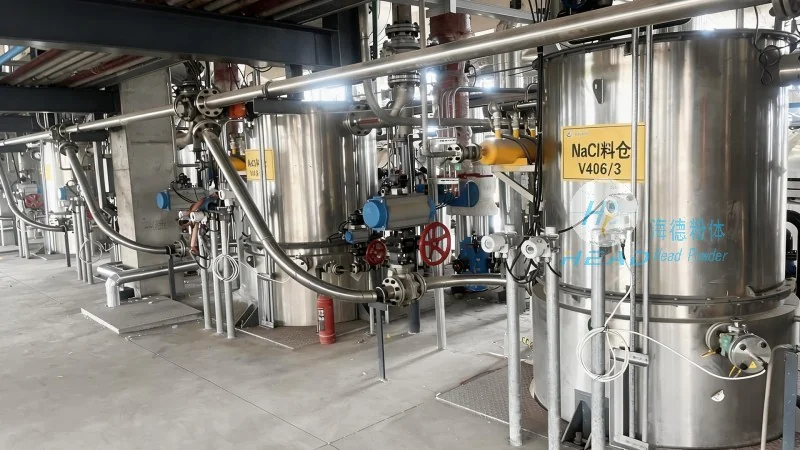
3. Conveying Line: The conveying line is the central part of the system where the material is transported. It is typically made of flexible or rigid tubing, depending on the system design and the distance to be covered. The line is connected to a blower or compressor that generates the necessary air pressure to move the material. The design of the line, including its diameter and length, is carefully calculated to maintain the optimal air-to-material ratio, which is crucial for efficient conveying and minimizing energy consumption.
4. Blower/Compressor: This component provides the motive force for the system by generating compressed air. The choice of blower or compressor depends on the system's requirements, including the material's properties, the distance to be conveyed, and the desired flow rate. Centrifugal blowers are commonly used for low to medium pressure applications, while positive displacement blowers are suitable for higher pressure needs. The blower is connected to the conveying line and ensures a consistent airflow to maintain the material's suspension and movement.
5. Receiver: The receiver is the final component of the system where the masterbatch granules are deposited after being conveyed. It is designed to collect the material and prevent any air leakage or material spillage. The receiver is typically equipped with a discharge valve that allows for controlled release of the material into the next processing stage. Its design also includes features to minimize dust emissions and ensure environmental compliance.
Operational Principles and How the System Works
The pneumatic conveying system operates on the principle of creating a pressure differential between the inlet and outlet of the conveying line. When the blower starts, it draws air into the system and forces it through the conveying line. The material is introduced into the line from the hopper and feeder, and the air flow lifts and transports the granules along the line. The air-to-material ratio is a critical parameter that determines the system's performance. An optimal ratio ensures that the material is fully suspended and moves smoothly without causing excessive pressure drops or energy waste.
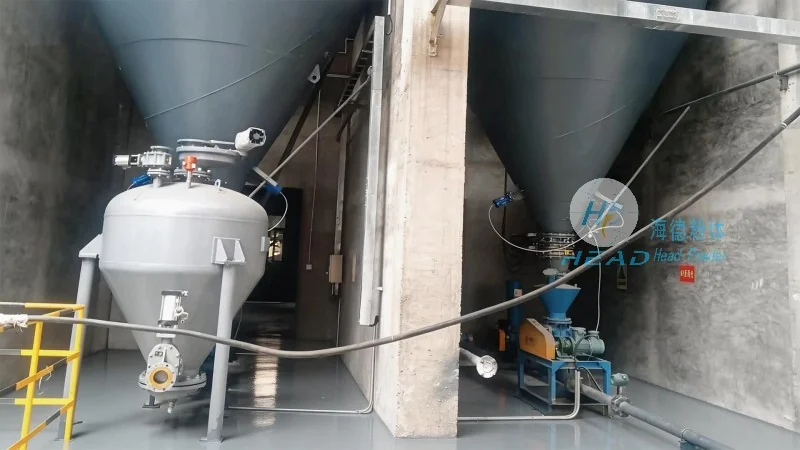
The system's operation can be categorized into two main types: dilute phase and dense phase conveying. Dilute phase conveying uses a higher air velocity to transport the material, resulting in a lower material concentration in the air stream. This method is suitable for short distances and materials with good flow characteristics. Dense phase conveying, on the other hand, uses a lower air velocity and higher material concentration, which is ideal for longer distances and materials that are prone to segregation or degradation. The choice between these two modes depends on the specific application requirements and the properties of the masterbatch granules.
Advantages of the Pneumatic Conveying System for Masterbatch Granules
Implementing a pneumatic conveying system for masterbatch granules offers several advantages over traditional conveying methods. These benefits include:
1. Enhanced Material Handling Efficiency: The system allows for continuous and automated material transport, reducing the need for manual handling and minimizing the risk of material loss or contamination. This improves overall production efficiency and reduces labor costs.
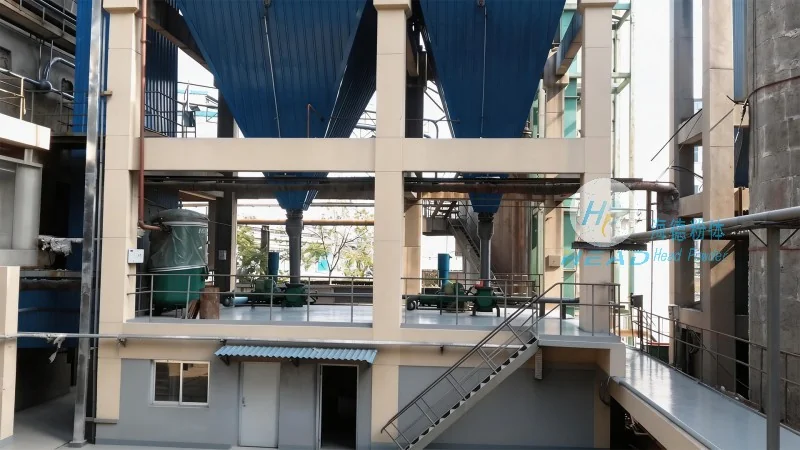
2. Improved Product Quality: By maintaining a closed-loop system, the pneumatic conveying system minimizes exposure to external contaminants and reduces the risk of material degradation. This ensures that the masterbatch granules retain their quality and properties, which is crucial for downstream processing.
3. Reduced Downtime and Maintenance: The system's design minimizes the risk of blockages and material buildup, which can lead to system downtime. Additionally, the use of durable materials and components reduces the frequency of maintenance, resulting in lower operational costs.
4. Environmental Benefits: The closed-loop design of the system helps to contain dust and prevent air pollution, making it an environmentally friendly option for industrial applications. This is particularly important for masterbatch granules, which may contain pigments or other materials that could be harmful if released into the environment.
Conclusion
The pneumatic conveying system for masterbatch granules is a sophisticated and efficient solution for material transport in industrial settings. Its structural design, which includes components such as the hopper, feeder, conveying line, blower, and receiver, works in harmony to ensure smooth and reliable operation. The operational principles, which rely on the creation of a pressure differential and the control of air-to-material ratios, allow for precise control over the conveying process. The advantages of this system, including improved efficiency, product quality, and environmental performance, make it a preferred choice for many applications. As the demand for high-quality masterbatch granules continues to grow, the pneumatic conveying system will remain a critical component in the production and processing of these materials.