

Introduction to Copper Sulfate Pneumatic Conveying: Structure and Working Principle
When it comes to the efficient handling and transportation of copper sulfate, pneumatic conveying systems offer a reliable and effective solution. This article provides an overview of the copper sulfate pneumatic conveying system, focusing on its structural components and operational principles. By understanding these aspects, users can better appreciate the technology's role in industrial applications.
About Shandong HeadPowder Engineering Co., Ltd.
Shandong HeadPowder Engineering Co., Ltd., commonly known as HeadPowder, is a leading manufacturer specializing in the design, development, and production of advanced material handling equipment. With a strong commitment to innovation and quality, the company has established itself as a trusted partner in the chemical and industrial sectors. HeadPowder's expertise lies in creating customized solutions that meet the unique demands of clients, ensuring optimal performance and safety in material handling processes.
Structural Components of the Copper Sulfate Pneumatic Conveying System
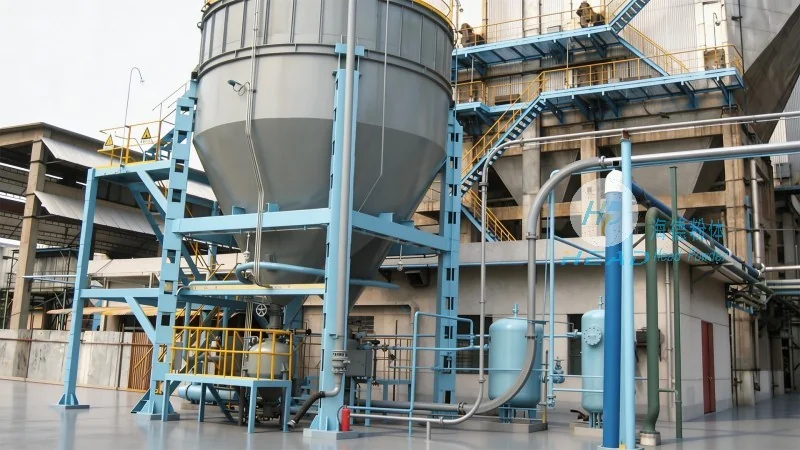
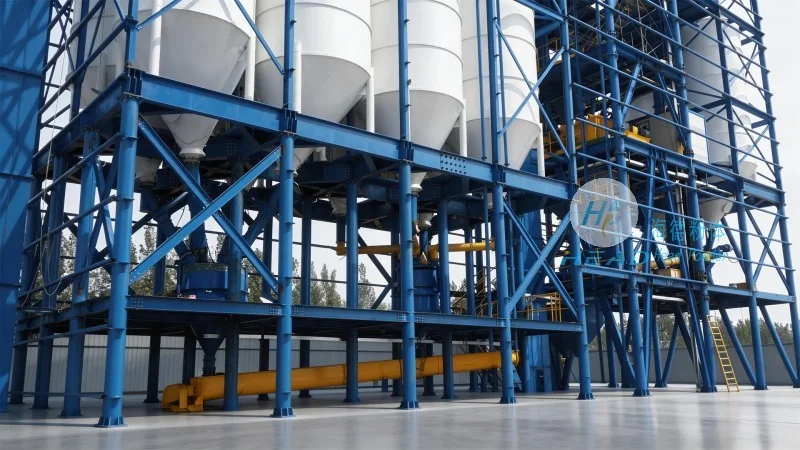
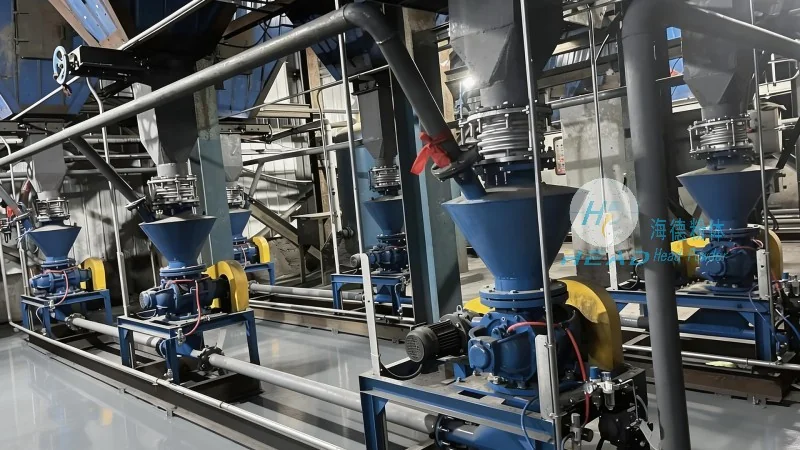
The copper sulfate pneumatic conveying system consists of several key components that work in tandem to facilitate the transport of material. These components include the hopper, feeder, air compressor, conveying line, and receiver. Each part plays a crucial role in the overall operation, ensuring smooth and efficient material transfer. The hopper is designed to store the copper sulfate, providing a consistent feed to the feeder. The feeder then regulates the flow of material into the conveying line, which is typically a flexible or rigid pipe. The air compressor generates the necessary air pressure to move the material through the line. The conveying line transports the copper sulfate from the feeder to the receiver, where the material is deposited. The receiver is equipped with a dust collection system to ensure environmental compliance and product purity.
Working Principle of the Copper Sulfate Pneumatic Conveying System
The operation of the copper sulfate pneumatic conveying system is based on the principle of air movement to transport solid particles. The system uses a positive pressure or negative pressure (or a combination of both) to move the material. In positive pressure systems, the air compressor pushes air into the conveying line, creating a high-pressure environment that propels the copper sulfate particles forward. The particles are suspended in the air stream, allowing them to travel through the line without significant friction or degradation. In negative pressure systems, the air is drawn out of the line, creating a vacuum that pulls the material from the hopper into the receiver. The choice between positive and negative pressure depends on the specific application and the characteristics of the copper sulfate, such as its particle size and moisture content. The system's efficiency is influenced by factors like air velocity, particle size distribution, and the length of the conveying line. Proper design and maintenance of the components are essential to ensure optimal performance and minimize energy consumption.
Key Advantages of Copper Sulfate Pneumatic Conveying
Compared to traditional methods like belt conveyors or bucket elevators, copper sulfate pneumatic conveying offers several advantages. These include reduced labor costs, as the system operates with minimal human intervention. It also minimizes product contamination and degradation, as the material is not in direct contact with mechanical parts. The system is highly flexible, allowing for changes in the conveying route without major modifications. Additionally, it can handle materials with varying particle sizes and moisture levels, making it suitable for diverse industrial applications. The compact design of the equipment also saves space in industrial facilities, contributing to overall operational efficiency.
Applications in Industrial Settings
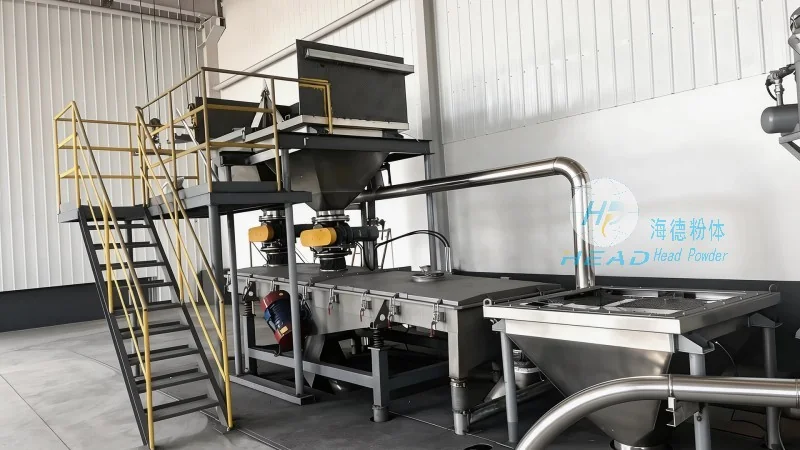
Copper sulfate pneumatic conveying systems are widely used in various industrial settings where the handling of copper sulfate is required. These include chemical manufacturing plants, mining operations, and agricultural facilities. In chemical manufacturing, the system is used to transport copper sulfate from storage to processing units, ensuring a continuous supply of material. In mining operations, it helps in the transport of copper sulfate from ore processing to storage areas. In agricultural applications, the system is used to distribute copper sulfate as a fungicide or fertilizer, improving crop yields and plant health. The versatility of the system makes it suitable for a wide range of applications, from small-scale operations to large industrial plants.
Maintenance and Operational Considerations
Proper maintenance of the copper sulfate pneumatic conveying system is crucial to ensure its long-term performance and reliability. Regular inspections of the hopper, feeder, and conveying line are necessary to check for wear and tear or blockages. The air compressor should be maintained according to the manufacturer's guidelines to ensure optimal air pressure and flow. The dust collection system should be cleaned regularly to prevent clogging and maintain efficiency. Operational considerations include monitoring the air velocity and pressure to ensure the system is operating within the recommended parameters. Adjustments may be needed based on changes in the material's characteristics or the length of the conveying line. Proper training of operators is also essential to ensure safe and efficient operation of the system. By following these maintenance and operational guidelines, users can maximize the lifespan of the equipment and minimize downtime.