

Introduction to Chromic Oxide Pneumatic Conveying: Structure and Principle Explanation
Chromic oxide, a key industrial chemical, often requires efficient and reliable material handling solutions for its transportation. Pneumatic conveying systems have emerged as a preferred method for moving this material due to their ability to handle fine powders like chromic oxide with precision and minimal loss. This article provides an overview of the chromic oxide pneumatic conveying process, focusing on its structural design and operational principles.
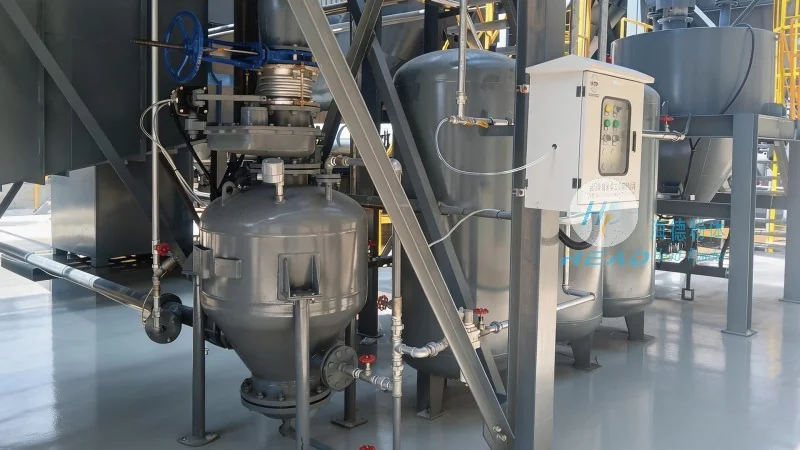
Structural Components of Pneumatic Conveying Systems for Chromic Oxide
The pneumatic conveying system for chromic oxide typically consists of several critical components that work in tandem to ensure smooth material transport. At the core is the material feed hopper, which stores and regulates the flow of chromic oxide powder. This hopper is equipped with a feeding mechanism, such as a rotary valve or a screw feeder, that controls the discharge rate into the conveying line. The hopper is designed to minimize dust generation and maintain consistent material feed, which is crucial for stable system operation.
Following the feed hopper is the conveying line, which can be either positive or negative pressure, depending on the system configuration. For chromic oxide, a positive pressure system is often preferred as it provides better control over the material flow and reduces the risk of clogging. The line is usually made of corrosion-resistant materials, such as stainless steel or special alloys, to withstand the chemical properties of chromic oxide and prevent material degradation. The diameter and length of the conveying line are carefully selected based on the material's characteristics, including particle size, density, and flowability, to ensure optimal performance.
Principle of Operation in Chromic Oxide Pneumatic Conveying
The operation of a chromic oxide pneumatic conveying system relies on the principle of air movement to transport the material. In a positive pressure system, a blower or a compressor generates high-pressure air that is introduced into the conveying line at the inlet. The air flows through the line, carrying the chromic oxide particles along with it. The velocity of the air must be sufficient to overcome the gravitational force and the frictional resistance of the particles, ensuring they remain suspended and move efficiently to the destination.
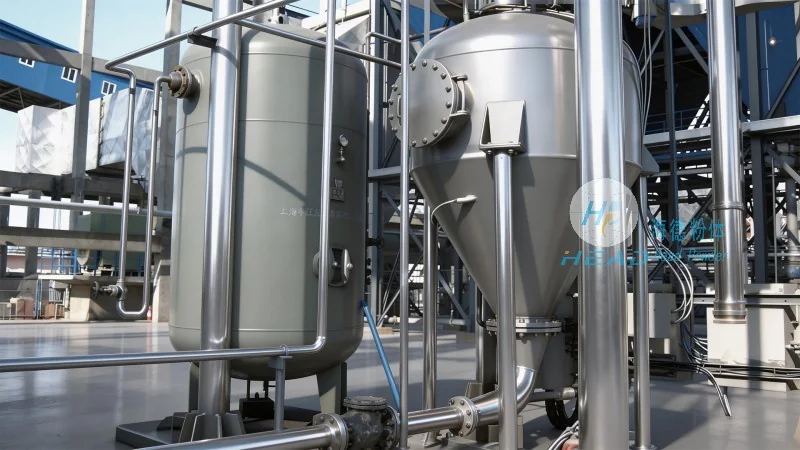
At the receiving end, the system typically includes a separator or a cyclone to separate the air from the material. The separator uses centrifugal force to pull the heavier chromic oxide particles out of the air stream, allowing the cleaned air to be recirculated or discharged. The separated material is then collected in a receiving hopper or a storage tank. The control system, which may include sensors and valves, monitors the pressure, flow rate, and other parameters to maintain optimal operation and prevent issues like overloading or clogging.
Key Considerations for System Design and Maintenance
Designing a pneumatic conveying system for chromic oxide requires careful consideration of several factors to ensure long-term reliability and efficiency. Material selection is critical, as chromic oxide can be corrosive and abrasive. Components such as hoppers, pipes, and valves must be made from materials that can withstand these conditions, such as stainless steel, PTFE, or specialized alloys. The system must also be designed to handle the specific properties of chromic oxide, including its particle size distribution, moisture content, and flow characteristics.
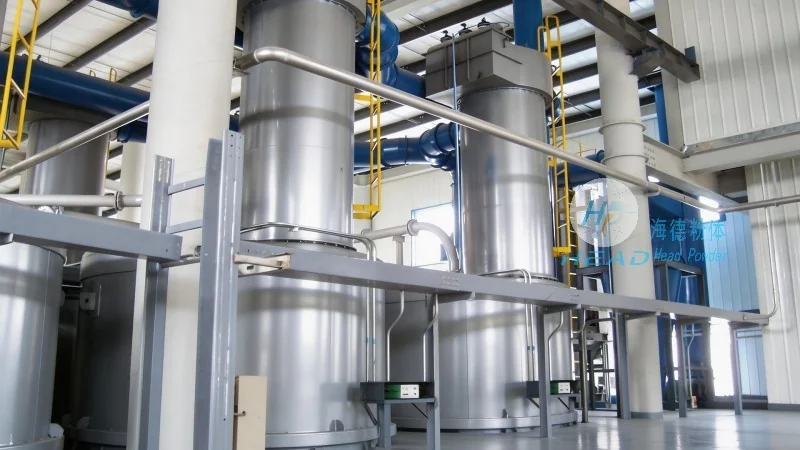
Maintenance is another important aspect of operating a chromic oxide pneumatic conveying system. Regular inspections and cleaning of the conveying line and components are necessary to prevent buildup of material and ensure smooth operation. Filters and separators should be checked and replaced as needed to maintain air quality and prevent contamination. The feeding mechanism and control system also require periodic maintenance to ensure they function correctly and maintain the desired flow rates.
About Shandong HeadPowder Engineering Co., Ltd.
Shandong HeadPowder Engineering Co., Ltd., commonly known as headpowder, is a leading provider of industrial material handling solutions. With a focus on innovative and efficient systems, the company specializes in the design, manufacturing, and installation of pneumatic conveying equipment for various industries, including chemical, pharmaceutical, and food processing. HeadPowder's expertise lies in understanding the unique challenges of handling materials like chromic oxide and developing tailored solutions that meet the specific needs of clients.
HeadPowder is committed to quality and reliability, adhering to international standards in the design and production of its equipment. The company's facilities are equipped with advanced technology and skilled personnel to ensure that each system is built to the highest specifications. With a strong presence in China, particularly in Shandong, headpowder serves a wide range of clients, providing them with reliable and cost-effective material handling solutions that enhance their operational efficiency and productivity.