

Operation Process and Working Principle of Pneumatic Conveying Systems for Paper Sheet Materials
HeadPowder Engineering, a leading manufacturer based in Shandong, China, specializes in the design, development, and implementation of advanced pneumatic conveying systems tailored for paper sheet materials. These systems are engineered to efficiently transport paper sheets from one location to another, ensuring minimal material loss, reduced contamination, and enhanced operational reliability. The following sections detail the operation process and working principles of such systems, highlighting key components and their functions.
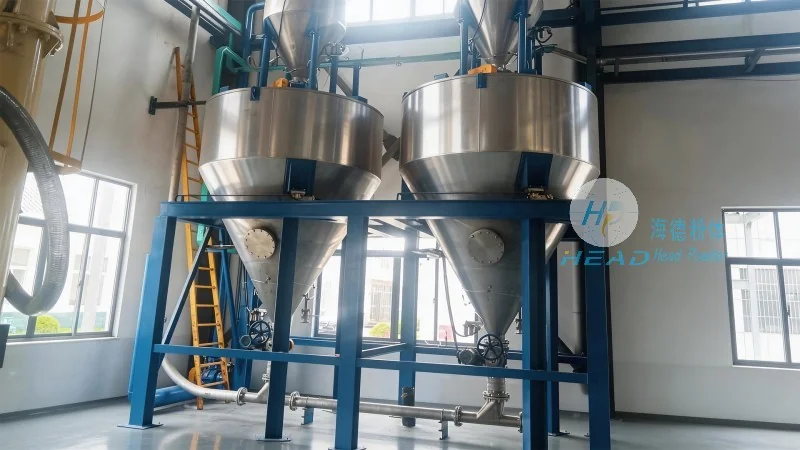
Key Components of the Pneumatic Conveying System
The pneumatic conveying system for paper sheet materials typically consists of several critical components that work in tandem to achieve effective material transport. These components include a hopper for material storage, a rotary valve or feeder to control the flow of paper sheets, a conveying line (usually made of stainless steel or other corrosion-resistant materials), a pressure vessel or receiver to collect the material at the destination, and a blower or compressor to generate the necessary air pressure. Each component plays a vital role in maintaining the system's efficiency and safety.
Operation Process of the Pneumatic Conveying System
The operation process of the pneumatic conveying system for paper sheet materials involves a series of coordinated steps. Initially, paper sheets are loaded into the hopper from the source location. The rotary valve or feeder then regulates the flow of paper sheets into the conveying line, ensuring a consistent and controlled feed rate. Simultaneously, the blower or compressor generates a high-pressure air stream that travels through the conveying line, creating a vacuum or positive pressure environment. As the air flows, it entrains the paper sheets, carrying them along the pipeline to the destination receiver. The receiver is designed to separate the air from the conveyed material, allowing the paper sheets to be discharged at the target location. The system may also include a filter or cyclone to remove any fine particles or dust from the air stream, ensuring environmental compliance and system cleanliness.
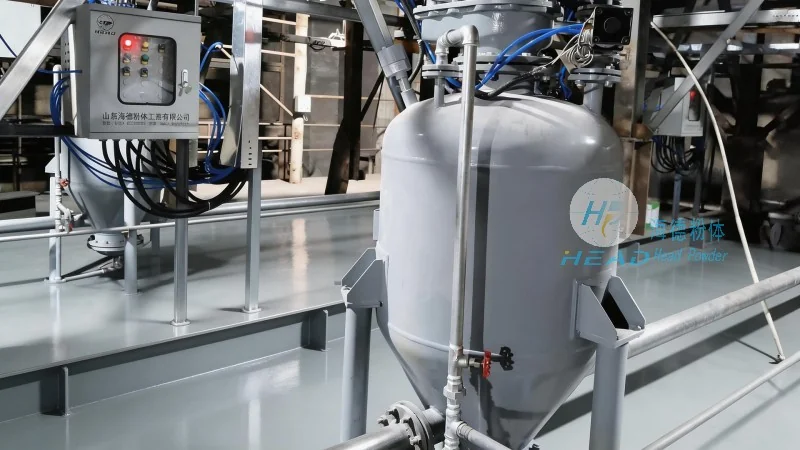
Working Principle of the Pneumatic Conveying System
The working principle of the pneumatic conveying system for paper sheet materials is based on the fundamental concept of fluidization and air movement. The system utilizes compressed air to create a flow that transports the solid material (paper sheets) through the pipeline. There are two primary modes of operation: dilute-phase and dense-phase conveying. In dilute-phase conveying, the material is suspended in the air stream as individual particles, allowing for high-velocity transport over longer distances. In dense-phase conveying, the material is conveyed in a more concentrated form, often with a lower air-to-material ratio, which is suitable for applications requiring gentle handling and reduced product degradation. The choice between these modes depends on factors such as material characteristics, distance, and desired handling conditions. The system's efficiency is determined by the balance between air pressure, flow rate, and material feed rate, all of which are carefully controlled to optimize performance and minimize energy consumption.
Advantages of Pneumatic Conveying Systems for Paper Sheet Materials
Implementing a pneumatic conveying system for paper sheet materials offers numerous advantages over traditional mechanical conveying methods. These systems provide a closed-loop operation, which significantly reduces the risk of dust contamination and environmental pollution. The enclosed pipeline prevents material exposure to external elements, ensuring product purity and compliance with regulatory standards. Additionally, pneumatic conveying systems are highly flexible, allowing for changes in material flow direction and destination without the need for extensive reconfiguration. They also offer improved safety by eliminating the need for manual handling of heavy or bulky paper sheets, reducing the risk of workplace injuries. From an operational perspective, these systems can achieve higher throughput rates and lower maintenance costs compared to traditional methods, making them a cost-effective solution for industrial applications.
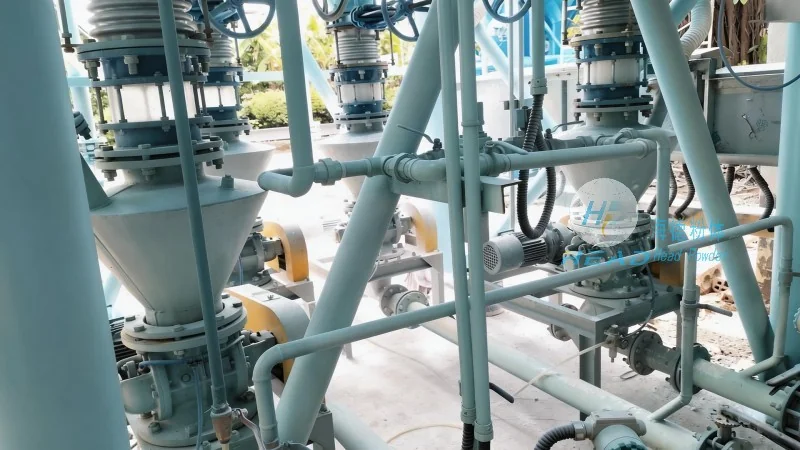
Application Scenarios and Customization
HeadPowder Engineering's pneumatic conveying systems for paper sheet materials are versatile and can be customized to meet the specific needs of various industries. Common applications include the transport of paper sheets from storage silos to processing lines in paper mills, the transfer of finished paper products from production lines to packaging areas, and the handling of waste paper or recycled materials in recycling facilities. The company's engineers work closely with clients to assess their operational requirements, material characteristics, and space constraints, then design a tailored system that maximizes efficiency and minimizes downtime. Customization options may include adjustments to the conveying line diameter, the type of blower or compressor, the material of construction (e.g., stainless steel for corrosive environments), and the control system (e.g., PLC-based automation for precise flow control).
Maintenance and Operational Considerations
To ensure the long-term reliability and performance of the pneumatic conveying system, regular maintenance and proper operational practices are essential. HeadPowder Engineering provides comprehensive maintenance services and guidelines to help clients maintain their systems in optimal condition. Key maintenance tasks include inspecting and cleaning the conveying line and components to prevent blockages or clogs, checking the blower or compressor for proper air pressure and flow, and monitoring the filter or cyclone for clogging. Operational considerations include ensuring consistent material feed rates, avoiding overloading the system, and regularly checking for any signs of wear or damage to components. By adhering to these guidelines, clients can extend the lifespan of their equipment, reduce downtime, and maintain the high efficiency of the pneumatic conveying system.