

Operation Process and Working Principle of Carbon Material Pneumatic Conveying Systems
Carbon material pneumatic conveying systems are critical for efficient material handling in various industrial sectors. These systems utilize air or gas to transport bulk carbon-based powders and granules, offering a flexible and effective solution for moving materials in applications such as carbon manufacturing, chemical processing, and food processing. The technology ensures precise and controlled material transport, which is essential for maintaining product quality and operational efficiency.
Key Components of the Pneumatic Conveying System
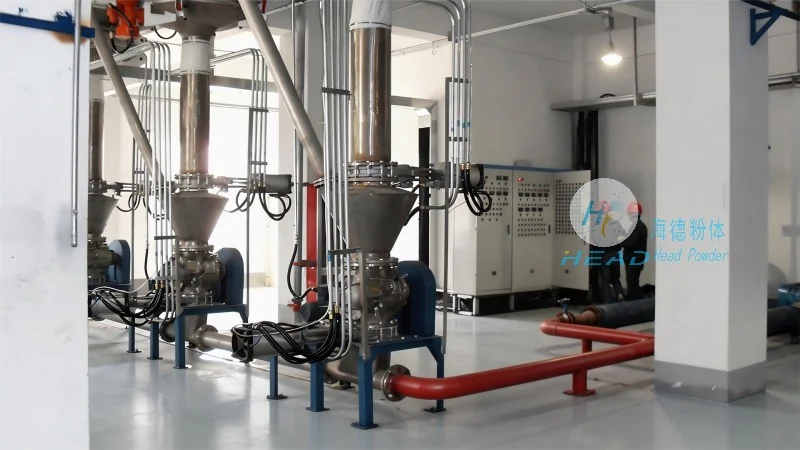
The core components of a carbon material pneumatic conveying system typically include a material hopper, a conveying line, a pressure or vacuum source, and a discharge device. The material hopper stores the carbon material, while the conveying line—often made of metal or specialized plastic—transports the material through the system. The pressure source, such as a blower or compressor, generates the necessary airflow to move the material. The discharge device, like a rotary valve or a filter, controls the release of the material at the destination, ensuring smooth and controlled discharge.
Working Principle of the System
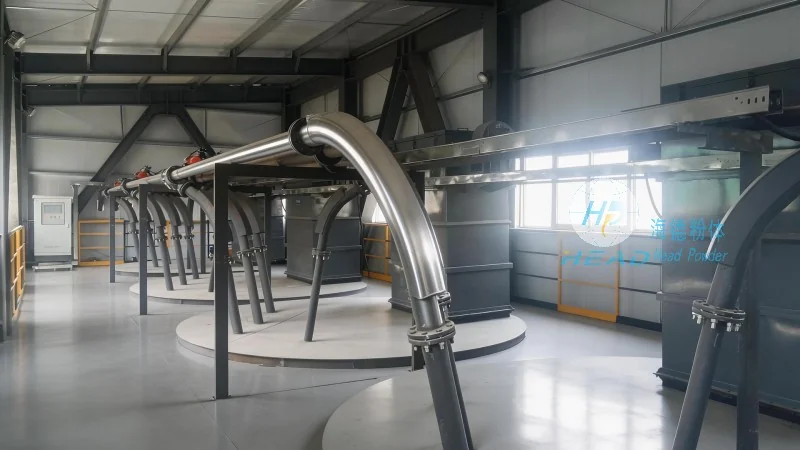
The operation of a carbon material pneumatic conveying system involves several key steps. First, the carbon material is fed from the hopper into the conveying line. The pressure source then creates a flow of air or gas, which picks up the material particles and carries them through the system in a suspended state. This suspended transport minimizes wear and tear on the equipment and ensures consistent material flow. The system can operate under either positive pressure (where air is forced into the system) or negative pressure (where air is drawn out), depending on the specific application requirements. The discharge device then releases the material at the desired location, completing the conveying process and delivering the material to its final destination.
Operation Process of the System
The operation process of a carbon material pneumatic conveying system begins with material loading into the hopper. The system is then activated by the pressure source, which starts the airflow and initiates material transport. The system maintains a consistent flow rate by adjusting the air pressure or volume as needed to accommodate varying material loads or conveying distances. During operation, it is crucial to monitor the system for any blockages or pressure changes, as these can affect efficiency and safety. Regular maintenance, including cleaning the conveying line and checking the pressure source, is essential to ensure long-term performance and prevent downtime. The system’s design allows for easy integration into existing production lines, enhancing overall operational flexibility.
About Shandong HeadPowder Engineering Co., Ltd.
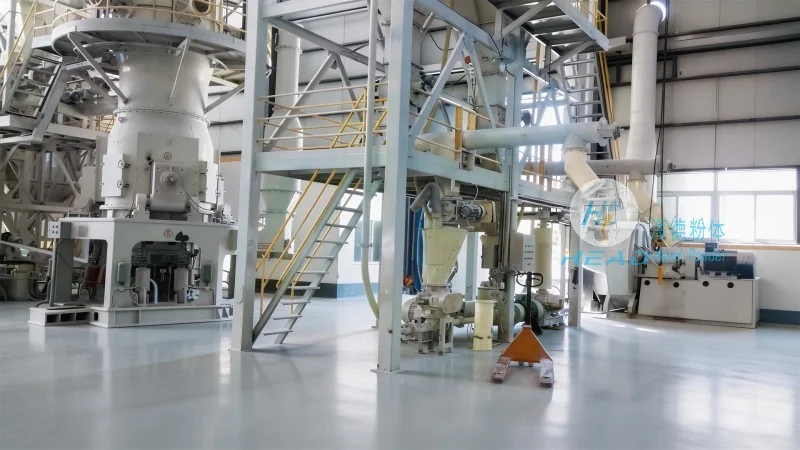
Headquartered in Shandong, China, Shandong HeadPowder Engineering Co., Ltd. (headpowder) is a leading manufacturer and supplier of advanced material handling solutions. With a focus on innovation and quality, the company specializes in designing and manufacturing carbon material pneumatic conveying systems tailored to the needs of various industries. Headpowder’s expertise lies in providing reliable and efficient systems that enhance productivity and safety in material handling operations. The company’s products are known for their durability, precision, and compliance with industry standards, making them a trusted choice for businesses worldwide. By leveraging advanced engineering and customer-centric approaches, headpowder delivers solutions that meet the evolving demands of modern industrial applications.