

Operation Process and Working Principle of Pepper Material Pneumatic Conveying System
Shandong HeadPowder Engineering Co., Ltd., a leading manufacturer in the field, specializes in the design, development, and implementation of advanced pneumatic conveying systems tailored for handling pepper materials. These systems are engineered to efficiently transport bulk pepper products from storage to processing or packaging stages, ensuring minimal product degradation and operational efficiency. The company's expertise lies in integrating robust engineering solutions that meet the unique challenges of pepper handling, such as moisture content, particle size variations, and the need for hygienic processing environments.
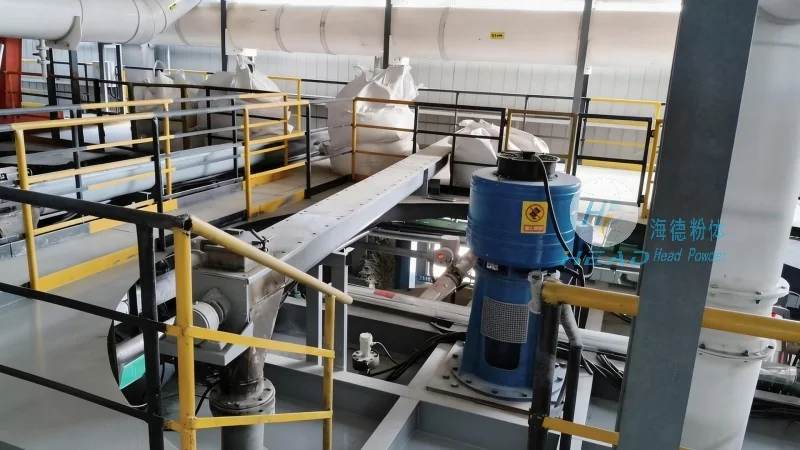
Understanding Pneumatic Conveying Technology
Pneumatic conveying systems utilize air or gas as the primary medium to transport solid materials like pepper through a network of pipes. Unlike traditional mechanical conveyors, which rely on mechanical components like belts or screws, pneumatic systems offer advantages such as reduced product contamination, lower maintenance requirements, and the ability to handle materials with high moisture content or abrasive properties. The technology operates by creating a pressure differential within the system, either by suction (negative pressure) or pressure (positive pressure), to move the material along the pipeline.
Key Components of a Pepper Material Pneumatic Conveying System
The core components of a pneumatic conveying system for pepper materials include the hopper (feeder), airlock, conveying line, and receiver. The hopper is designed to store and feed the pepper material into the system, ensuring a consistent flow. The airlock, typically a rotary or sliding valve, prevents backflow and maintains the pressure differential. The conveying line, made from materials resistant to corrosion and abrasion (e.g., stainless steel or special alloys), transports the pepper particles. The receiver collects the material at the destination point, often equipped with a discharge valve for controlled release.
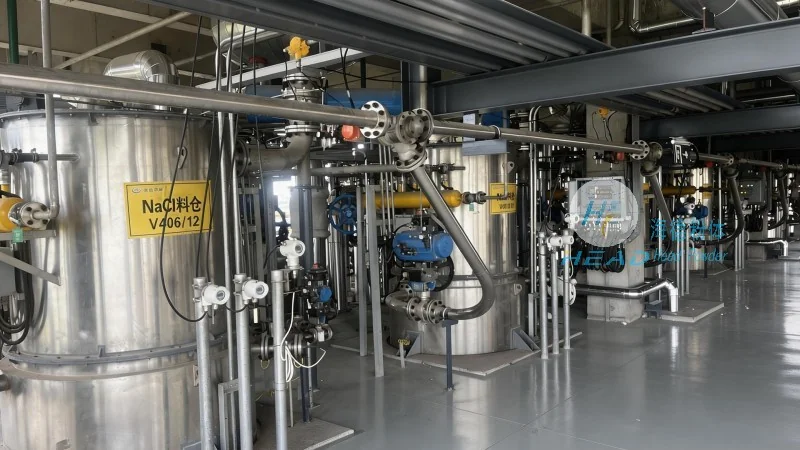
The Operation Process: From Loading to Discharge
The operation of a pepper material pneumatic conveying system follows a systematic process. Initially, the pepper is loaded into the hopper from a storage silo or bulk container. The feeder mechanism then regulates the flow rate, ensuring a steady supply to the system. Simultaneously, the air compressor or blower generates the necessary air pressure or suction. The air and pepper mixture enters the conveying line, where the air velocity is maintained above the material's terminal velocity to prevent settling. As the mixture travels through the pipeline, it may encounter bends, expansions, or restrictions, which are designed to minimize pressure loss and maintain efficient transport. Upon reaching the receiver, the pepper is separated from the air using a cyclone or filter, and the pepper is discharged into the next processing stage. The system then returns the air to the compressor, completing the cycle.
Working Principle: Pressure and Suction Modes
Pneumatic conveying systems operate based on two primary principles: pressure and suction. In pressure systems, the air compressor supplies high-pressure air to the conveying line, pushing the pepper material through the pipeline. This mode is suitable for short to medium distances and when the material is light or has low moisture content. In suction systems, a vacuum pump creates a negative pressure at the receiver end, drawing the pepper material into the pipeline. This method is ideal for long-distance transport or when the material is heavy or has high moisture content, as it can handle larger volumes with lower air velocities.

Advantages of Using Pneumatic Conveying for Pepper Handling
Implementing pneumatic conveying systems for pepper materials offers several benefits. Firstly, it eliminates the need for manual handling, reducing labor costs and improving workplace safety. Secondly, the enclosed system minimizes dust and contamination, which is critical for maintaining the quality and hygiene of pepper products. Thirdly, the system can handle varying particle sizes and moisture levels without clogging, ensuring consistent performance. Additionally, pneumatic conveyors are compact and can be integrated into existing processing facilities, making them a flexible solution for different production scales.
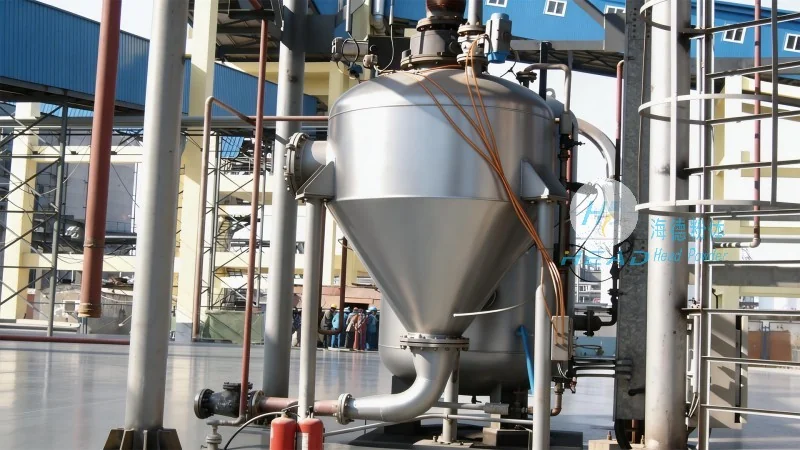
Application Examples in Pepper Processing
Shandong HeadPowder Engineering Co., Ltd. has successfully implemented pneumatic conveying systems in various pepper processing facilities. For instance, in a chili powder production plant, the system efficiently transports dried chili flakes from the drying oven to the grinding and sieving units. In another application, the system handles whole peppers from the sorting line to the cleaning and cutting stations. These applications demonstrate the versatility of pneumatic conveying in streamlining the entire pepper processing workflow, from raw material intake to final product packaging.
Maintenance and Operational Considerations
To ensure optimal performance and longevity of the pneumatic conveying system, regular maintenance is essential. This includes checking the air compressor or blower for proper operation, inspecting the conveying line for blockages or wear, and cleaning the air filters and cyclones. Additionally, monitoring the system's pressure and flow rates helps detect any issues early, preventing downtime. Proper training of operators on the system's operation and safety protocols is also crucial to maintain efficiency and safety in the workplace.