

Operation Process and Working Principle of a Calcium Powder Material Pneumatic Conveying System
For industries dealing with calcium powder, efficient material handling is crucial to maintain production efficiency and product quality. A pneumatic conveying system offers a reliable solution for transporting calcium powder from storage to processing units. This article provides an in-depth look at the operation process and working principle of such a system, highlighting the technical aspects and practical applications.
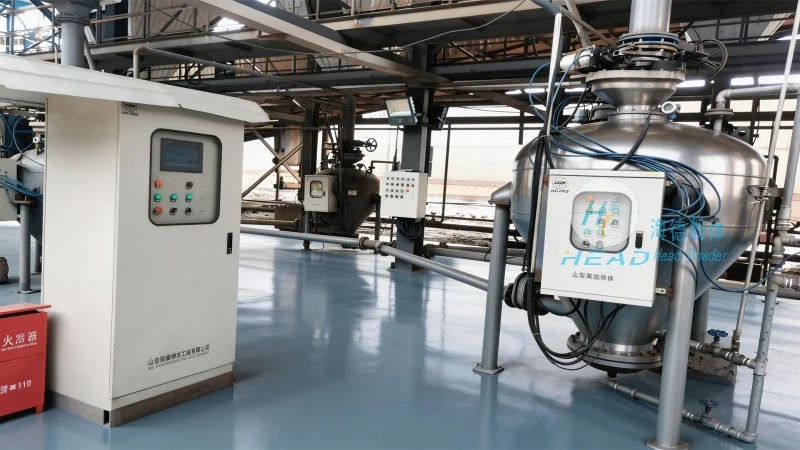
Company Overview: Shandong HeadPowder Engineering Co., Ltd.
Shandong HeadPowder Engineering Co., Ltd., based in Shandong, China, specializes in the design, manufacturing, and installation of advanced material handling systems. With years of experience in the industry, the company has developed expertise in creating customized pneumatic conveying solutions tailored to the unique needs of clients in various sectors, including chemical, food, and pharmaceutical industries. The company’s commitment to quality and innovation ensures that its systems meet the highest standards of performance and durability.
Understanding Pneumatic Conveying Systems
A pneumatic conveying system uses air or gas to transport bulk materials like calcium powder through a pipeline network. This method eliminates the need for mechanical components such as conveyors or elevators, reducing maintenance costs and improving operational flexibility. The system typically consists of several key components, including a material feed hopper, a conveyor line, a control unit, and a dust collection system. Each component plays a vital role in ensuring the smooth and efficient transfer of calcium powder.
Working Principle of the System
The core of the pneumatic conveying system lies in the interaction between the material and the air flow. The process begins with the material being fed into the hopper from a storage silo. A rotary valve or feeder then meters the calcium powder into the conveyor line at a controlled rate. Simultaneously, a fan or blower generates a high-pressure air stream that moves through the pipeline. As the air flows, it entrains the calcium powder particles, creating a dense or dilute phase flow depending on the system design. The air and material mixture travels through the pipeline to the destination point, where a separator or cyclone separates the powder from the air. The air is then filtered and discharged, while the calcium powder is collected in a receiving bin or processing unit.
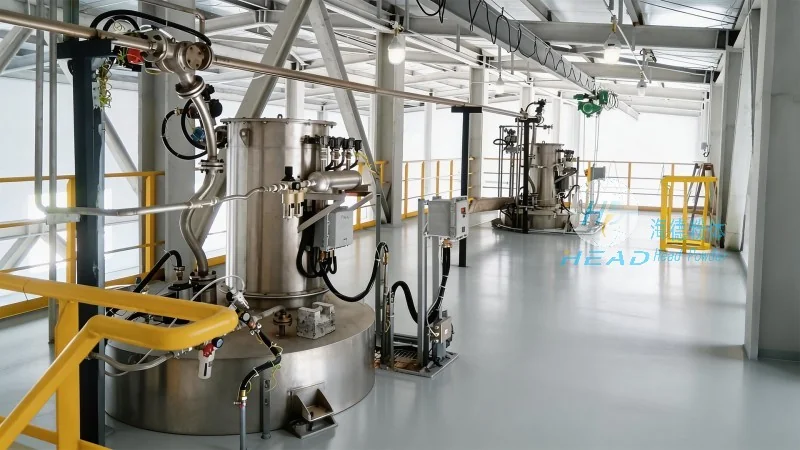
Operation Process: Step-by-Step Guide
The operation of a calcium powder pneumatic conveying system involves several sequential steps that ensure consistent and reliable material transfer. The first step is the preparation phase, where the system is checked for proper functioning, including air pressure, material feed rate, and equipment integrity. Once the system is ready, the feed hopper is filled with calcium powder. The control unit then activates the fan and feeder, initiating the material transfer. The system continuously monitors the flow rate and pressure, adjusting parameters as needed to maintain optimal performance. During operation, the dust collection system captures any airborne particles, ensuring a clean and safe working environment. The process concludes when the material is fully transferred to the receiving unit, and the system is shut down and maintained as per the manufacturer’s guidelines.
Key Components and Their Functions
Several critical components are integral to the efficient operation of a pneumatic conveying system for calcium powder. The material feed hopper stores the powder and provides a consistent feed to the system. The rotary valve or feeder controls the flow rate, preventing overloading and ensuring smooth material transfer. The conveyor line, typically made of stainless steel or other corrosion-resistant materials, transports the powder and air mixture. The fan or blower generates the necessary air pressure to move the material. The separator or cyclone separates the powder from the air, allowing the air to be recycled or discharged. The dust collection system, often equipped with filters, ensures compliance with environmental regulations and maintains a safe workplace. Each component is designed to withstand the abrasive nature of calcium powder and operate under high-pressure conditions.
Advantages of Pneumatic Conveying for Calcium Powder
Implementing a pneumatic conveying system for calcium powder offers numerous advantages over traditional mechanical methods. One of the primary benefits is the reduction in material degradation, as the system minimizes friction and impact during transport. This is particularly important for calcium powder, which can be sensitive to moisture and temperature changes. Additionally, the system provides a dust-free and enclosed environment, enhancing workplace safety and product purity. The flexibility of the system allows for easy integration with existing production lines and the ability to transport materials over long distances without the need for multiple transfer points. Furthermore, the system’s low maintenance requirements and energy efficiency contribute to cost savings over time.
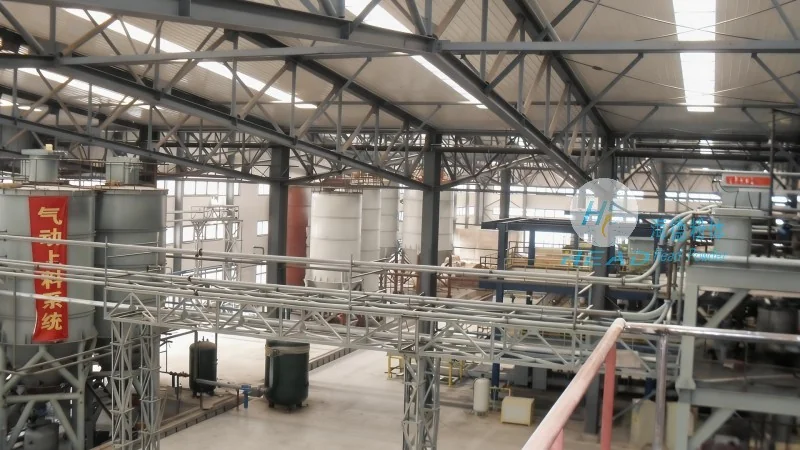
Application Examples and Case Studies
The effectiveness of pneumatic conveying systems for calcium powder is demonstrated in various industrial applications. For instance, in the chemical industry, calcium powder is used as a raw material in the production of calcium carbonate, and the system ensures a continuous supply to the reaction vessels. In the food industry, calcium powder is used as a fortifier in dairy products, and the system maintains the powder’s quality during transport to processing facilities. A case study from Shandong HeadPowder Engineering Co., Ltd. involved a client in the pharmaceutical sector, where the system was installed to transport calcium powder to a tablet manufacturing line. The system improved production efficiency by reducing downtime and ensuring consistent material quality, leading to increased customer satisfaction.
Maintenance and Troubleshooting Tips
To ensure the long-term performance of a calcium powder pneumatic conveying system, regular maintenance is essential. The company recommends routine checks of the fan and blower for proper air pressure and flow. The conveyor line should be inspected for signs of wear or blockages, and the rotary valve or feeder should be cleaned to prevent material buildup. The dust collection system filters should be replaced or cleaned as needed to maintain efficiency. Common issues such as clogging or pressure drops can often be resolved by adjusting the feed rate or checking for blockages in the pipeline. If persistent problems occur, consulting the manufacturer’s technical support is recommended to address any underlying issues.
Conclusion
A pneumatic conveying system for calcium powder is a sophisticated and efficient solution for material handling in various industries. By understanding the working principle and operation process, users can optimize the system for their specific needs, ensuring reliable and high-quality material transfer. Shandong HeadPowder Engineering Co., Ltd. continues to innovate in the field, providing customized solutions that meet the evolving demands of the market. With proper maintenance and operation, such systems offer significant benefits in terms of productivity, safety, and cost-effectiveness.