

Operation Process and Working Principle of Intermittent Feeding Material Pneumatic Conveying System
Intermittent feeding material pneumatic conveying systems are sophisticated industrial solutions designed to transport bulk materials over short to medium distances with precision and efficiency. These systems are particularly valuable in applications where material handling requires controlled, periodic feeding, ensuring consistent flow and minimizing material degradation. The technology integrates pneumatic principles with mechanical feeding mechanisms to achieve reliable material transfer, making it suitable for a wide range of industries including food processing, pharmaceuticals, and chemical manufacturing.
Core Components and Their Functions
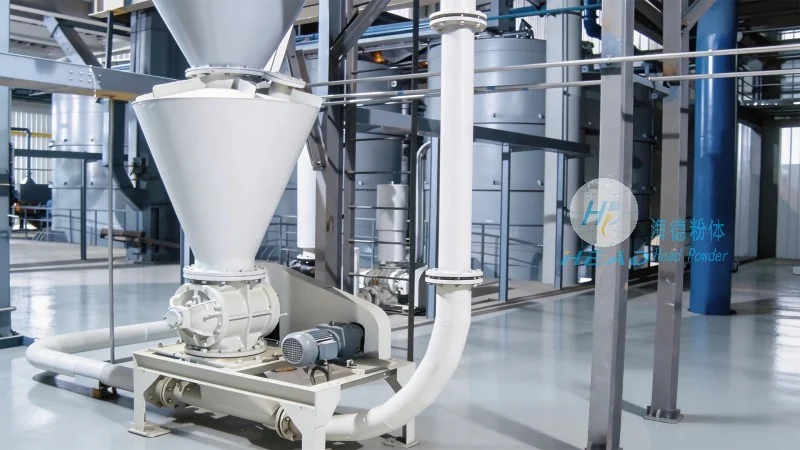
The operation of an intermittent feeding material pneumatic conveying system relies on several key components, each playing a critical role in the overall process. The primary components include a hopper for material storage, a feeder to control the release of material, a conveying line (often equipped with air ducts), a receiver for the delivered material, and a control system to regulate the entire process. The hopper serves as the initial storage vessel, holding the bulk material until it is needed for transport. The feeder, typically a rotary or screw type, provides controlled, intermittent discharge of material into the conveying line. This controlled feeding prevents overloading the system and ensures a steady flow of material. The conveying line, usually made of metal or plastic, transports the material using compressed air, which creates a pressure differential that propels the material forward. The receiver at the end of the line collects the material as it is deposited. The control system continuously monitors parameters such as pressure, flow rate, and material level, adjusting the operation to maintain optimal performance and prevent system failures.
Working Principle: Step-by-Step Operation
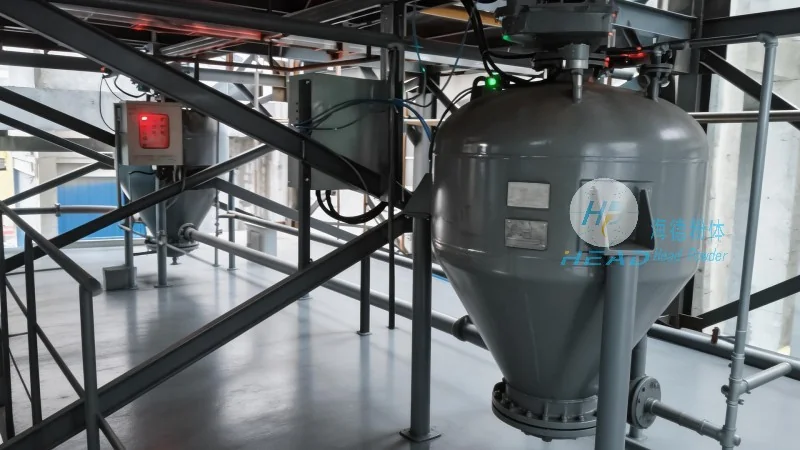
The working principle of an intermittent feeding material pneumatic conveying system involves a series of sequential steps that ensure efficient material transfer. The process begins with the material being loaded into the hopper. The feeder then starts to rotate or move, releasing a controlled amount of material into the conveying line. Simultaneously, compressed air is introduced into the line, creating a pressure differential that propels the material forward. As the material travels through the duct, it is carried by the air stream, which may include additional air to maintain flow or to prevent material settling. The receiver at the end of the line collects the material as it is deposited. The control system continuously monitors the pressure and flow, adjusting the air supply and feeder speed to maintain a consistent material flow rate. This intermittent feeding mechanism allows for precise control over the amount of material transferred, which is crucial in applications where exact dosing is required, such as in pharmaceutical or food processing industries.
Advantages of Intermittent Feeding Systems
Intermittent feeding material pneumatic conveying systems offer several advantages over continuous feeding systems, making them a preferred choice in many industrial applications. One of the key benefits is the ability to control the material flow rate precisely. By adjusting the feeder speed or the air pressure, operators can regulate the amount of material transferred, which is essential for processes that require exact dosing or batch processing. This precision reduces waste and improves product quality. Another advantage is the reduced risk of material degradation. Since the material is fed intermittently, there is less exposure to air and mechanical stress, minimizing the risk of oxidation, caking, or contamination. This is particularly important for sensitive materials like pharmaceuticals or food products. Additionally, intermittent feeding systems are more energy-efficient in some cases, as they can operate with lower air pressure and consume less energy compared to continuous systems, especially when handling materials with high moisture content or low flowability. The system also provides better control over the material's temperature, as the intermittent feeding allows for better heat management and reduces the risk of overheating during transport.
Applications and Industries
Intermittent feeding material pneumatic conveying systems are widely used across various industries due to their versatility and efficiency. In the food and beverage industry, these systems are used to transport ingredients such as flour, sugar, and spices, ensuring consistent quality and preventing contamination. The pharmaceutical industry relies on these systems for transporting active pharmaceutical ingredients (APIs) and other sensitive materials, where precision and hygiene are paramount. Chemical manufacturers use them to handle powders and granules, including those that are corrosive or reactive, requiring controlled and safe transfer. The agricultural sector also benefits from these systems, transporting grains, seeds, and other bulk agricultural products with minimal loss and degradation. Additionally, in the mining and minerals industry, intermittent feeding systems are used to transport raw materials such as ores and coal, improving the efficiency of material handling in processing plants.
Installation and Maintenance Considerations
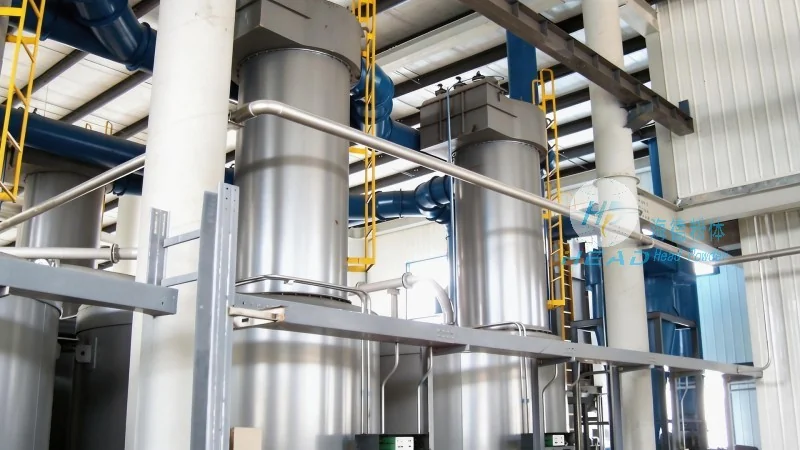
Proper installation and regular maintenance are crucial for the reliable operation of an intermittent feeding material pneumatic conveying system. During installation, it is important to ensure that the system is properly aligned and that all components are securely connected to prevent air leaks or material blockages. The hopper and feeder should be sized appropriately to handle the volume of material being processed, and the conveying line should be routed to minimize bends and obstacles that could impede flow. Regular maintenance involves checking for wear and tear on components such as the feeder, seals, and air filters. The air filter and compressor should be cleaned or replaced regularly to maintain optimal air quality and pressure. Additionally, the system should be inspected for any signs of material buildup or blockages in the conveying line, which can be addressed by flushing or cleaning the line as needed. Proper maintenance not only extends the lifespan of the system but also ensures consistent performance and reduces the risk of downtime.
Conclusion
Intermittent feeding material pneumatic conveying systems are essential industrial equipment that provides efficient, controlled, and reliable material transfer in various applications. By integrating pneumatic and mechanical principles, these systems offer precise control over material flow, reduce material degradation, and improve overall process efficiency. With proper installation and maintenance, these systems can deliver consistent performance and contribute to the success of industrial operations. As a leading provider of such systems, Shandong HeadPowder Engineering Co., Ltd. specializes in designing and manufacturing high-quality intermittent feeding material pneumatic conveying solutions tailored to the specific needs of different industries, ensuring optimal performance and reliability for their clients.