

Operation Process and Working Principle of Large-Scale Bulk Material Pneumatic Conveying Systems
Large-scale bulk material pneumatic conveying systems are sophisticated industrial solutions designed to transport bulk materials over long distances with high efficiency and minimal maintenance. These systems are widely used in various industries, including food processing, chemical manufacturing, and mining, due to their ability to handle a wide range of materials while ensuring safety and environmental compliance. The operation process and working principle of such systems involve several key components and steps that work in tandem to achieve seamless material transfer.
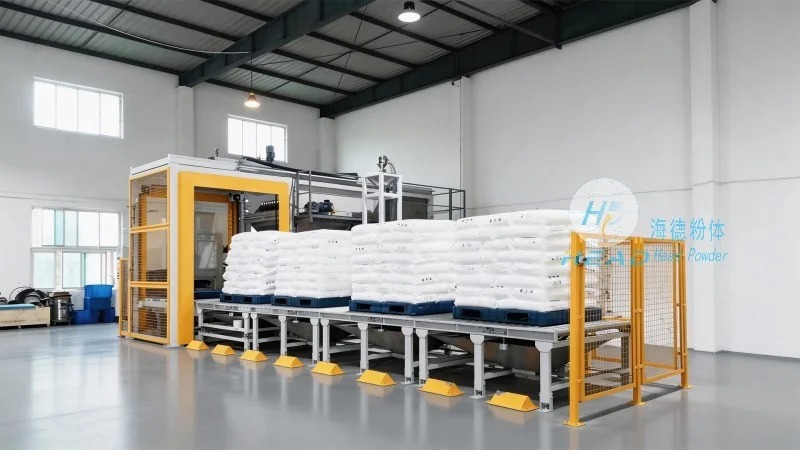
Key Components of Pneumatic Conveying Systems
The core components of a large-scale pneumatic conveying system typically include a material hopper, a conveyor line, a blower or air compressor, a filter system, and a discharge unit. The material hopper is where bulk materials are stored and fed into the system. It is equipped with a feeder, such as a rotary valve or a screw feeder, which controls the flow rate of the material into the conveyor line. The conveyor line, often made of stainless steel or other corrosion-resistant materials, is the main pathway for the material. It is connected to a blower or air compressor that generates the necessary air pressure to move the material. The filter system is crucial for maintaining air quality and preventing dust from escaping into the environment. Finally, the discharge unit collects the material at the end of the conveyor line and delivers it to the final destination.
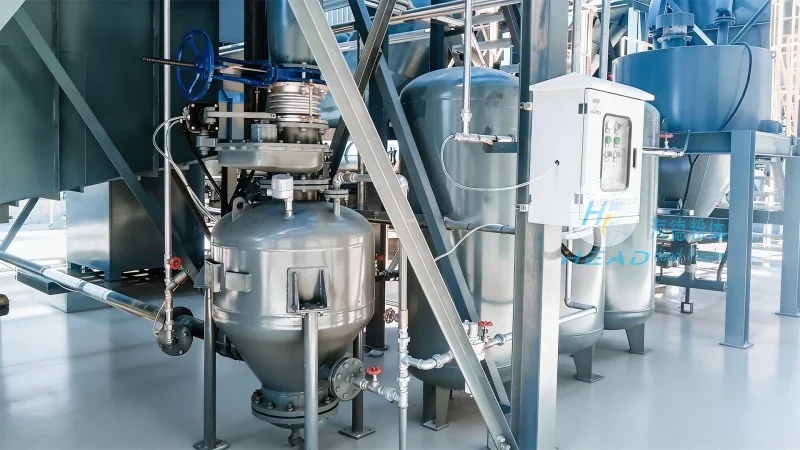
Working Principle of Pneumatic Conveying
The working principle of a pneumatic conveying system is based on the use of air to transport bulk materials. There are two main types of pneumatic conveying: dilute-phase and dense-phase. Dilute-phase systems operate at higher air velocities, typically 20-30 meters per second, and are suitable for short to medium distances. In this mode, the material is suspended in the air stream and moves through the conveyor line. Dense-phase systems, on the other hand, operate at lower air velocities and higher material concentrations, making them ideal for long-distance transport and handling of sensitive materials. The air compressor or blower provides the necessary pressure to push the material through the system. The material is fed into the conveyor line from the hopper, and the air stream carries it to the discharge point. The filter system captures any fine particles that may escape, ensuring that the air released is clean and free from contaminants.
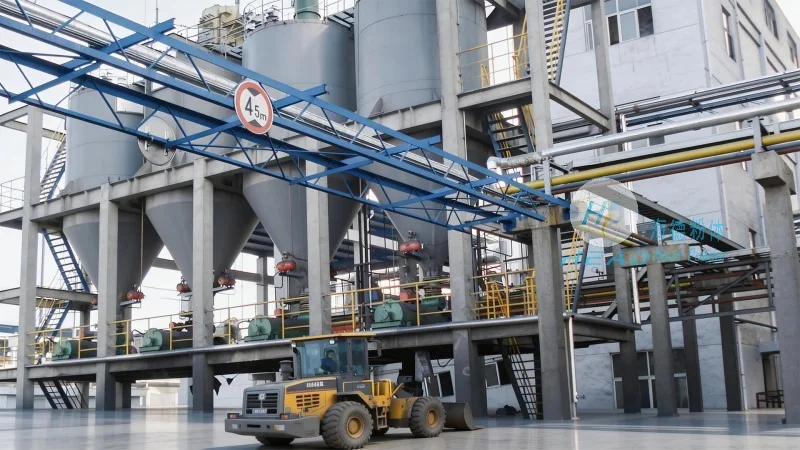
Operation Process of Large-Scale Systems
The operation process of a large-scale pneumatic conveying system involves several sequential steps. First, the bulk material is loaded into the material hopper. The feeder then regulates the flow rate, ensuring a consistent supply of material into the conveyor line. The blower or air compressor starts and generates the required air pressure. As the air flows through the conveyor line, it picks up the material particles and transports them to the discharge unit. The material is then collected and delivered to the final processing or storage location. The system is equipped with monitoring and control devices that allow operators to adjust the flow rate, air pressure, and other parameters to optimize performance. Regular maintenance, such as cleaning the filter system and checking the blower performance, is essential to ensure the system operates efficiently and reliably over time.
Advantages of Large-Scale Pneumatic Conveying Systems
Large-scale pneumatic conveying systems offer several advantages over traditional mechanical conveying methods. One of the primary benefits is the ability to transport materials over long distances without the need for multiple transfer points. This reduces the risk of material spillage and contamination. Additionally, these systems are more flexible and can be easily reconfigured to accommodate changes in production requirements. The enclosed design of the conveyor line prevents dust from escaping, improving workplace safety and environmental compliance. Another advantage is the reduced need for manual handling, which minimizes labor costs and improves worker safety. The systems are also more energy-efficient compared to other methods, as they use air as the primary medium for transport, which can be more cost-effective in the long run.
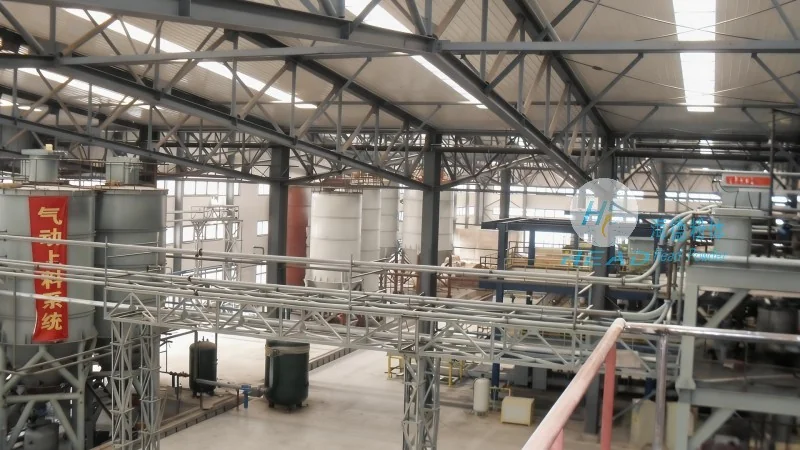
Applications in Various Industries
Large-scale pneumatic conveying systems are used in a wide range of industries due to their versatility and efficiency. In the food industry, these systems are used to transport grains, powders, and other food products, ensuring that they are handled hygienically and without contamination. In the chemical industry, they are used to transport chemicals, powders, and other materials that require careful handling to prevent reactions or contamination. The mining industry also utilizes pneumatic conveying systems to transport minerals and ores from mines to processing facilities. The systems are also used in the pharmaceutical industry to transport raw materials and finished products, ensuring that they are handled under sterile conditions. Overall, the applications of large-scale pneumatic conveying systems are diverse and continue to expand as industries seek more efficient and reliable material handling solutions.