

Operation Process and Working Principle of Powdered Sugar Pneumatic Conveying Equipment
For industrial applications involving the handling of powdered sugar, efficient and reliable material transport is crucial. The powdered sugar pneumatic conveying equipment, developed by Shandong HeadPowder Engineering Co., Ltd., offers a sophisticated solution that ensures smooth and safe operation. This equipment is designed to handle the unique properties of powdered sugar, such as its fine particle size and potential for static electricity, while maintaining high throughput and minimal product loss.
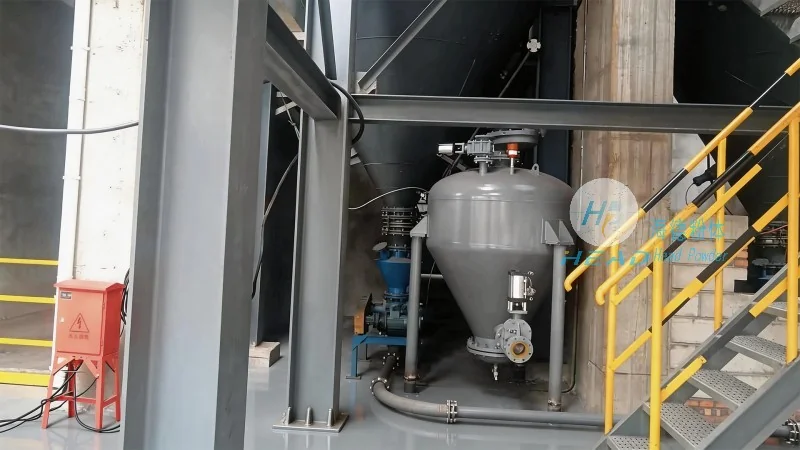
Overview of the Pneumatic Conveying System
The pneumatic conveying system for powdered sugar typically consists of several key components, including a hopper for material storage, a conveyor line, a control system, and a dust collection unit. The system operates by using compressed air to move the sugar particles through the pipeline. The design of the equipment is tailored to meet the specific requirements of the sugar industry, ensuring that the material is transported without degradation or contamination.
Operation Process of the Equipment
The operation process of the headpowder powdered sugar pneumatic conveying equipment begins with the loading of the sugar into the hopper. The hopper is equipped with a feeding mechanism that controls the flow rate of the material into the conveyor line. As the compressed air is introduced into the system, it creates a pressure differential that propels the sugar particles forward. The conveyor line is designed with appropriate bends and elbows to maintain the flow without causing blockages or excessive pressure drops. The control system monitors the pressure, flow rate, and other parameters to ensure optimal performance. At the receiving end, the sugar is discharged into a storage tank or processing unit, completing the transport cycle.
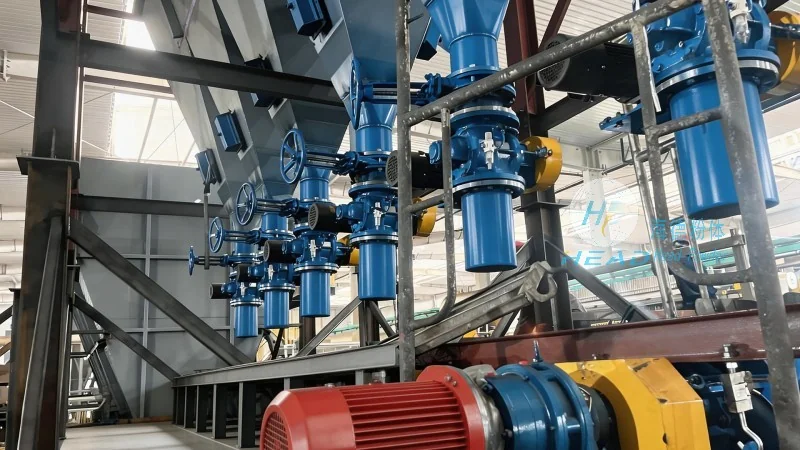
Working Principle of the Pneumatic Conveying Technology
The core working principle of the pneumatic conveying system relies on the use of air as the conveying medium. The system can be categorized into two main types: dilute-phase and dense-phase conveying. In dilute-phase conveying, the sugar particles are suspended in the air stream and transported at relatively high velocities. This method is suitable for short to medium distances and low to medium capacities. In dense-phase conveying, the sugar particles are conveyed at lower velocities with a higher air-to-material ratio, which reduces the risk of product degradation and blockages. The system uses a combination of positive and negative pressure zones to control the flow direction and maintain the stability of the material flow. The use of appropriate air filters and moisture control measures ensures that the sugar remains in optimal condition throughout the conveying process.
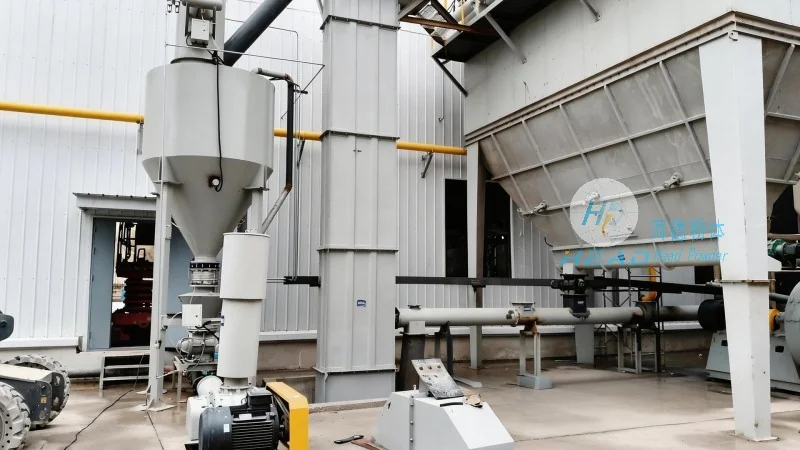
Key Features and Benefits of the Equipment
Shandong HeadPowder Engineering Co., Ltd. has integrated several advanced features into their powdered sugar pneumatic conveying equipment to enhance performance and reliability. These features include: advanced material feeding systems that prevent bridging and agglomeration, energy-efficient compressed air systems that reduce operational costs, and robust pipeline designs that minimize pressure losses and wear. The equipment is also equipped with safety features such as pressure relief valves and emergency shut-off mechanisms to prevent accidents. The benefits of using this equipment include increased production efficiency, reduced labor costs, improved product quality, and enhanced safety in the workplace.
Application and Industry Impact
The powdered sugar pneumatic conveying equipment from headpowder is widely used in various applications within the sugar industry, including sugar refineries, food processing plants, and confectionery manufacturers. The equipment is particularly effective in handling fine powdered sugar, which is often challenging to transport using traditional methods such as belt conveyors or bucket elevators. By using pneumatic conveying, the sugar can be transported over longer distances with minimal loss and without the risk of contamination from external sources. The equipment also contributes to a cleaner and more organized production environment, as it eliminates the need for manual handling and reduces the amount of dust in the workplace.