

Operation Process and Working Principle of Intelligent Material Feeding and Conveying System
Intelligent material feeding and conveying systems represent a critical component in modern industrial processes, particularly in sectors that require precise and efficient handling of raw materials. These systems are designed to automate the movement and distribution of materials from storage to processing units, ensuring optimal performance and consistency in production. The following sections will delve into the operational process and working principles of such systems, highlighting key components and their functions.
Key Components of the Material Feeding and Conveying System
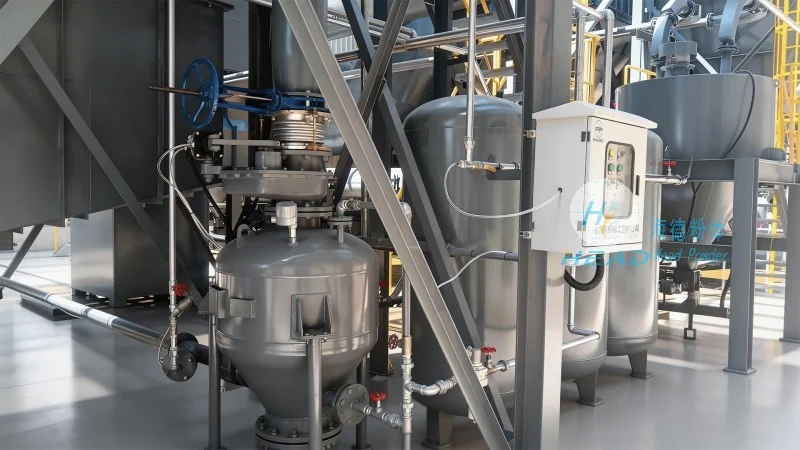
The intelligent material feeding and conveying system, as implemented by Shandong HeadPowder Engineering Co., Ltd., comprises several interconnected components that work in harmony to achieve seamless material handling. The primary components include the material storage hopper, the feeding mechanism (such as screw feeders or vibratory feeders), the conveying equipment (e.g., belt conveyors or pneumatic conveyors), and the control system. Each component plays a vital role in the overall operation, contributing to the system's efficiency and reliability.
Operation Process of the Material Feeding System
The operation process of the intelligent material feeding system begins with the material being stored in the hopper. The material is then fed into the system through the feeding mechanism, which can be adjusted to control the flow rate based on the production requirements. The feeding mechanism ensures that the material is delivered at a consistent rate, preventing overfeeding or underfeeding that could affect the downstream processes. The control system monitors the material level in the hopper and adjusts the feeding rate accordingly, maintaining a stable material supply. This automated process minimizes human intervention and reduces the risk of errors, leading to improved product quality and operational efficiency.
Working Principle of the Conveying System
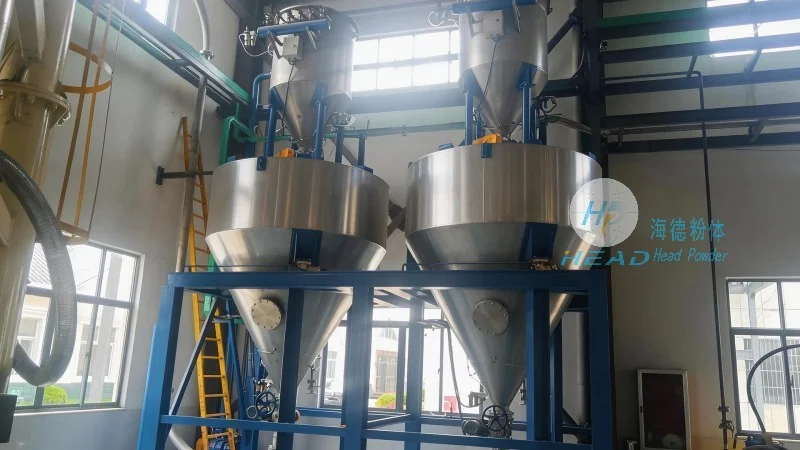
The conveying system is responsible for transporting the fed material from the feeding unit to the processing equipment. The system utilizes various conveying methods, such as belt conveyors, screw conveyors, or pneumatic systems, depending on the material characteristics and application requirements. The working principle involves the material being moved along a designated path by mechanical or pneumatic forces. For example, a belt conveyor uses a motor-driven belt to transport the material, while a screw conveyor employs a rotating screw to push the material forward. The control system regulates the speed and direction of the conveyor, ensuring that the material is delivered to the correct location at the right time. This precise control is essential for maintaining the flow rate and preventing material accumulation or blockages.
Integration with Processing Equipment
The intelligent material feeding and conveying system is designed to integrate seamlessly with the processing equipment, such as mixers, grinders, or extruders. The system ensures that the material is delivered to the processing unit in the correct quantity and at the appropriate time, enabling the processing equipment to operate continuously and efficiently. The control system coordinates the feeding and conveying processes with the processing equipment, ensuring that the material flow is synchronized with the production schedule. This integration reduces downtime and improves overall production throughput, making the system a valuable asset for industrial operations.
Advantages of the Intelligent Material Feeding and Conveying System
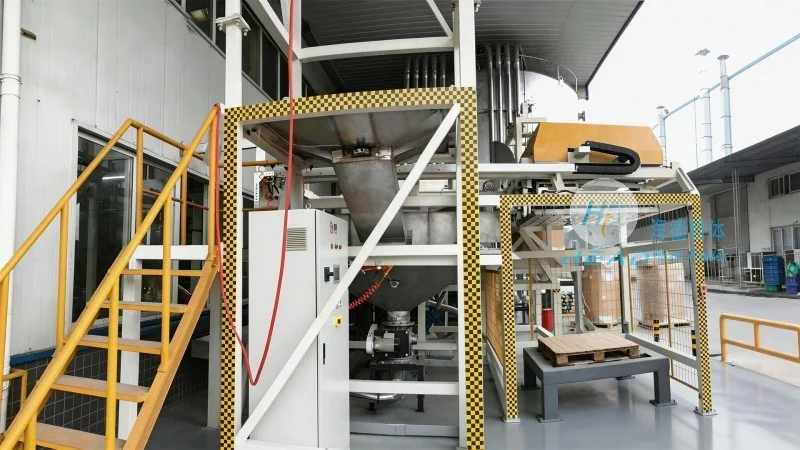
Implementing an intelligent material feeding and conveying system offers several advantages over traditional manual or semi-automated systems. Firstly, it enhances operational efficiency by automating the material handling process, reducing the time and labor required for material transport. Secondly, it improves product quality by ensuring consistent material flow and preventing contamination or segregation. Thirdly, it increases safety by minimizing human exposure to hazardous materials and reducing the risk of accidents. Additionally, the system provides real-time monitoring and control, allowing operators to adjust parameters as needed and optimize performance. These advantages make the intelligent material feeding and conveying system a cost-effective and reliable solution for modern industrial applications.
Conclusion
In conclusion, the intelligent material feeding and conveying system developed by Shandong HeadPowder Engineering Co., Ltd. is a sophisticated solution that addresses the challenges of material handling in industrial processes. Through its automated operation and precise control, the system ensures efficient and consistent material transport, contributing to improved production performance and product quality. By integrating advanced technology with industrial requirements, the system provides a reliable and adaptable solution for various applications, making it an essential component in modern manufacturing operations.