

Operation Process and Working Principle of Hybrid Material Handling Systems
Hybrid material handling systems represent a sophisticated approach to logistics and material management, integrating multiple technologies to optimize the movement, storage, and control of goods within industrial and commercial environments. These systems are designed to enhance efficiency, reduce operational costs, and improve overall workflow by combining traditional and modern handling methods. As a key player in the industry, Shandong HeadPowder Engineering Co., Ltd. specializes in the design, development, and implementation of such advanced systems, leveraging years of expertise to deliver tailored solutions for diverse applications.
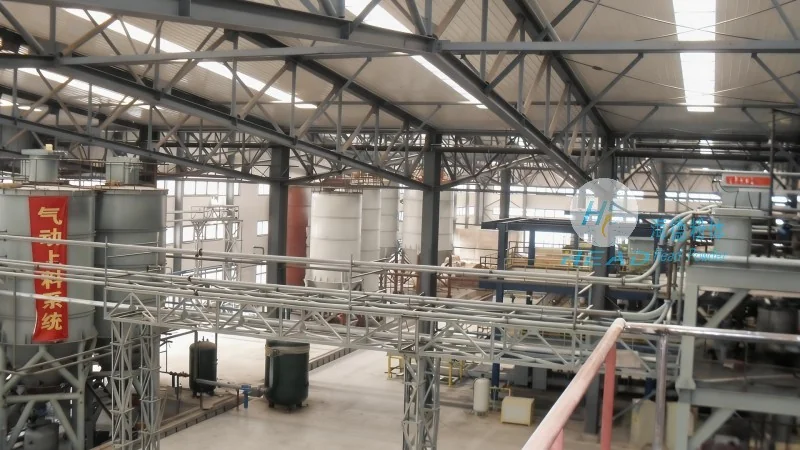
Key Components and Structure of Hybrid Material Handling Systems
At the core of hybrid material handling systems are several integrated components that work in tandem to ensure seamless operation. These typically include automated guided vehicles (AGVs), conveyor systems, robotic arms, and manual handling equipment, all coordinated by a centralized control system. The combination of these elements allows for flexibility and adaptability, enabling the system to handle a wide range of materials and tasks. For instance, in a warehouse setting, a hybrid system might use AGVs for long-distance transport of heavy loads while employing robotic arms for precise picking and placement of smaller items. This integration minimizes downtime and maximizes productivity, making it an ideal solution for high-demand operations.
Operation Process: From Input to Output
The operation process of a hybrid material handling system begins with the input of materials, which can be received from external sources or generated internally. The system then processes these materials through a series of stages, including sorting, storage, and preparation for dispatch. Each stage is managed by specific components, such as conveyor belts for sorting and AGVs for transporting items to storage locations. The control system plays a critical role here, using real-time data to optimize the flow and ensure that materials are moved efficiently. For example, when a new order is received, the system can automatically retrieve the required items from storage and route them to the packing area, reducing the need for manual intervention and minimizing errors.
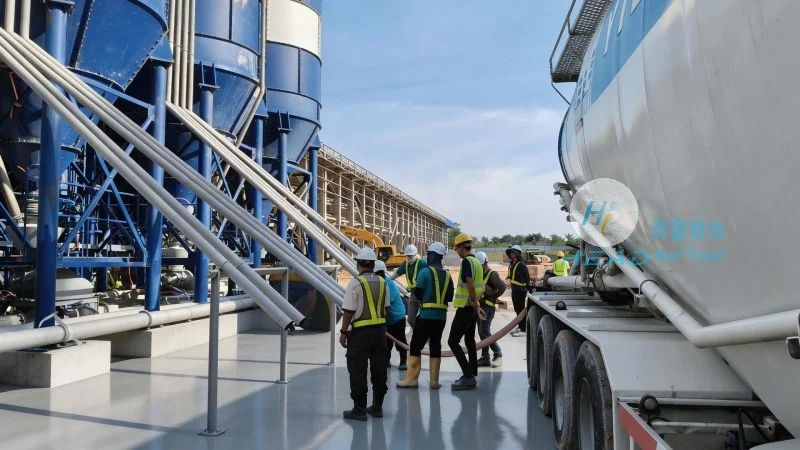
Working Principle: Integration of Technologies
The working principle of hybrid material handling systems revolves around the integration of various technologies to achieve a unified operational goal. This involves the use of sensors, software, and communication protocols to monitor and control the movement of materials. Sensors are placed throughout the system to detect the position and status of items, while software algorithms analyze this data to make decisions about the next steps in the process. Communication protocols, such as Wi-Fi or industrial Ethernet, ensure that all components are connected and can exchange information in real time. This integrated approach allows for dynamic adjustments to the system's operation, adapting to changes in demand or unexpected events. For instance, if a conveyor belt experiences a delay, the control system can reroute the affected items to an alternative path, preventing bottlenecks and maintaining overall efficiency.
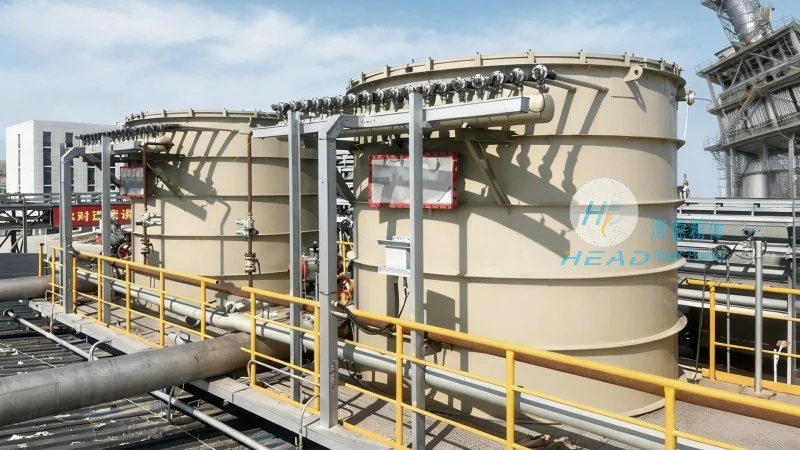
Benefits and Applications of Hybrid Material Handling Systems
Hybrid material handling systems offer numerous benefits that make them a preferred choice for many industries. These include increased efficiency, reduced labor costs, improved safety, and enhanced flexibility. The ability to combine different handling methods allows for better adaptation to varying operational needs, making it suitable for applications ranging from manufacturing and warehousing to distribution centers and logistics hubs. Shandong HeadPowder Engineering Co., Ltd. has successfully implemented hybrid systems in various sectors, including automotive, electronics, and food processing, where the need for high-speed and accurate material movement is critical. The company's expertise in system design and integration ensures that each solution is tailored to meet the specific requirements of the client, resulting in optimal performance and long-term value.
Conclusion: The Future of Material Handling
As industries continue to evolve and demand higher levels of efficiency and productivity, hybrid material handling systems are poised to play an increasingly important role in modern logistics. The integration of advanced technologies and the ability to adapt to changing conditions make these systems a reliable and effective solution for businesses looking to stay competitive. With a strong commitment to innovation and customer satisfaction, Shandong HeadPowder Engineering Co., Ltd. remains at the forefront of developing and implementing hybrid material handling systems, helping clients achieve their operational goals while optimizing their resources. By leveraging the expertise and experience of the company, businesses can enhance their material handling capabilities and drive growth in an increasingly competitive market.