

Operation Process and Working Principle of Positive Pressure Dense Phase Material Conveying
The operation process and working principle of positive pressure dense phase material conveying are crucial for efficient and reliable material handling in various industrial applications. This method is widely used to transport bulk materials, such as powders and granules, over long distances with minimal product degradation and energy consumption.
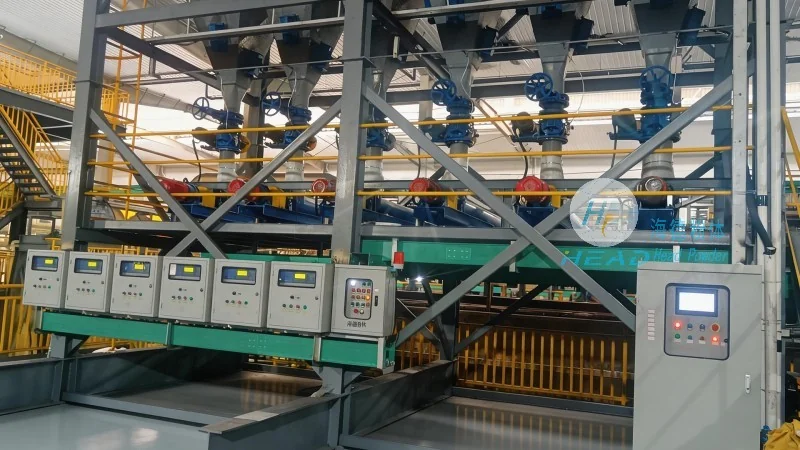
At Shandong HeadPowder Engineering Co., Ltd., we specialize in designing and manufacturing advanced conveying systems that utilize positive pressure to create a dense phase flow. Our systems are engineered to handle a wide range of materials, ensuring optimal performance and durability.
The Core Principle of Dense Phase Flow
The core principle of positive pressure dense phase conveying involves pressurizing the material in a pipeline to achieve a high solids concentration. This results in a plug flow, where the material moves as a solid plug rather than a slurry, reducing friction and wear on the system components. The process begins with the material being fed into the conveying line under pressure, typically using a positive displacement pump or a pressure blower.
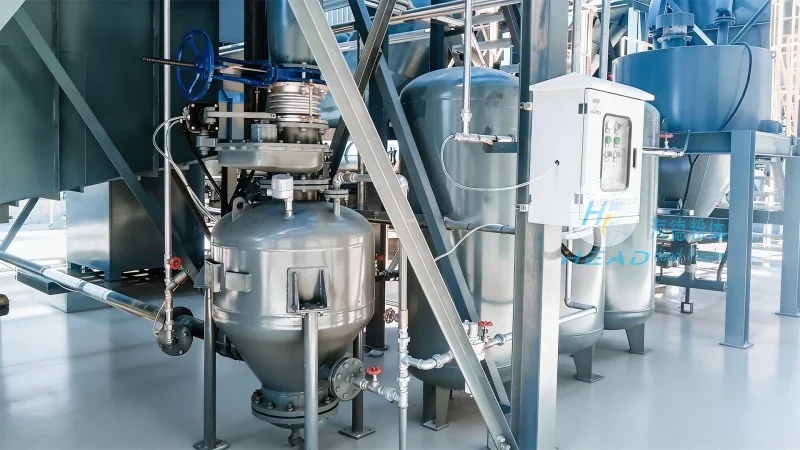
Working Principle and System Components
The working principle relies on maintaining a consistent pressure within the pipeline to keep the material in a dense phase. This is achieved by controlling the flow rate and pressure, ensuring that the material remains in a solid state throughout the conveying process. The system includes components like a hopper, feeder, pipeline, and receiver, all working in tandem to deliver the material efficiently.
Our company, Shandong HeadPowder Engineering Co., Ltd., based in Shandong, China, has extensive experience in developing customized solutions for positive pressure dense phase conveying. We understand the unique challenges of different industries, such as pharmaceuticals, food processing, and chemical manufacturing, and tailor our systems to meet specific operational requirements.
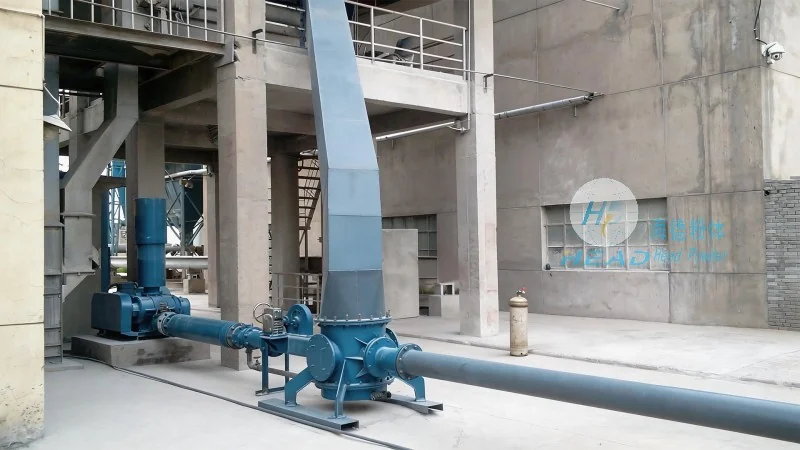
The Operation Process: Step-by-Step
The operation process typically starts with the material being loaded into a hopper. A feeder then regulates the flow of material into the conveying line, ensuring a steady supply. The positive pressure is applied to the pipeline, which forces the material to move forward. The receiver at the end of the line collects the material, completing the conveying cycle.
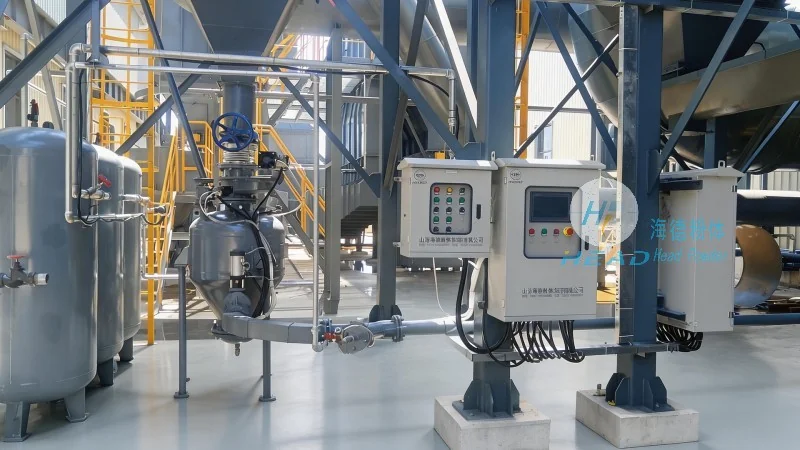
Advantages of Positive Pressure Dense Phase Conveying
Key advantages of positive pressure dense phase conveying include reduced product degradation, lower energy consumption compared to pneumatic or vacuum systems, and the ability to handle abrasive or sensitive materials without damage. The dense phase flow minimizes the risk of segregation and agglomeration, preserving the quality of the material.
Conclusion: Reliable Material Transport Solutions
In summary, the operation process and working principle of positive pressure dense phase material conveying, as implemented by Shandong HeadPowder Engineering Co., Ltd., offer a reliable and efficient solution for bulk material transport. Our expertise in system design and manufacturing ensures that clients receive tailored solutions that meet their specific needs, enhancing productivity and operational efficiency in their respective industries.