

Operation Process and Working Principle of High-Pressure Dense Phase Powder Conveying System Equipme
High-pressure dense phase powder conveying systems are sophisticated industrial solutions designed to transport bulk powders efficiently and reliably. These systems are engineered to handle a wide range of materials, from fine powders to bulk solids, ensuring minimal degradation and consistent flow. The technology behind these systems combines advanced pneumatic conveying principles with high-pressure air or gas to achieve dense phase transport, which is particularly effective for materials that are prone to caking, bridging, or segregation.
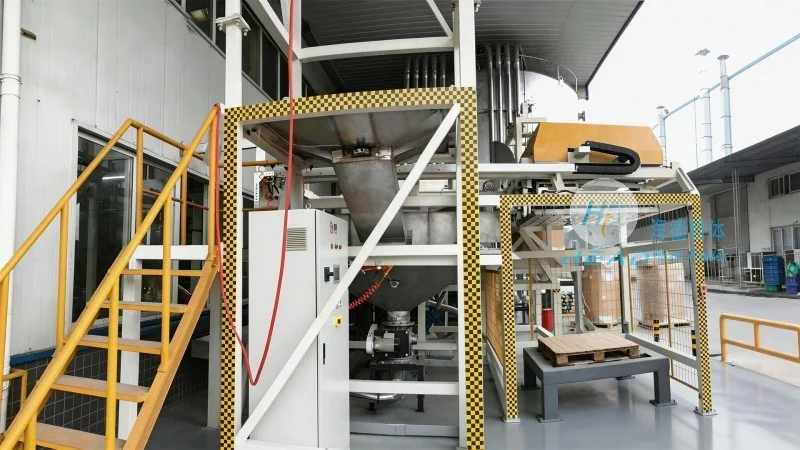
Overview of High-Pressure Dense Phase Powder Conveying Systems
At the core of high-pressure dense phase powder conveying systems is the ability to maintain a high solids concentration in the conveying medium. This is achieved by injecting air or gas at a high pressure into the powder stream, creating a dense, slug-like flow that minimizes the risk of material degradation. The system typically consists of several key components, including a feeder, a pressure vessel or pump, a pipeline network, and a receiver or discharge unit. Each component plays a critical role in ensuring the system operates efficiently and safely.
Key Components and Their Functions
The feeder is responsible for introducing the powder into the system at a controlled rate. This component ensures that the material is fed consistently, preventing overloading or underfeeding that could disrupt the conveying process. The pressure vessel or pump is the heart of the system, generating the high pressure required to move the powder through the pipeline. It can be a positive displacement pump or a pressure vessel with a piston or diaphragm that compresses the air or gas to the required pressure. The pipeline network connects the feeder to the discharge point, with bends, valves, and other fittings that are designed to withstand the high pressure and prevent leaks. The receiver or discharge unit collects the conveyed powder and may include a silo or hopper to store the material before it is used or further processed.
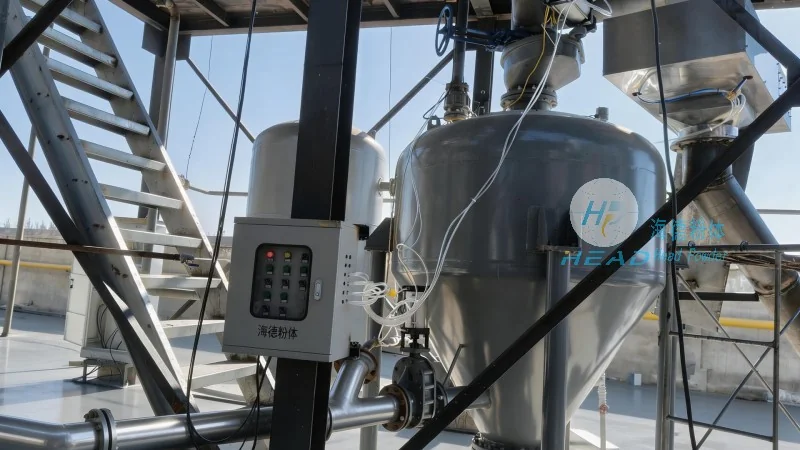
Working Principle of the Conveying Process
The operation of a high-pressure dense phase powder conveying system begins with the powder being fed into the system at a controlled rate. The feeder ensures that the material is introduced smoothly, avoiding any blockages or uneven flow. Simultaneously, high-pressure air or gas is introduced into the feeder or the pressure vessel. This high-pressure air mixes with the powder, creating a dense mixture that is then forced through the pipeline. The dense phase flow is characterized by a high solids concentration, typically ranging from 15% to 30% by volume, which reduces the velocity of the material and minimizes the risk of particle attrition. As the mixture travels through the pipeline, it is propelled by the high-pressure air, moving from the feeder to the discharge point. The pressure drop along the pipeline is managed by the system's design, ensuring that the material reaches the receiver without losing pressure or velocity. The receiver then collects the conveyed powder, which can be stored or used directly in subsequent processes.
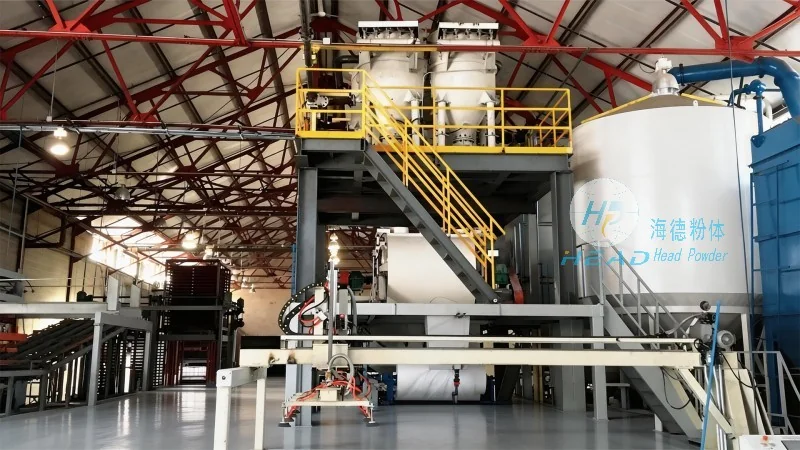
Operation Process and Control Systems
The operation of high-pressure dense phase powder conveying systems involves precise control of several parameters to ensure optimal performance. The control system monitors and adjusts the feed rate, pressure, and flow rate in real-time. Sensors are used to detect the level of powder in the feeder and the pressure in the pipeline, providing feedback to the control system. This allows for automatic adjustments to maintain consistent conveying rates and prevent overpressure or underpressure conditions. The control system may also include safety features, such as pressure relief valves and emergency shut-off mechanisms, to protect the system and personnel from potential hazards. Regular maintenance and monitoring are essential to ensure the system operates efficiently and reliably over time.
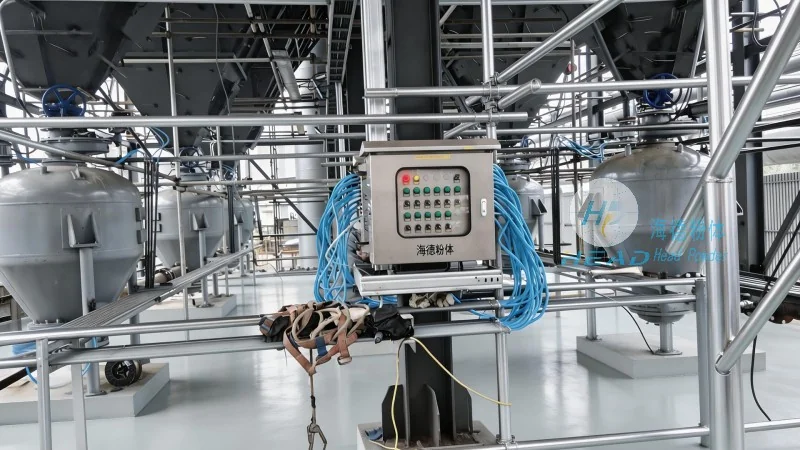
Applications and Benefits
High-pressure dense phase powder conveying systems are widely used in various industries, including chemical, pharmaceutical, food, and mining. These systems are particularly beneficial for materials that are difficult to convey using traditional methods, such as those that are prone to caking, bridging, or segregation. The benefits of using high-pressure dense phase conveying systems include improved material handling efficiency, reduced equipment wear and tear, lower energy consumption compared to other conveying methods, and enhanced safety due to the enclosed system design. The ability to maintain a high solids concentration also reduces the risk of dust emissions and improves the overall quality of the conveyed material.
About Shandong HeadPowder Engineering Co., Ltd.
Shandong HeadPowder Engineering Co., Ltd., commonly known as headpowder, is a leading manufacturer and supplier of high-pressure dense phase powder conveying systems. With years of experience in the industry, the company specializes in designing and manufacturing customized solutions tailored to the specific needs of its clients. The company's headquarters is located in Shandong, China, where it has a state-of-the-art manufacturing facility and a team of experienced engineers and technicians. Headpowder is committed to providing high-quality, reliable, and efficient powder conveying systems that meet the highest industry standards. The company's products are designed to be durable, easy to maintain, and cost-effective, ensuring that clients receive the best value for their investment. Headpowder's team of experts provides comprehensive support, from initial consultation and system design to installation, commissioning, and after-sales service, ensuring that clients receive the best possible service throughout the entire process.