

Operation Process and Working Principle of Mine Powder Conveying Equipment
HeadPowder, a leading enterprise based in Shandong, China, specializes in the design, manufacturing, and supply of advanced powder conveying equipment for the mining industry. Our company is dedicated to providing reliable and efficient solutions for transporting bulk powders in various mining operations, ensuring optimal performance and safety.
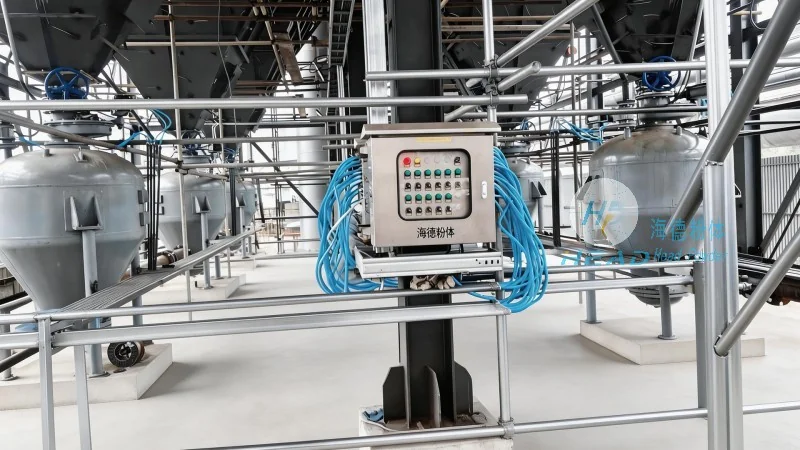
Overview of Mine Powder Conveying Equipment
Mine powder conveying equipment is a critical component in modern mining operations, responsible for the safe and efficient transportation of bulk powders such as ore, coal, and other fine materials. These systems are engineered to handle high volumes of material while maintaining low maintenance costs and minimal environmental impact. The equipment typically includes components like feeders, conveyors, and control systems, all working in harmony to ensure smooth material flow from the source to the processing plant.
The Operation Process of Mine Powder Conveying Equipment
The operation process of mine powder conveying equipment involves several key steps that ensure the continuous and reliable transport of materials. Initially, the raw material is fed into the system through a hopper or feeder, which regulates the flow rate to match the conveyor's capacity. The feeder then transfers the material to the conveyor, which may be a belt conveyor, screw conveyor, or pneumatic conveyor, depending on the specific application and material characteristics. As the material moves along the conveyor, it is transported to the processing or storage area. The control system monitors the entire process, adjusting parameters such as speed and pressure to maintain optimal performance and prevent blockages or overloading. At the end of the conveyor, the material is discharged into a silo or storage tank, completing the transport cycle.
The Working Principle of Mine Powder Conveying Equipment
The working principle of mine powder conveying equipment is based on the application of mechanical or pneumatic forces to move bulk materials. For mechanical conveyors, such as belt or screw conveyors, the material is moved by the rotation of a drive mechanism. The belt conveyor uses a continuous belt that is looped around rollers, with the material placed on the belt and carried to the discharge point by the belt's movement. The screw conveyor, on the other hand, utilizes a rotating screw inside a trough, which pushes the material forward as it rotates. Pneumatic conveyors operate by using compressed air to create a flow of material through a pipeline. The air pressure forces the material to move from the inlet to the outlet, with the velocity and pressure controlled to ensure efficient transport. Each type of conveyor is designed to handle specific material properties, such as particle size, moisture content, and density, to maximize efficiency and minimize wear and tear.
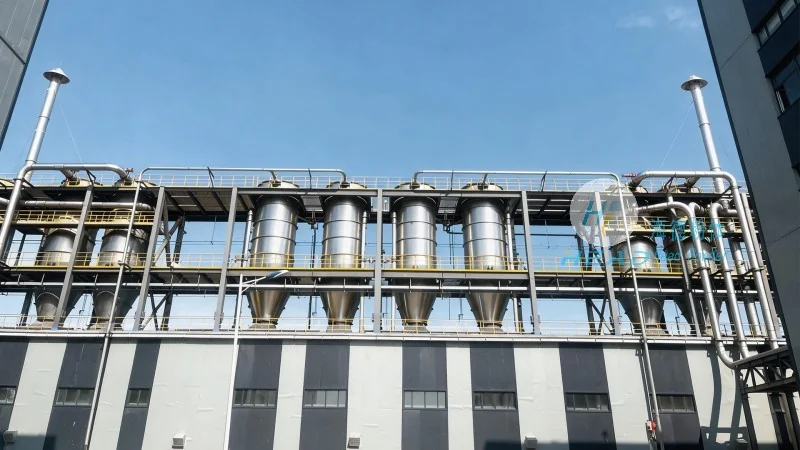
Key Components and Their Functions
The efficiency and reliability of mine powder conveying equipment depend on the proper functioning of several key components. The feeder is responsible for controlling the material flow rate, preventing overloading and ensuring a consistent feed to the conveyor. The conveyor itself is the primary transport mechanism, transferring the material from the feeder to the discharge point. The control system monitors and adjusts the operation of the feeder and conveyor, ensuring optimal performance and safety. The hopper or inlet is where the raw material is stored and fed into the system, while the discharge outlet is where the material is released after transport. Each component is designed to work in tandem, with the control system coordinating the entire process to maintain smooth and continuous operation.
Advantages of Using Mine Powder Conveying Equipment
Implementing mine powder conveying equipment offers several advantages for mining operations. Firstly, it enhances safety by reducing the need for manual handling of bulk materials, minimizing the risk of accidents and injuries. Secondly, it improves efficiency by enabling continuous and high-volume transport, reducing downtime and increasing productivity. Thirdly, it reduces labor costs by automating the material transport process, allowing fewer workers to handle larger volumes of material. Additionally, these systems are designed to minimize environmental impact by containing dust and preventing material spillage, ensuring compliance with environmental regulations. The use of advanced materials and engineering in the construction of these equipment also ensures durability and long-term reliability, reducing maintenance and replacement costs over the equipment's lifespan.
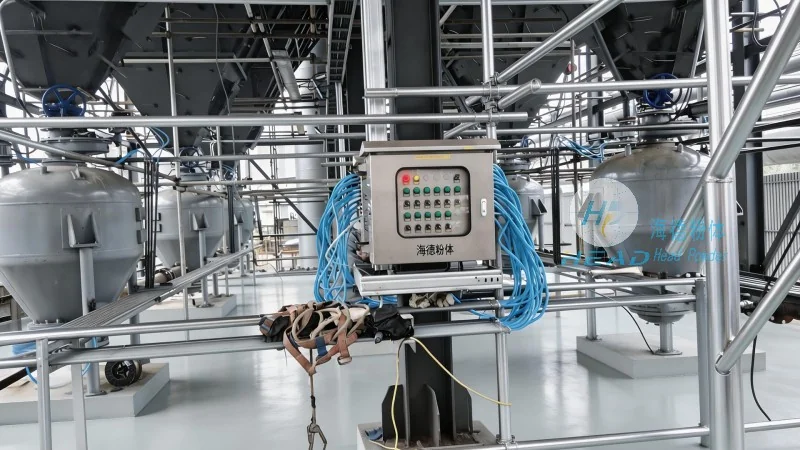
Application Examples in Mining Operations
Mine powder conveying equipment is widely used in various mining operations across different industries. In coal mining, for example, belt conveyors are commonly used to transport coal from the mine face to the processing plant or storage area. The equipment is designed to handle the high volume and weight of coal, with heavy-duty components that can withstand the harsh conditions of the mine. In metal mining, such as copper or gold mining, screw conveyors are often used to transport ore from the crushing and grinding stages to the flotation or concentration processes. These conveyors are capable of handling fine materials and maintaining a consistent flow rate, which is crucial for the efficiency of the processing plant. In cement and chemical industries, pneumatic conveyors are used to transport powders such as cement, limestone, and chemicals, which require precise control over the material flow and pressure. The versatility of mine powder conveying equipment makes it suitable for a wide range of applications, from small-scale mining operations to large industrial facilities.
Maintenance and Troubleshooting
Proper maintenance is essential to ensure the long-term performance and reliability of mine powder conveying equipment. Regular inspections and maintenance checks should be performed to identify and address potential issues before they become major problems. Common maintenance tasks include checking the condition of the conveyor belt or screw, lubricating moving parts, and cleaning the hopper and discharge area to prevent material buildup. The control system should also be regularly checked to ensure it is functioning correctly and that all sensors and indicators are working properly. In case of equipment failure or performance issues, troubleshooting steps should be taken to identify the root cause and resolve the problem. This may involve checking the material feed rate, inspecting the conveyor for blockages, or adjusting the control system settings. By following proper maintenance procedures and addressing issues promptly, the equipment can be kept in optimal condition, minimizing downtime and maximizing productivity.
Future Developments and Innovations
The mining industry is continuously evolving, and mine powder conveying equipment is also undergoing advancements to meet the changing needs of the industry. Future developments may include the integration of more advanced control systems, such as artificial intelligence and machine learning, to optimize the operation of the equipment and predict maintenance needs. Additionally, the use of more durable and corrosion-resistant materials may improve the equipment's longevity and reduce maintenance costs. The development of more energy-efficient systems, such as variable speed drives and energy recovery systems, may also contribute to reduced operational costs and environmental impact. Furthermore, the integration of sensors and IoT technology may enable real-time monitoring and data analysis, providing valuable insights into the equipment's performance and helping to improve operational efficiency. These innovations will likely lead to more reliable, efficient, and sustainable mine powder conveying equipment, supporting the growth and development of the mining industry.