

Operation Process and Working Principle of Zinc Oxide Powder Conveying System
Shandong HeadPowder Engineering Co., Ltd. specializes in the design, manufacturing, and integration of advanced powder handling systems, with a focus on efficient and reliable solutions for materials like zinc oxide. The zinc oxide powder conveying system is a critical component in industrial applications, ensuring smooth material transfer from storage to processing units. This article provides an in-depth look at the operation process and working principle of such a system, highlighting key components, operational steps, and the engineering principles that enable its functionality.
Key Components of the Zinc Oxide Powder Conveying System
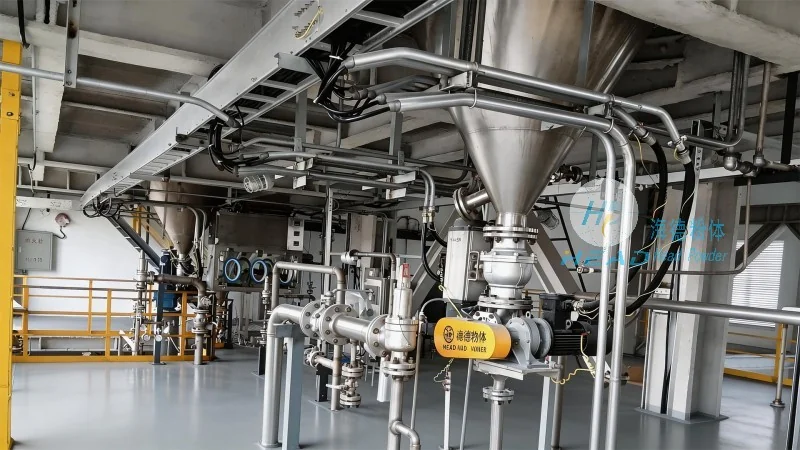
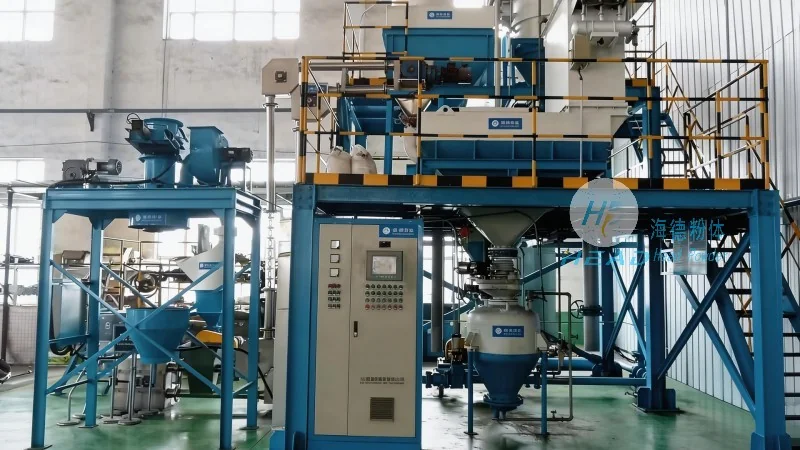
The zinc oxide powder conveying system typically consists of several interconnected components that work in harmony to achieve effective material transport. These components include hoppers for material storage, feeders to control the flow rate, conveyors (such as pneumatic or mechanical systems), and control panels for monitoring and adjustment. Each component plays a vital role in maintaining the system's efficiency and safety. For instance, the hopper is designed to store a large volume of zinc oxide powder, ensuring a consistent supply to the feeder. The feeder, often a rotary or vibratory type, regulates the flow of powder into the conveyor, preventing overloading and ensuring a steady feed rate. The conveyor system, which may use air pressure (pneumatic) or mechanical force (like screw or belt conveyors), transports the powder from the feeder to the processing equipment. The control panel integrates sensors and actuators to monitor parameters like pressure, flow rate, and temperature, allowing operators to adjust the system in real-time to maintain optimal performance.
Working Principle of the System
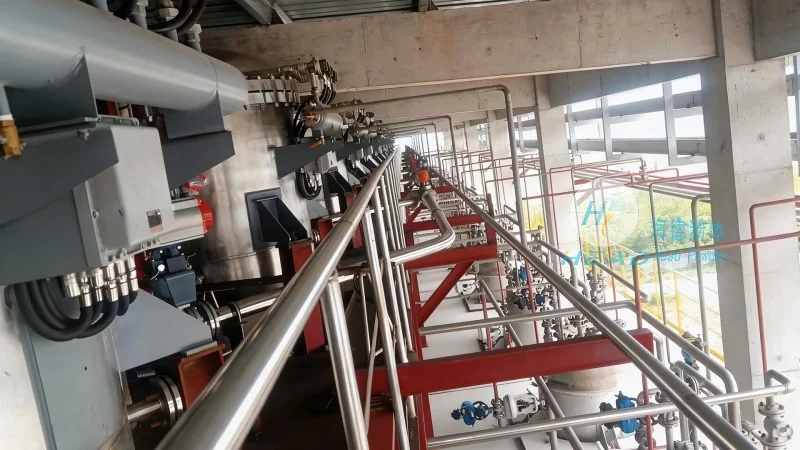
The operation of the zinc oxide powder conveying system is based on the principles of material flow and energy transfer. The process begins with the storage of zinc oxide powder in the hopper. The feeder then controls the discharge rate of the powder into the conveyor. In a pneumatic conveying system, compressed air is used to create a flow that carries the powder particles through a pipeline. The air and powder mixture moves through the system, with the air providing the necessary force to overcome resistance and move the material. The system's design ensures that the air-to-powder ratio is optimized to prevent clogging and maintain a consistent flow. Mechanical conveyors, on the other hand, use rotating screws or belts to physically move the powder. The screw conveyor, for example, has a rotating helical screw that pushes the powder forward, while the belt conveyor uses a moving belt to transport the material. Both systems rely on the principles of gravity and mechanical force to move the powder, with the control panel adjusting the speed and torque to match the material's properties and the system's requirements.
Operation Process: Step-by-Step Overview
The operation of the zinc oxide powder conveying system follows a systematic process that ensures efficient and safe material handling. The steps involved are as follows: First, the hopper is filled with zinc oxide powder, and the system is started by activating the control panel. The feeder then begins to discharge the powder at a controlled rate into the conveyor. The conveyor system then transports the powder to the processing unit, such as a mixer or a reactor. The control panel continuously monitors the system's performance, adjusting the flow rate or air pressure as needed to maintain a stable operation. If any issues arise, such as a blockage or a pressure drop, the control panel triggers an alarm and stops the system to prevent damage or accidents. The system is then manually or automatically cleared, and the operation resumes once the issue is resolved. This step-by-step process ensures that the zinc oxide powder is transferred safely and efficiently from the storage to the processing stage, minimizing downtime and maximizing productivity.
Advantages and Applications
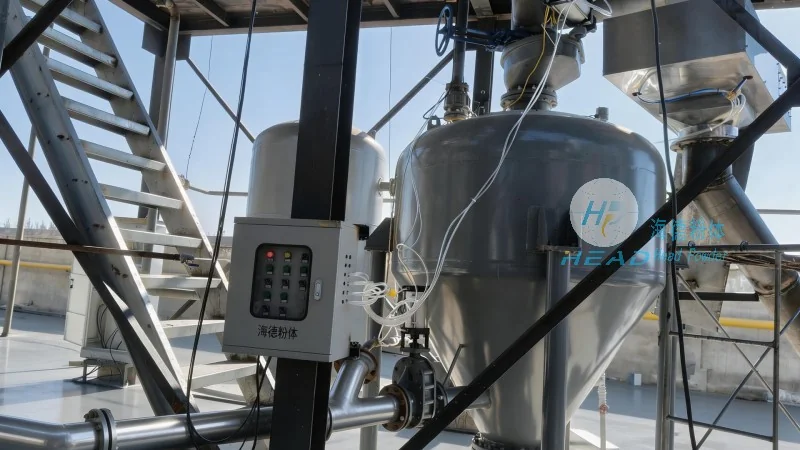
The zinc oxide powder conveying system offers several advantages in industrial applications, making it a preferred choice for handling zinc oxide and other fine powders. Some of the key advantages include high efficiency in material transfer, low maintenance requirements, and the ability to handle large volumes of material. The system is also designed to minimize dust generation and ensure environmental compliance, which is crucial for industrial operations. The applications of this system are widespread, including in the chemical, pharmaceutical, and food industries, where zinc oxide is used as a raw material or an additive. For example, in the chemical industry, the system is used to transport zinc oxide to reactors for the production of zinc compounds. In the pharmaceutical industry, it is used to deliver zinc oxide to mixing and packaging lines for the manufacturing of medications. The system's flexibility and adaptability make it suitable for various industrial settings, from small-scale production to large-scale manufacturing.