

Operation Process and Working Principle of White Clay Powder Conveying System
White clay powder conveying systems are critical components in industrial processes, particularly in the manufacturing and processing of white clay materials. These systems are designed to efficiently transport white clay powder from one location to another, ensuring consistent flow and minimizing material loss or contamination. The operation and working principles of such systems are essential for maintaining productivity and product quality in various industrial applications, as exemplified by systems developed by Shandong HeadPowder Engineering Co., Ltd. (headpowder).
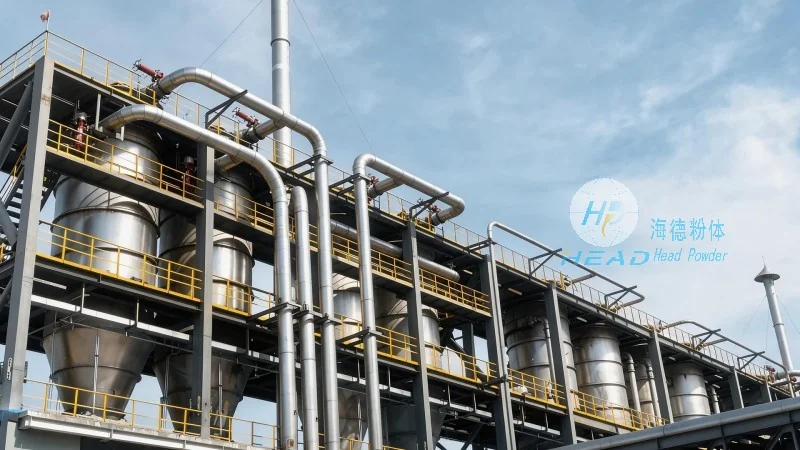
Overview of White Clay Powder Conveying Systems
White clay powder conveying systems are engineered to handle the unique characteristics of white clay, which often includes fine particle sizes, low bulk density, and potential moisture sensitivity. The systems are typically designed with components such as feeders, conveyors, and control mechanisms to ensure reliable and continuous operation. The choice of conveying method depends on factors like the material's properties, the distance to be covered, and the required flow rate. Common types include pneumatic conveying, mechanical screw conveyors, and bucket elevators, each with its own advantages and limitations. These systems are integral to industries that rely on white clay as a raw material, including ceramics, paper, and chemical manufacturing, where efficient material handling directly impacts production efficiency and product consistency.
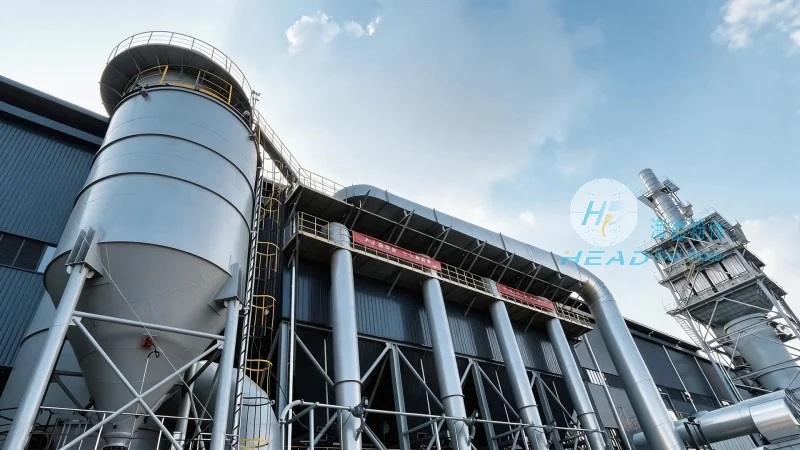
Key Components and Their Functions
The core components of a white clay powder conveying system include the material feeder, which regulates the flow of white clay into the system; the conveyor itself, which transports the material; and the control system, which monitors and adjusts the operation. The feeder is crucial for maintaining a consistent feed rate, preventing blockages, and ensuring uniform material distribution. It may be a rotary valve, screw feeder, or vibratory feeder, each designed to handle the specific characteristics of white clay. The conveyor may be a pneumatic line, where air pressure moves the powder, or a mechanical device like a screw or belt conveyor, which uses mechanical force to move the material. The control system integrates sensors and valves to regulate air pressure, flow rate, and other parameters, ensuring optimal performance. For example, pressure sensors monitor the air pressure in the pipeline, while flow meters track the material's movement, allowing the system to adjust in real-time to maintain consistent operation.
Operation Process of the Conveying System
The operation process of a white clay powder conveying system typically begins with the material being fed into the system from a storage hopper or silo. The feeder then controls the flow rate, ensuring a steady stream of white clay enters the conveyor. In a pneumatic system, the material is mixed with air and transported through a pipeline. The air pressure is carefully controlled to maintain the material's suspension and prevent clogging. As the material travels through the pipeline, it may pass through various sections, including bends, filters, and expansion joints, which are designed to handle the material's properties and maintain system integrity. The conveying process continues until the material reaches the destination point, such as a processing unit or storage container. At the end of the pipeline, the material is separated from the air, often through a cyclone or separator, and collected in the receiving hopper. The control system continuously monitors the entire process, adjusting parameters like air pressure and feed rate to ensure smooth and efficient transport. This dynamic adjustment is critical for handling variations in material feed or system conditions, preventing downtime and ensuring consistent output.
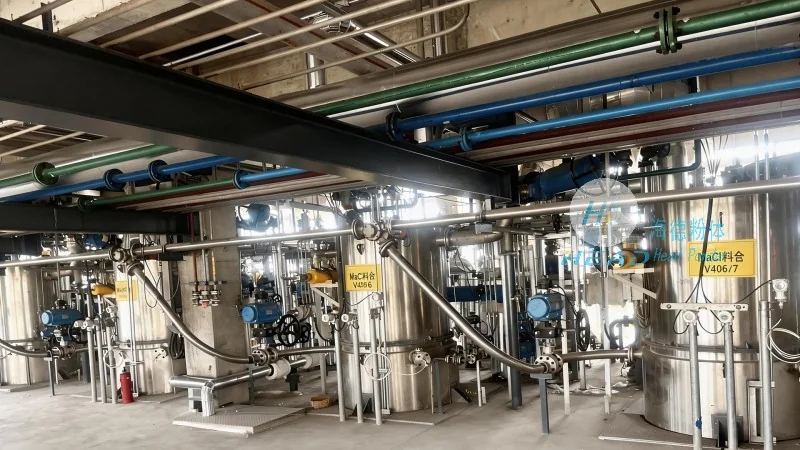
Working Principle of the System
The working principle of a white clay powder conveying system is based on the physical properties of the material and the chosen conveying method. For pneumatic conveying, the system relies on the principle of fluid dynamics, where air is used to move the powder particles. The air pressure is sufficient to lift and transport the fine particles, maintaining them in a suspended state. The velocity of the air and the diameter of the pipeline are critical factors that determine the system's capacity and efficiency. A higher air velocity can handle finer particles but may increase energy consumption, while a larger pipeline diameter reduces friction but requires more air volume. The design of the system balances these factors to achieve optimal performance. In mechanical conveying systems, the principle of mechanical force is applied, where a screw or belt rotates to push the material forward. The design of the screw or belt, including its pitch and speed, is optimized to handle the material's characteristics and ensure smooth transport. For instance, a screw conveyor with a shallow pitch is suitable for handling fine powders to prevent clogging, while a higher speed increases the conveying capacity. The control system plays a vital role in adjusting these parameters in real-time, responding to changes in material flow or system conditions. This adaptability ensures the system operates efficiently under varying conditions, maintaining consistent performance.