

Operation Process and Working Principle of Automatic Continuous Powder Conveying System
Automatic continuous powder conveying systems are critical in modern industrial applications, enabling efficient and reliable material handling for various industries. These systems are designed to transport bulk powders and granules with precision, ensuring consistent flow rates and minimal product degradation. The operation process and working principle of such systems involve several key components and mechanisms that work in tandem to achieve seamless material transfer.
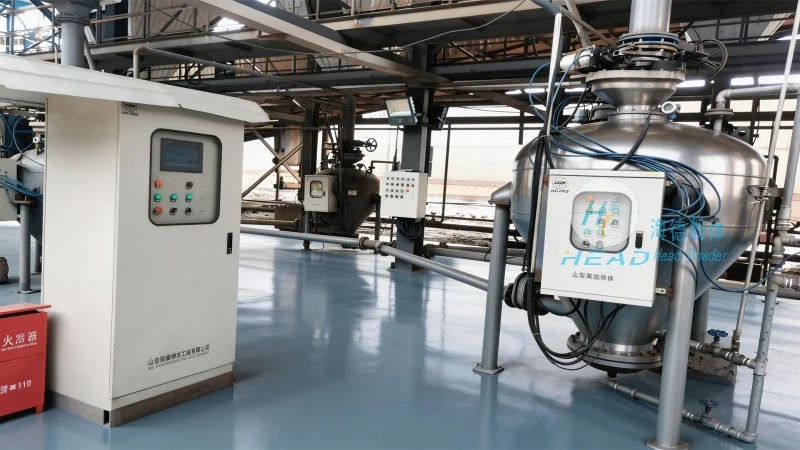
Company Overview: Shandong HeadPowder Engineering Co., Ltd.
HeadPowder, a leading manufacturer in the field, specializes in the design, development, and implementation of advanced powder handling solutions. With a strong focus on innovation and customer-centric approaches, the company has established itself as a trusted partner for businesses seeking efficient and reliable powder conveying systems. HeadPowder's expertise lies in creating customized solutions that meet the unique requirements of different industries, ensuring optimal performance and durability.
Key Components of the Automatic Continuous Powder Conveying System
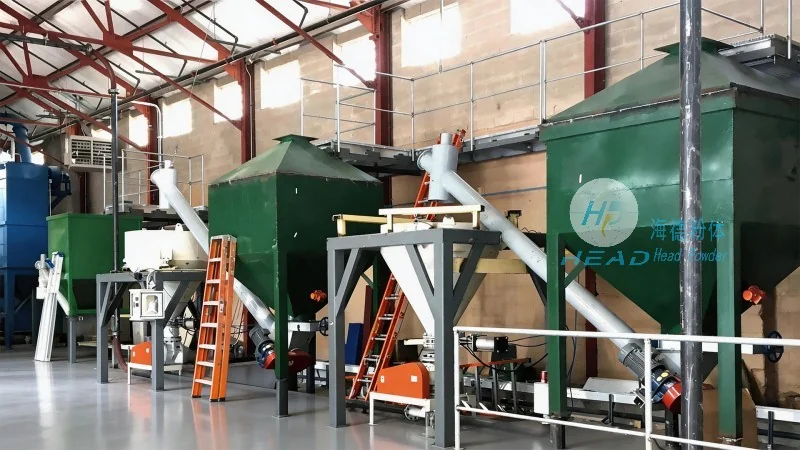
The automatic continuous powder conveying system typically consists of several essential components that work together to facilitate smooth material transfer. These components include a hopper for material storage, a feeder to control the flow rate, a conveyor mechanism (such as a screw or pneumatic system), and a control unit for monitoring and adjusting the process. Each component plays a vital role in maintaining the system's efficiency and reliability.

Operation Process: Step-by-Step Guide
The operation of the automatic continuous powder conveying system follows a systematic process that ensures consistent and uninterrupted material flow. The process begins with the loading of the hopper with the desired powder material. The feeder then regulates the amount of material released into the conveyor system, ensuring a steady flow rate. The conveyor mechanism transports the powder from the hopper to the discharge point, where it is collected for further processing. The control unit continuously monitors the system's performance, adjusting parameters as needed to maintain optimal operation. This step-by-step approach ensures that the system operates efficiently and minimizes downtime.
Working Principle: How the System Functions
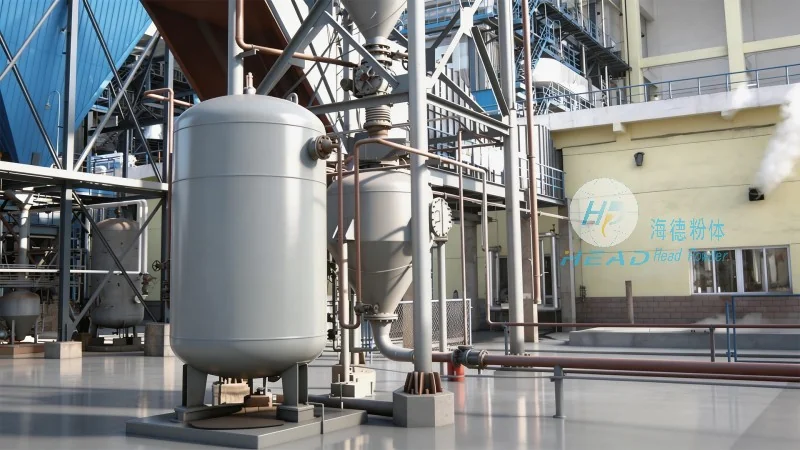
The working principle of the automatic continuous powder conveying system is based on the principles of fluid dynamics and mechanical engineering. The system utilizes either mechanical or pneumatic forces to move the powder material through the conveyor. In mechanical systems, a screw or auger rotates to push the powder forward, while in pneumatic systems, compressed air creates a flow that carries the material. The control unit manages the speed and pressure of the conveyor, ensuring that the material is transported at the desired rate. This integrated approach allows for precise control over the conveying process, minimizing product loss and ensuring consistent quality.
Benefits of Using an Automatic Continuous Powder Conveying System
Implementing an automatic continuous powder conveying system offers numerous benefits for industrial operations. These systems enhance productivity by ensuring continuous material flow, reducing the need for manual intervention and labor. They also improve safety by minimizing human exposure to hazardous materials and reducing the risk of accidents. Additionally, the precise control over flow rates and material handling helps maintain product quality and consistency, which is crucial for meeting regulatory standards and customer expectations. The durability and reliability of these systems also contribute to long-term cost savings by reducing maintenance and replacement costs.
Application in Different Industries
Automatic continuous powder conveying systems are widely used across various industries, including pharmaceuticals, food processing, chemical manufacturing, and mining. In the pharmaceutical industry, these systems are essential for handling sensitive powders, ensuring that the material is transferred without contamination or degradation. In food processing, they help maintain hygiene standards and prevent cross-contamination. In chemical manufacturing, the systems enable efficient handling of reactive or hazardous materials, ensuring safety and compliance. The versatility of these systems makes them suitable for a wide range of applications, catering to the diverse needs of different industries.
Conclusion: The Role of HeadPowder in Providing Efficient Solutions
Automatic continuous powder conveying systems are indispensable in modern industrial settings, providing efficient and reliable material handling solutions. HeadPowder, with its expertise and commitment to quality, offers customized systems that meet the unique requirements of different industries. By understanding the operation process and working principle of these systems, businesses can optimize their material handling processes, enhance productivity, and ensure product quality. The integration of advanced technology and meticulous design in these systems ensures that they deliver consistent performance and long-term value, making them a vital component of modern industrial operations.