

Operation Process and Working Principle of Fly Ash Powder Conveying
Understanding the operation process and working principle of fly ash powder conveying is crucial for optimizing industrial material handling systems, particularly in power plants and waste management facilities. This article provides a detailed overview of the key components, operational steps, and technical aspects involved in the efficient transport of fly ash, a byproduct of coal combustion. By examining the mechanisms and processes, readers can gain insights into how modern conveying systems enhance productivity and safety in handling this fine particulate material.
Introduction to Fly Ash Powder Conveying Systems
Fly ash, also known as pulverized fuel ash, is a fine powder generated during the combustion of coal in thermal power stations. It consists of microscopic particles of silica, alumina, iron oxide, and other minerals. The efficient and reliable transport of fly ash from its source to storage or disposal sites is essential for maintaining operational efficiency and environmental compliance. Conveying systems designed for fly ash powder typically employ pneumatic or mechanical methods, each with distinct advantages and applications. The following sections delve into the operational process and working principles of these systems, highlighting the role of Shandong HeadPowder Engineering Co., Ltd. as a leading provider of advanced conveying solutions.
Key Components of Fly Ash Conveying Systems
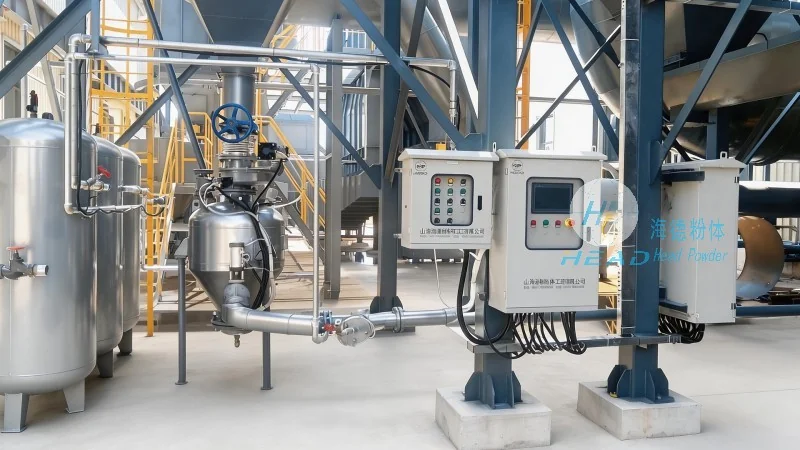
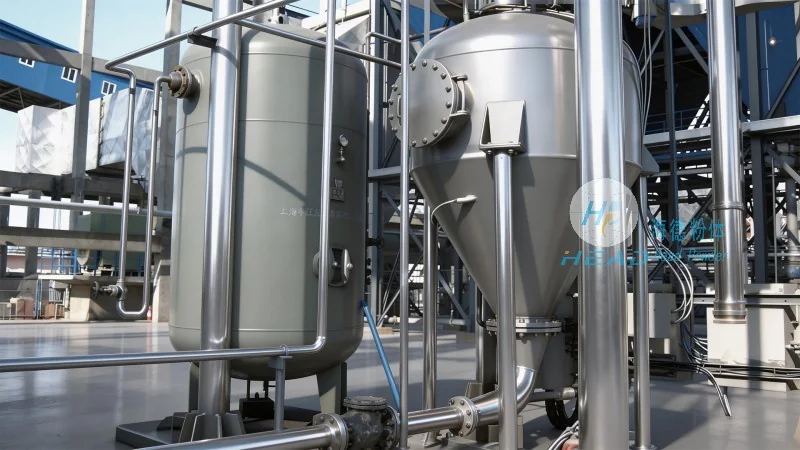
The effectiveness of a fly ash powder conveying system depends on several critical components that work in harmony to ensure smooth material transport. These components include the ash collection hopper, which captures the ash from the boiler, the feeding mechanism (such as a screw feeder or rotary valve) that regulates the flow of ash into the conveying line, the conveying pipeline (often made of stainless steel or special alloys to resist corrosion and abrasion), and the control system that monitors and adjusts the operation. Additionally, dust collection and filtration systems are integrated to prevent air pollution and ensure compliance with environmental regulations. Each component is engineered to withstand the high temperature, abrasive nature, and moisture content of fly ash, ensuring long-term reliability and minimal maintenance.
Operation Process of Fly Ash Powder Conveying
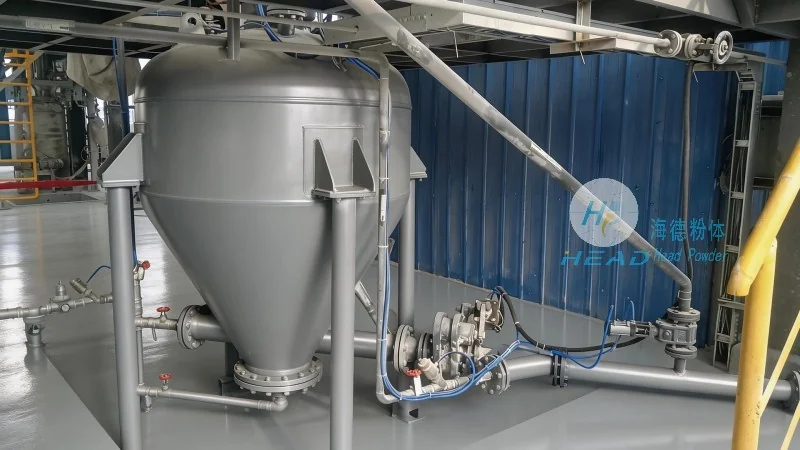
The operation process of a fly ash powder conveying system involves a series of sequential steps that ensure the continuous and safe transport of material. The process begins with the collection of fly ash from the boiler's bottom ash hopper or electrostatic precipitator (ESP) hoppers. The ash is then transferred to the main collection hopper, where it accumulates until it reaches a predetermined level. At this point, the feeding mechanism activates, controlling the flow rate of ash into the conveying pipeline. The ash is then propelled through the pipeline by either positive pressure (in pneumatic systems) or mechanical force (in mechanical systems). In pneumatic systems, compressed air is used to create a flow that carries the ash particles, while mechanical systems utilize screw conveyors or belt conveyors to move the material. The conveying line may include bends, vertical lifts, or horizontal sections, each designed to handle the specific geometry of the system. The material is discharged at the receiving end, typically into a storage silo or disposal container. The control system continuously monitors parameters such as pressure, flow rate, and temperature, adjusting the operation to maintain optimal performance and prevent blockages or overloading.
Working Principle of Fly Ash Conveying Systems
The working principle of fly ash powder conveying systems is based on the physical properties of the material and the chosen conveying method. Pneumatic conveying systems operate on the principle of fluid dynamics, where compressed air creates a flow that transports the ash particles. The air velocity must be sufficient to overcome the gravitational force and frictional resistance of the particles, ensuring they remain suspended and move through the pipeline. The pressure drop along the pipeline is carefully calculated to maintain a stable flow rate. Mechanical conveying systems, on the other hand, rely on the mechanical action of rotating components (such as screws or belts) to move the ash. The design of these components, including the pitch and diameter of screws, the speed of rotation, and the angle of inclination, determines the conveying capacity and efficiency. The working principle also involves the prevention of ash buildup and blockages, which can occur due to moisture, agglomeration, or foreign materials. Anti-caking agents and moisture control measures are often incorporated into the system to maintain the flowability of the ash and ensure smooth operation.
Advantages of Modern Fly Ash Conveying Solutions
Modern fly ash powder conveying systems offer several advantages over traditional methods, including improved efficiency, reduced labor costs, and enhanced safety. Pneumatic systems, for example, allow for the transport of ash over long distances without the need for multiple transfer points, reducing the risk of material spillage and contamination. Mechanical systems provide a more direct and reliable transport method, especially for high-volume applications. Both systems are designed to minimize dust emissions, which is critical for maintaining air quality and protecting personnel. The integration of advanced control systems enables real-time monitoring and automation, allowing operators to optimize the conveying process and respond quickly to any issues. Additionally, the use of corrosion-resistant materials and robust construction ensures that the systems can withstand the harsh conditions of fly ash handling, resulting in longer service life and lower maintenance costs.
Role of Shandong HeadPowder Engineering Co., Ltd. in Fly Ash Conveying
Shandong HeadPowder Engineering Co., Ltd., operating under the brand name headpowder, is a leading manufacturer and supplier of advanced fly ash powder conveying systems. With a strong focus on research and development, the company has developed innovative solutions tailored to the specific needs of power plants and waste management facilities. The company's products include a range of pneumatic and mechanical conveying systems, each designed to handle the unique challenges of fly ash transport. The company's engineering team works closely with clients to understand their operational requirements and provide customized solutions that enhance efficiency and safety. Headpowder's commitment to quality and customer satisfaction has made it a trusted partner in the industry, with installations in numerous power plants across China. The company's facilities are equipped with state-of-the-art manufacturing equipment and rigorous quality control processes, ensuring that each system meets the highest standards of performance and reliability. By leveraging its expertise and experience, headpowder continues to contribute to the advancement of fly ash handling technology and supports the sustainable operation of power generation facilities.
Conclusion and Future Developments
In conclusion, the operation process and working principle of fly ash powder conveying systems are complex but essential for the efficient handling of this fine particulate material. The integration of advanced components, control systems, and material handling technologies has significantly improved the performance and reliability of these systems. As power plants continue to adopt cleaner energy sources and implement stricter environmental regulations, the demand for efficient fly ash conveying solutions will remain high. Future developments in this field may include the integration of smart sensors and artificial intelligence for predictive maintenance, the use of more sustainable materials in pipeline construction, and the development of hybrid systems that combine pneumatic and mechanical conveying methods. These advancements will further enhance the efficiency and sustainability of fly ash handling, contributing to the overall environmental and economic benefits of power generation. For organizations seeking reliable and efficient fly ash conveying solutions, Shandong HeadPowder Engineering Co., Ltd. stands as a leading provider, offering cutting-edge technology and expert support to meet the evolving needs of the industry.