

Operation Process and Working Principle of Sand and Soil Powder Conveying
HeadPowder, a leading engineering company based in Shandong, China, specializes in the design, manufacturing, and implementation of advanced powder conveying systems. This article provides a detailed overview of the operation process and working principles of sand and soil powder conveying systems, which are crucial for efficient material handling in various industrial applications.
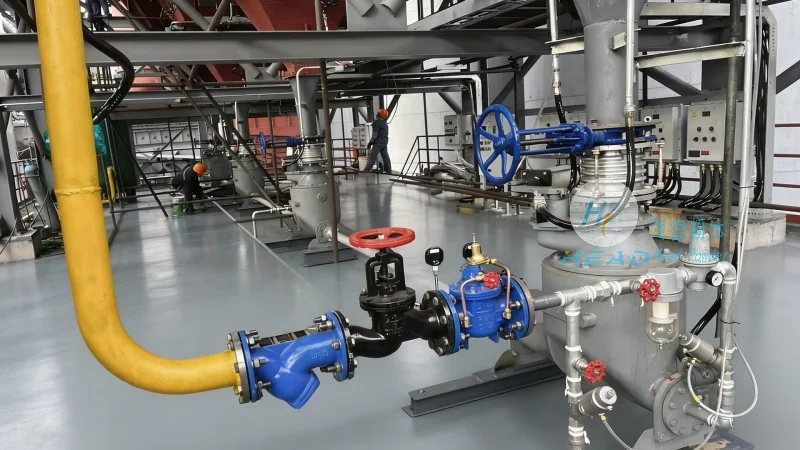
Introduction to Sand and Soil Powder Conveying Systems
Sand and soil powder conveying systems are essential for transporting loose bulk materials like sand, soil, and other fine powders over long distances with minimal loss and high efficiency. These systems are widely used in construction, mining, and environmental remediation industries, where reliable material transport is critical for project success. The technology behind these systems combines mechanical components and control mechanisms to ensure smooth and continuous operation, reducing downtime and operational costs.
Key Components of a Sand and Soil Powder Conveying System
A typical sand and soil powder conveying system consists of several key components that work in tandem to achieve effective material transport. These components include the hopper for material storage, the conveyor mechanism (such as screw conveyors or pneumatic pipelines), the drive system, and the control panel. Each component plays a vital role in the overall operation, ensuring that the material is fed, transported, and discharged accurately. The hopper is designed to hold a sufficient quantity of material, while the conveyor mechanism transfers the material from the hopper to the discharge point. The drive system provides the necessary power to move the material, and the control panel allows operators to monitor and adjust the system parameters as needed.
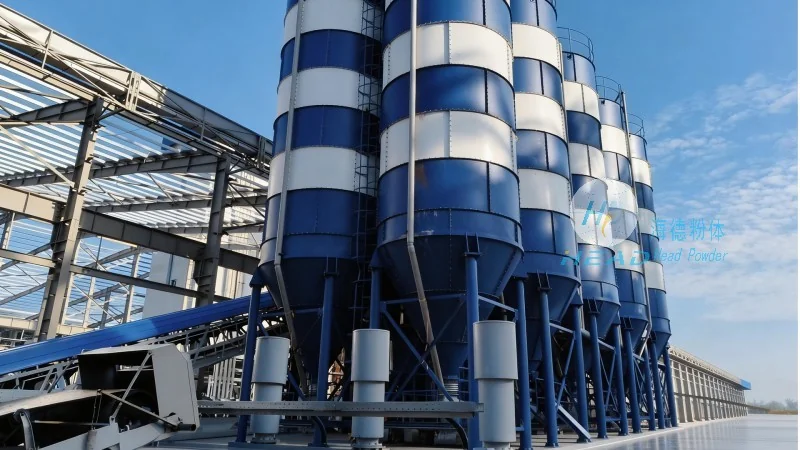
Working Principle of the Conveying Process
The working principle of sand and soil powder conveying systems is based on the principles of fluidization and mechanical movement. In pneumatic conveying systems, for example, compressed air is used to create a flow of air and material through a pipeline. The air pressure and velocity are carefully controlled to ensure that the material is transported without clogging or degradation. In mechanical conveying systems, such as screw conveyors, the rotating screw blade pushes the material forward, similar to an auger. The speed and rotation of the screw are adjusted to match the material's flow characteristics, preventing blockages and ensuring consistent transport.
Operation Process: Step-by-Step Guide
The operation process of a sand and soil powder conveying system involves several sequential steps that ensure smooth and efficient material handling. The first step is material loading into the hopper, where the bulk material is stored until it is needed. Once the material is loaded, the system is started, and the conveyor mechanism begins to transport the material. The control panel monitors the system's performance, adjusting the speed and pressure as required to maintain optimal flow. During operation, the material is continuously fed from the hopper into the conveyor, and the system maintains a steady flow rate. At the discharge point, the material is collected and used for the intended application. The entire process is automated to a large extent, reducing the need for manual intervention and minimizing the risk of errors.

Advantages of Using Sand and Soil Powder Conveying Systems
Implementing sand and soil powder conveying systems offers several advantages over traditional material handling methods. These systems are highly efficient, capable of transporting large quantities of material over long distances with minimal energy consumption. They also reduce material loss and contamination, as the enclosed system prevents dust and debris from escaping. Additionally, these systems are flexible and can be customized to suit specific project requirements, making them suitable for a wide range of applications. The use of advanced control systems ensures that the operation is safe and reliable, with real-time monitoring and alerts for any issues that may arise.
Applications in Different Industries
Sand and soil powder conveying systems are used in various industries, each with specific requirements for material transport. In the construction industry, these systems are used to transport sand and soil for building foundations and road construction. In mining operations, they are used to move ore and other minerals from the mine to processing facilities. In environmental remediation, they are used to transport contaminated soil for treatment and disposal. Each application benefits from the efficient and reliable operation of the conveying system, which ensures that materials are handled safely and effectively.
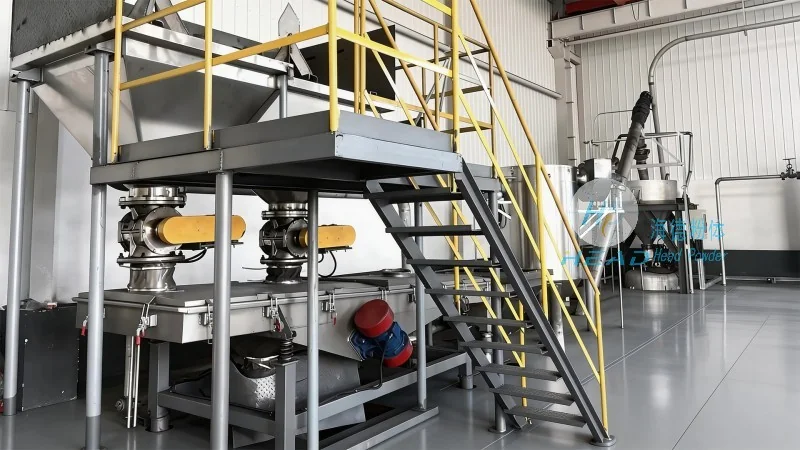
Maintenance and Troubleshooting
To ensure the long-term performance of sand and soil powder conveying systems, regular maintenance is essential. This includes checking the conveyor components for wear and tear, cleaning the system to prevent clogging, and inspecting the control panel for any issues. Regular maintenance helps to prevent breakdowns and extends the lifespan of the equipment. In case of troubleshooting, common issues such as clogging or low material flow can be addressed by adjusting the system parameters or cleaning the components. The control panel provides real-time data on the system's performance, allowing operators to identify and resolve issues quickly.
Conclusion
Sand and soil powder conveying systems are critical components in modern industrial operations, providing efficient and reliable material transport for various applications. The operation process and working principles of these systems are designed to maximize efficiency and minimize downtime, making them a valuable investment for companies in the construction, mining, and environmental industries. With proper maintenance and operation, these systems can deliver consistent performance, ensuring that material handling tasks are completed safely and effectively.