

Principle and Working Scene Characteristics of Pea Material Pneumatic Conveying Equipment
Pea material pneumatic conveying equipment is a critical component in agricultural processing, specifically designed for the efficient handling and transportation of pea seeds and related agricultural products. This technology plays a vital role in enhancing operational efficiency and maintaining product integrity throughout the material handling process. The following sections will delve into the fundamental principles governing this equipment and explore the distinct characteristics of its application scenarios.
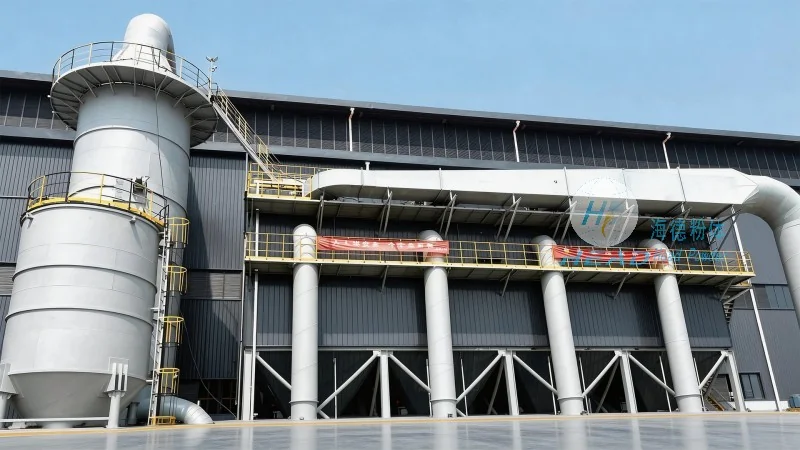
Introduction to Pea Material Pneumatic Conveying Systems
Pneumatic conveying systems for pea materials utilize compressed air as the primary medium to transport granular or powdery agricultural products through a sealed pipeline network. Unlike traditional mechanical conveyors that rely on physical contact and moving parts, pneumatic systems employ air pressure or vacuum to move materials without direct contact, offering advantages such as reduced product damage, lower contamination risk, and the ability to transport materials over extended distances with minimal maintenance. These systems are particularly well-suited for delicate or fragile materials like pea seeds, which require gentle handling to preserve their quality and prevent breakage.
The Core Working Principle of Pneumatic Conveying for Pea Seeds
The fundamental principle behind pneumatic conveying for pea materials involves creating a pressure differential within the conveying system. Compressed air is introduced into the pipeline, generating a flow that either pushes or pulls the pea seeds along the line. Two primary system types are commonly used: pressure systems and vacuum systems. In pressure systems, air is pumped into the line at a higher pressure than the ambient environment, forcing the material to move forward. Vacuum systems utilize a vacuum pump to create a low-pressure zone that draws the material into the pipeline. For pea seeds, a specialized design often combines elements of both systems or uses a tailored approach to optimize performance based on the material's specific properties, such as density, moisture content, and particle size.
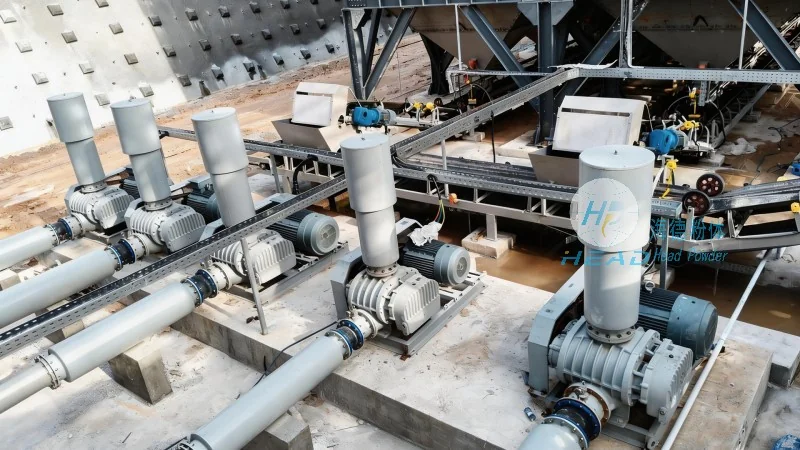
Key Components and Their Functions in Pea Material Conveying
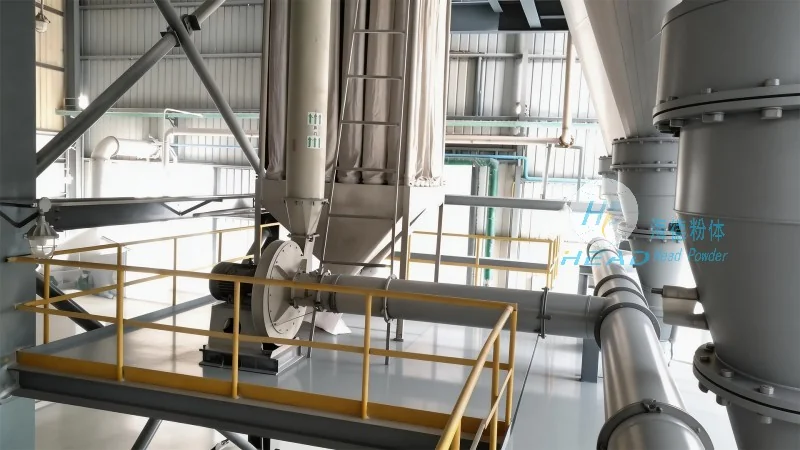
Effective pneumatic conveying systems for pea materials consist of several essential components that work in coordination to ensure reliable operation. These include the air compressor or vacuum pump, which provides the necessary pressure or vacuum to drive the material; the conveying pipeline, typically constructed from durable materials like stainless steel or PVC to withstand the abrasive nature of pea seeds and ensure long-term durability; material feeders, which control the flow rate of pea seeds into the system to maintain consistent performance; and separation or discharge equipment, which removes the pea material from the air stream at the end of the pipeline. Additional components like filters and cyclones are employed to separate the pea seeds from the air, ensuring that the system operates efficiently and that the material remains clean and free from contaminants. Each component is carefully selected and designed to meet the specific demands of pea material handling, contributing to the overall system's effectiveness.
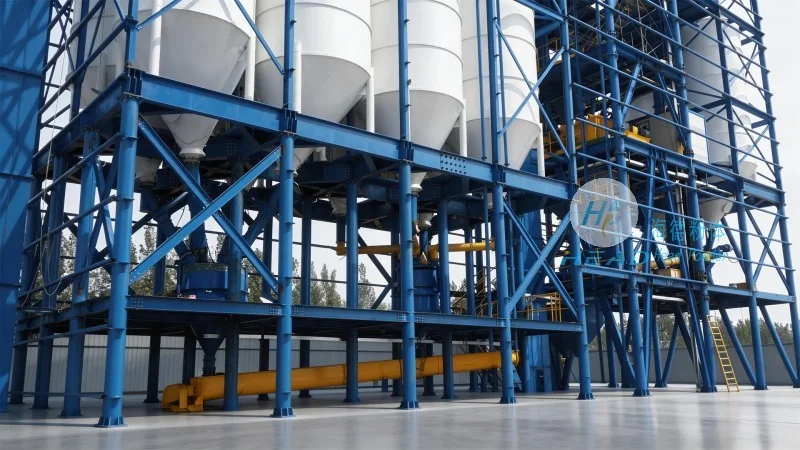
Application Scenarios and Operational Characteristics
The working scene characteristics of pea material pneumatic conveying equipment are shaped by the diverse needs of agricultural and industrial operations. These systems are widely used in on-farm storage and processing facilities, where pea seeds are moved from storage bins to processing lines or packaging stations. They are also integral to industrial pea processing plants, where large volumes of pea seeds are handled for further processing into products like pea flour, pea protein, or canned peas. The operational characteristics of these systems include high throughput rates, which can range from several tons per hour to tens of tons per hour, depending on the system design and the volume of pea material being transported. Additionally, pneumatic conveying systems are known for their adaptability to materials with varying moisture content and particle sizes, making them suitable for different stages of pea processing, from raw seed handling to finished product packaging.
Advantages and Practical Considerations
When evaluating the use of pea material pneumatic conveying equipment, several key advantages and practical considerations emerge. The primary advantages include improved material handling efficiency, reduced labor costs, and enhanced product quality due to the gentle handling of pea seeds. However, there are also important considerations such as the initial investment cost of the equipment, the need for regular maintenance to ensure consistent performance, and the energy consumption associated with operating the air compressor or vacuum pump. Furthermore, the design of the system must account for factors like the specific properties of the pea material, including its density, moisture content, and particle size distribution, to prevent operational issues such as blockages or inefficient material transport. Proper system sizing and configuration are critical to achieving optimal performance and minimizing downtime.
Conclusion
In conclusion, pea material pneumatic conveying equipment represents a sophisticated and efficient solution for handling and transporting pea seeds and other agricultural products. By leveraging the principles of air pressure and vacuum, these systems offer a reliable and effective method for moving materials in both agricultural and industrial settings. The working scene characteristics of such equipment are tailored to the specific requirements of pea processing operations, providing high throughput rates and gentle handling of delicate materials. As a leading provider in this field, Shandong HeadPowder Engineering Co., Ltd. specializes in designing and manufacturing pneumatic conveying systems that meet the unique needs of pea material handling, ensuring optimal performance, reliability, and product quality for agricultural operations. This technology continues to be a vital tool in modern pea processing, supporting the efficient and sustainable handling of agricultural products from farm to market.